The Great Ocean Road that runs along the southeast coast of Australia is more than just a beautiful drive. For photographers, it is an ultimate photo Melbourne tour destination because of its stunning landscapes which have rugged coastlines, dramatic rock formations and serene waterfalls. It will take you through the top photography hotspots for capturing all levels of panoramic beauty down to intimate details within this historic route’s natural splendour.
Contents
- 1 Why Photography Hotspots are Important Along the Great Ocean Road
- 2 Locations Worth Photographing
- 2.1 Hopetoun Falls: A Cascade of Beauty
- 2.2 Step Back in Time at Gibson’s Steps
- 2.3 Majestic Views at Twelve Apostles
- 2.4 Bells Beach: Catching the Waves
- 2.5 Aireys Inlet and Split Point Lighthouse
- 2.6 Lorne’s Teddies Lookout
- 2.7 Cape Otway Lightstation: Covering the story
- 2.8 Apollo Bay: Coastal Serenity
- 2.9 Triplet Falls’ Symphony of Nature
- 2.10 Loch Ard Gorge: Dramatic History
- 2.11 Best Times to Visit for Optimal Photography
- 2.12 Photography Tips for Aspiring Photographers on the Great Ocean Road
- 3 Conclusion
- 3.1 FAQs
- 3.2 When is the best time of year to visit The Great Ocean Road for photography?
- 3.3 Can I do aerial photography using drones along the Great Ocean Road?
- 3.4 What are important things to carry while doing photography on The Great Ocean Road?
- 3.5 Are there professional photo tours available on The Great Ocean Road?
- 3.6 How can I be safe when shooting in remote parts along The Great Ocean Road?
Why Photography Hotspots are Important Along the Great Ocean Road
Photographers from across the globe are attracted to the diverse and dramatic scenes on offer along the Great Ocean Road that not only provide a visual treat but also serve as great subjects for photography. Each spot along this road, from the iconic Twelve Apostles to hidden gems like Hopetoun Falls, has unique features that can turn any ordinary photograph into an astonishing piece of art. The significance of these spots lies not just in their beauty but also in their ability to capture the very essence of Australia’s incredible coastline.
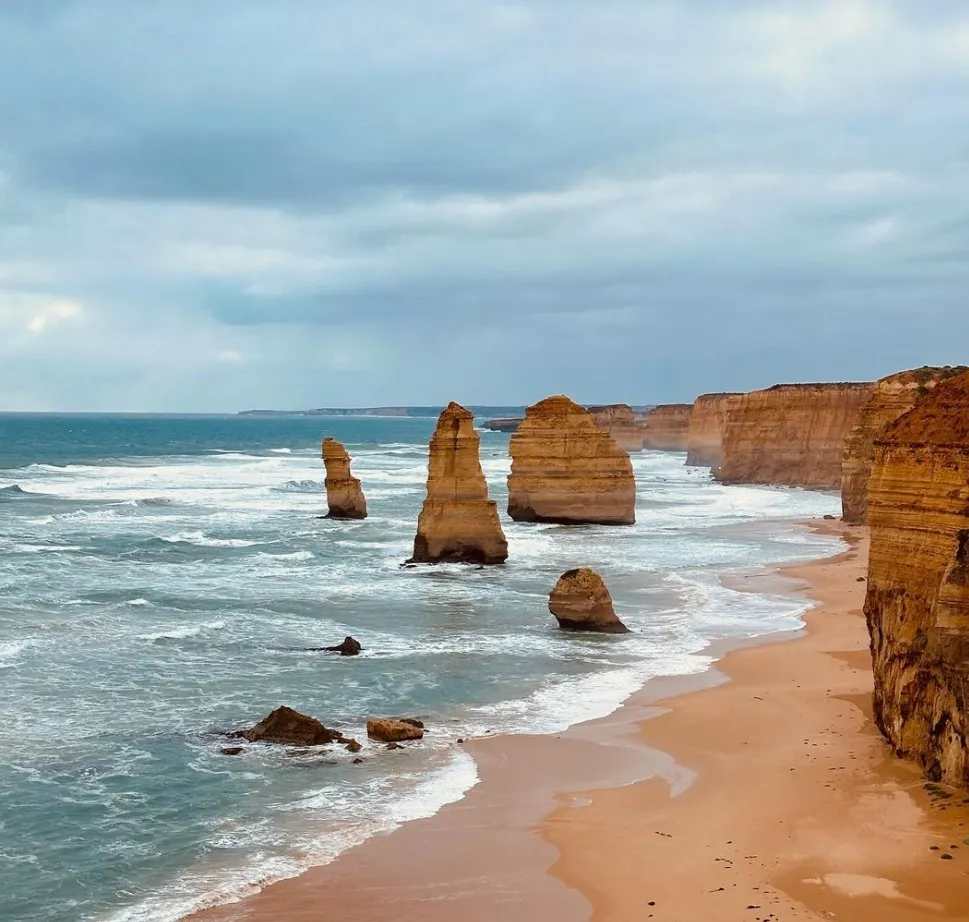
Great Ocean Road Coastline Features that Make it Unique
This coastline stands out with a variety of features that are as diverse as they are spectacular. This provides numerous photographic opportunities, with sheer cliffs, expansive beaches, and historical landmarks all contributing to it. The ruggedness and natural beauty of its coast sharply contrast with soft, pristine beaches, thereby making it an active landscape perfect for visual exploration.
Rock Formations Worth Shooting
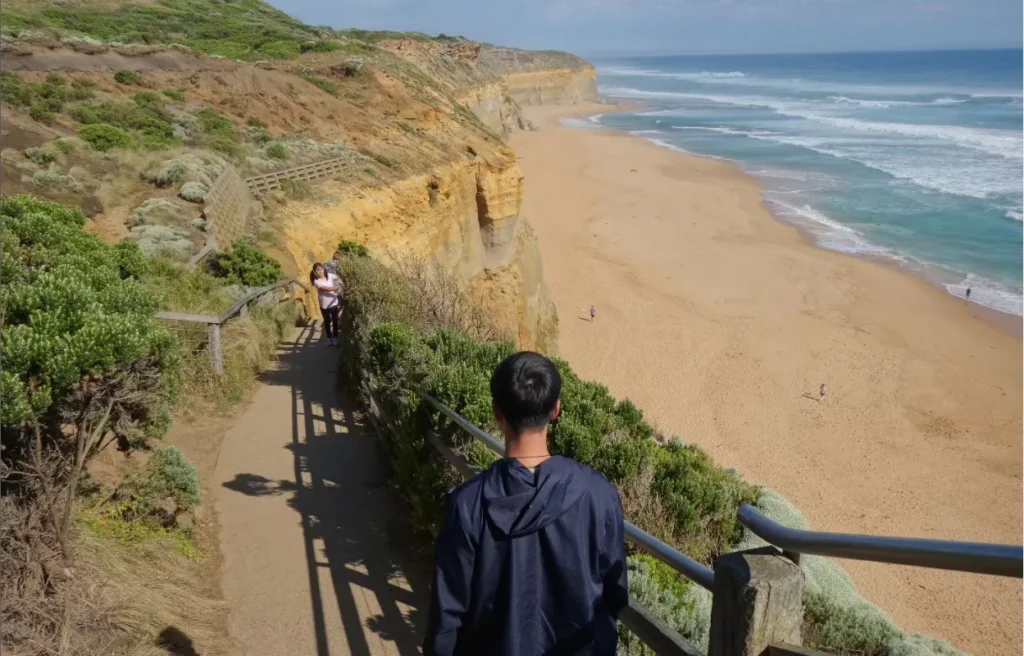
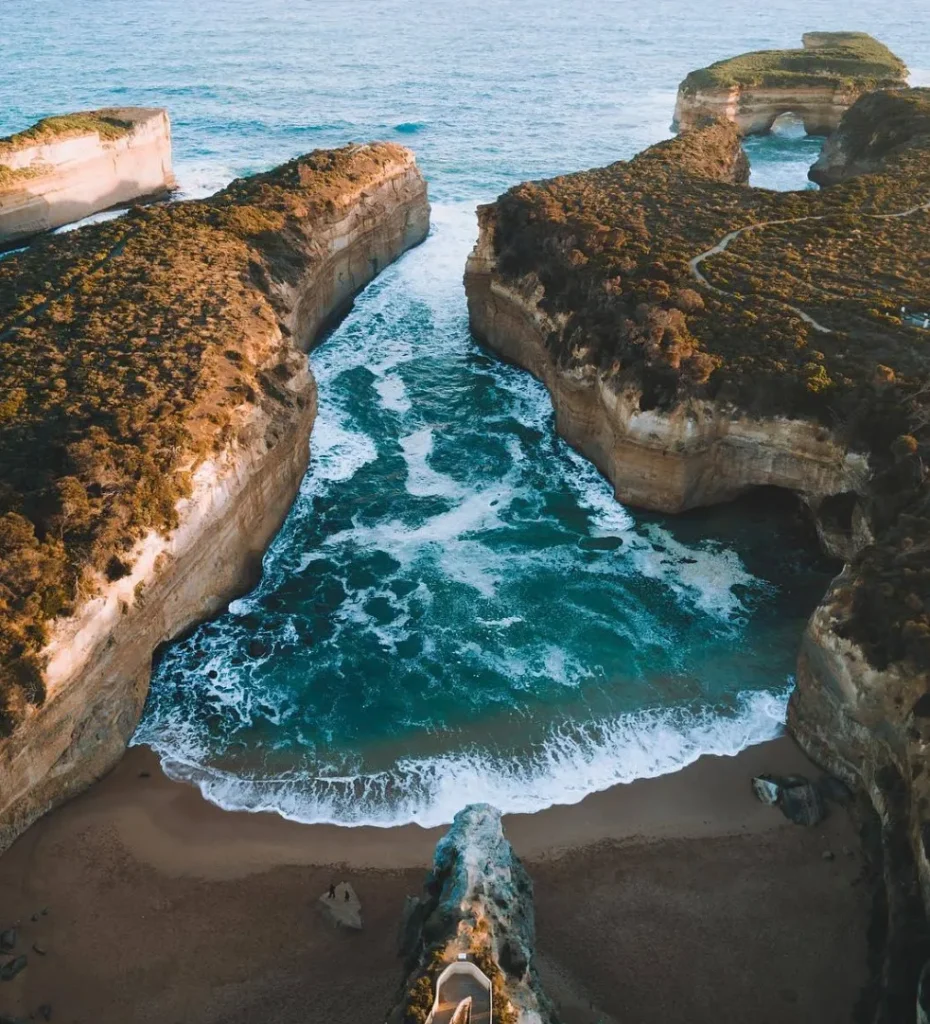
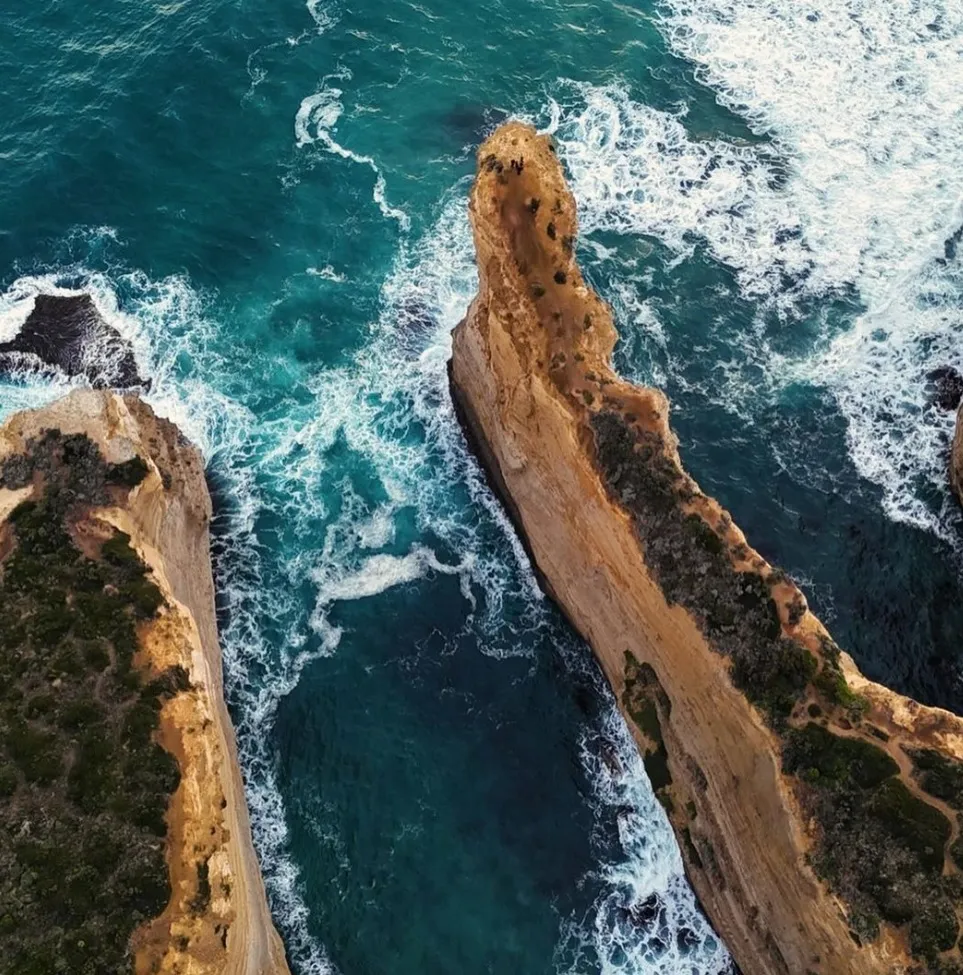
Amongst the most photographed subjects in this region are its amazing rock formations. These wonders carved by unyielding forces stand as testaments to time itself.These include areas such as Loch Ard Gorge famous Twelve Apostles and lesser known Gibson’s Steps.Geological marvels can be found at these three sites which demonstrate how much difference there time makes at different times during the day.
Beaches and Other Scenic Spots
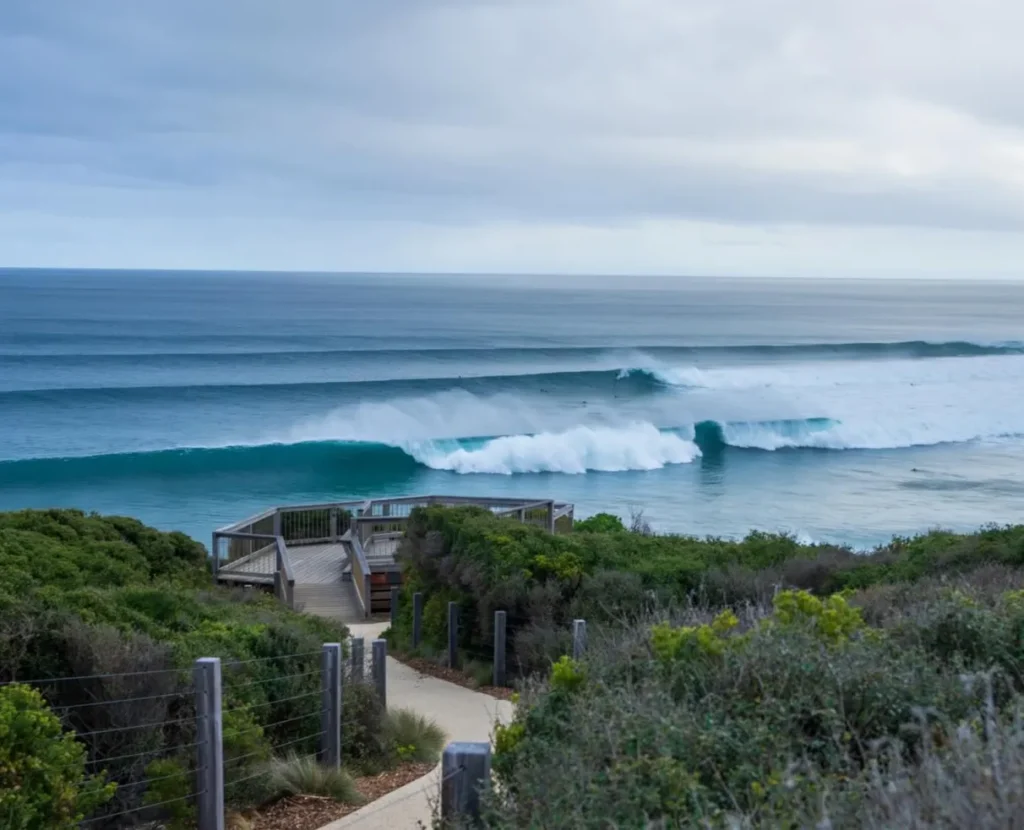
The beaches dottingthe Great Ocean Roadare every bit as varied as its landscapes themselves. Bells Beach has big waves, while Apollo Bay has a calm surface that reflects. There is more to these places than just capturing the surf culture and laid-back beach life; hence, it is an opportunity to try out various shutter speeds and polarizing filters for bringing out the deep blues and greens of the sea.
Locations Worth Photographing
Hopetoun Falls: A Cascade of Beauty
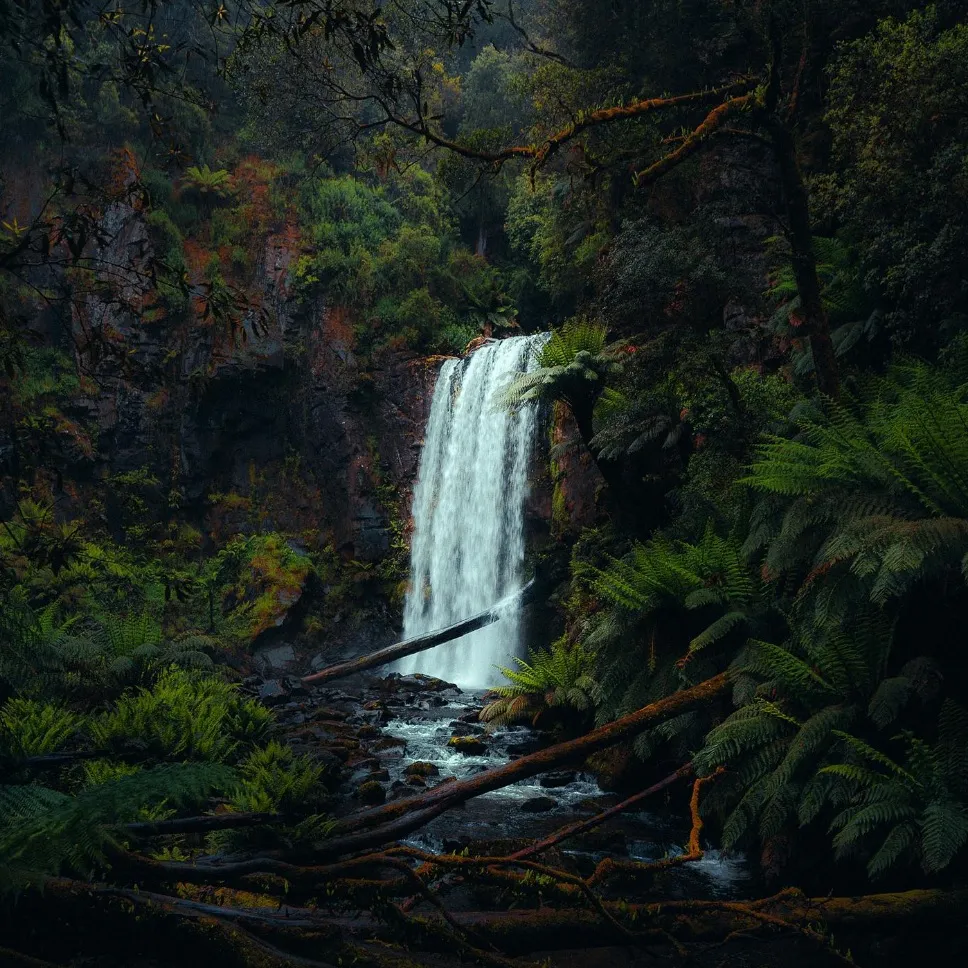
Nestled in Otway National Park, Hopetoun Falls acts as a perfect example where forest meets water in spectacular fashion. The cascades provide a tranquil hideaway and are great for using neutral-density filters to capture the silky flow of water amidst verdant foliage. Different perspectives allow photographers to experiment with different compositions.
Step Back in Time at Gibson’s Steps
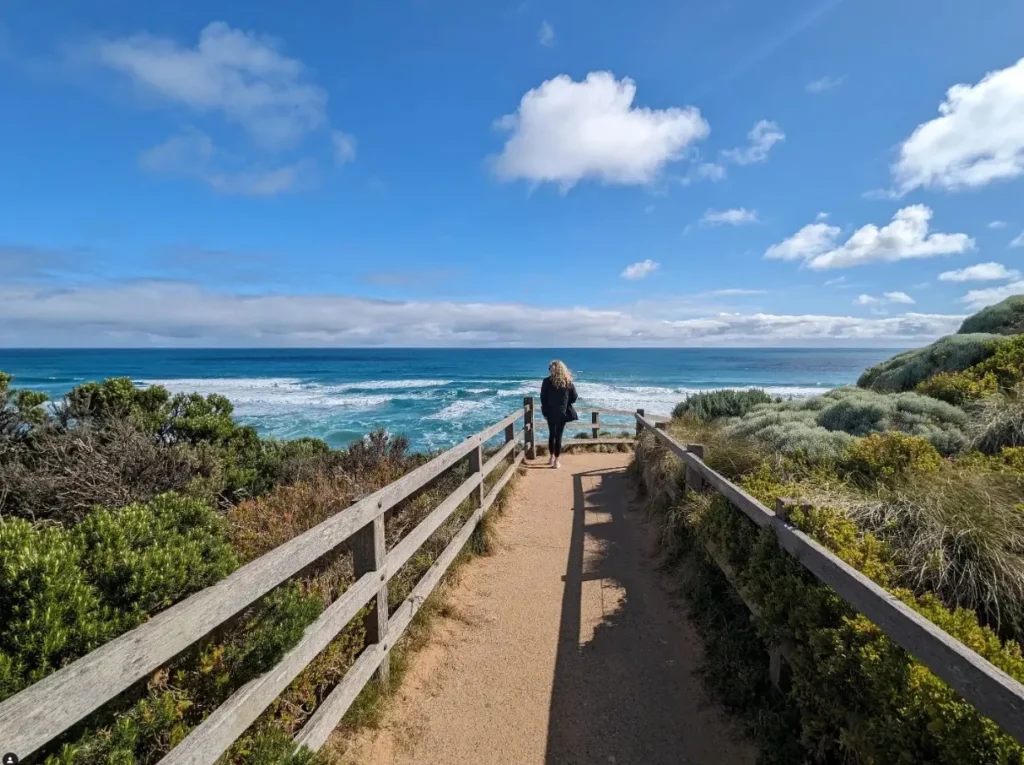
The location is ideal for photographing prehistoric cliffs that border its shore as it can be accessed via an ancient staircase cut along the cliff side. This offers an overwhelming sense of scale by juxtaposing the sheer magnitude of cliffs against wide-open waters that are difficult to find anywhere else on Earth. In addition to offering incredible landscapes, Gibson’s Steps is also a time travel since it reveals glimpses into the geological past of this area.
Majestic Views at Twelve Apostles
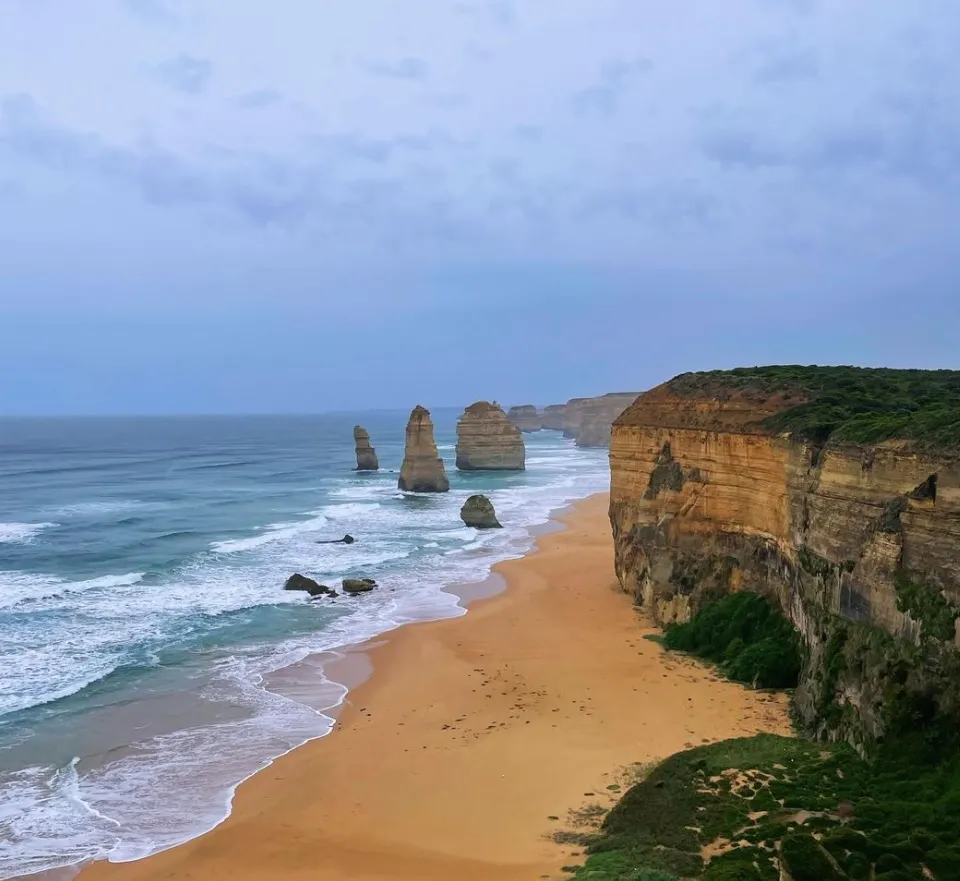
Perhaps the most famous sights along Great Ocean Road are the Twelve Apostles. Golden hours for taking pictures of these huge limestone structures are sunrise and sunset when the light from them turns golden and they stand out against the background of Southern Ocean.
Bells Beach: Catching the Waves

Many know Bells Beach for its surfing, however, it offers amazing landscape shots because surfers on this beach make its scenery more lively. Fast shutter speeds can be used by photographers to freeze wave motion while slow ones will help individuals capture smooth water flow in crashing waves.
Aireys Inlet and Split Point Lighthouse
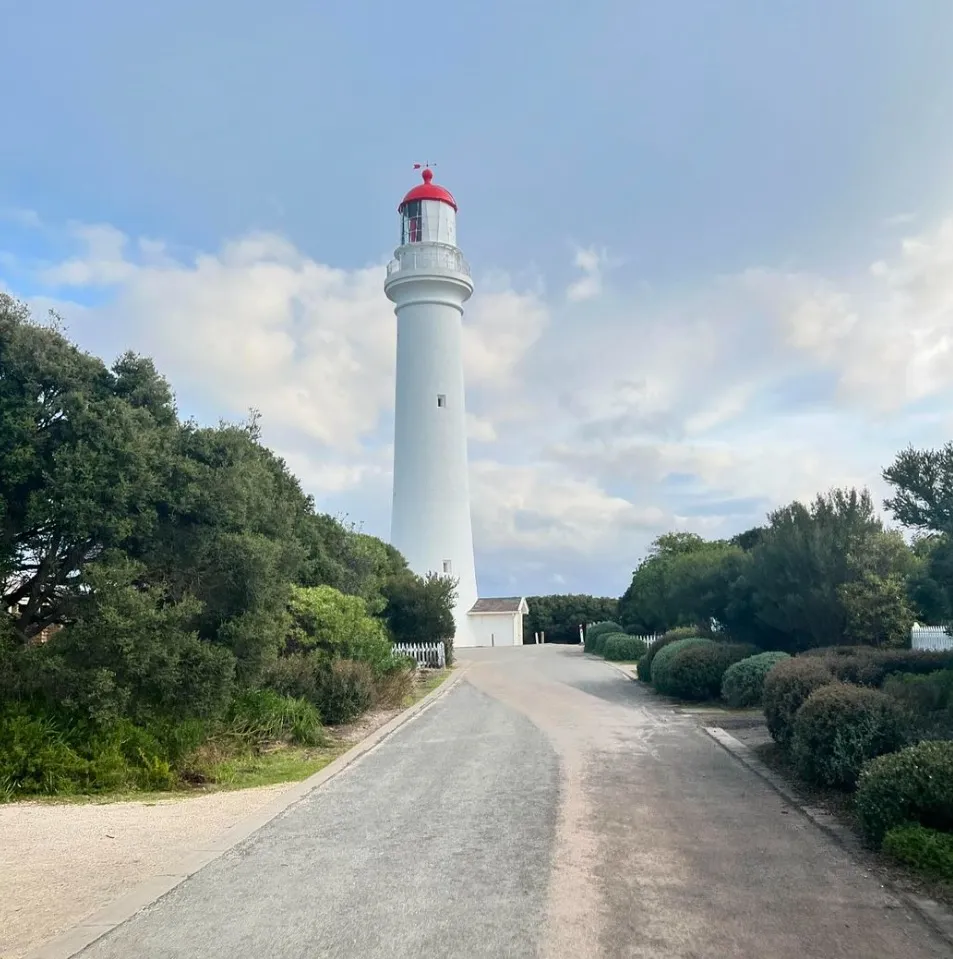
Firmly set in a beautifully skyward setting, Split Point Lighthouse stands alone as a picturesque spot to take photos. Blue hour photography is seen as an ideal approach for photographing this lighthouse due to dwindling natural lighting, which produces a great blend with its illuminated beacon. Combining architectural beauty with natural landscape makes it interesting both ways, which explains why it is preferred by both landscape and architectural photographers.
Lorne’s Teddies Lookout
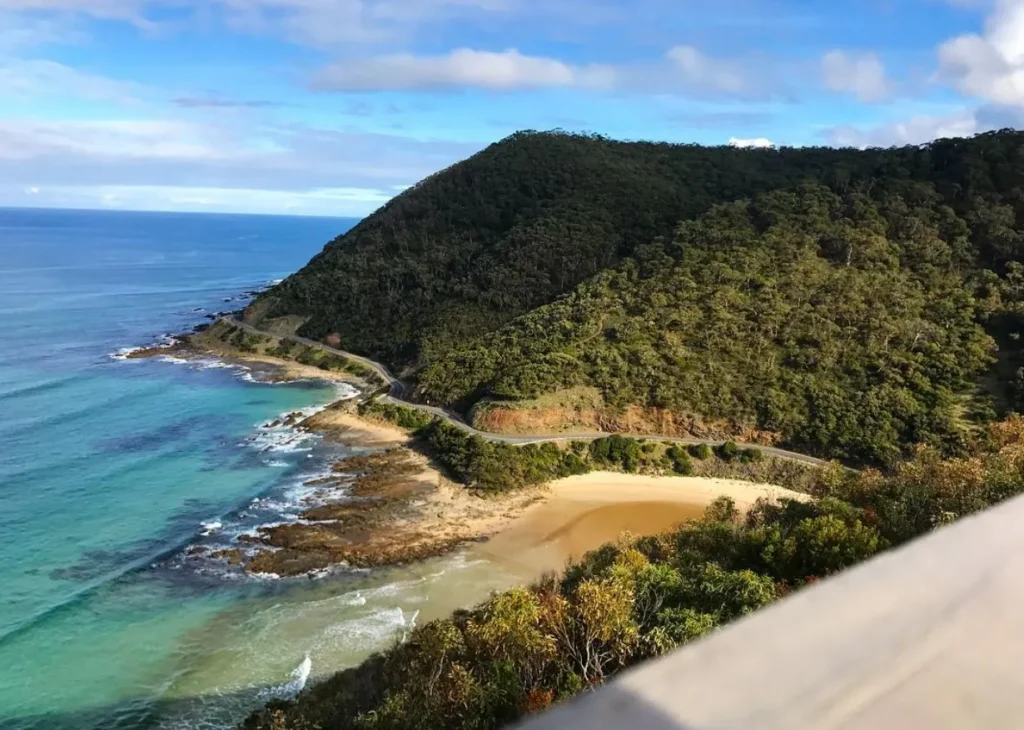
Teddies Lookout offers panoramic views of the winding road alongside lush forests that extend down to the ocean. This place is particularly beautiful during sunset or sunrise, as light creates long shadows on the warm glow area, creating dramatic landscapes.
Cape Otway Lightstation: Covering the story
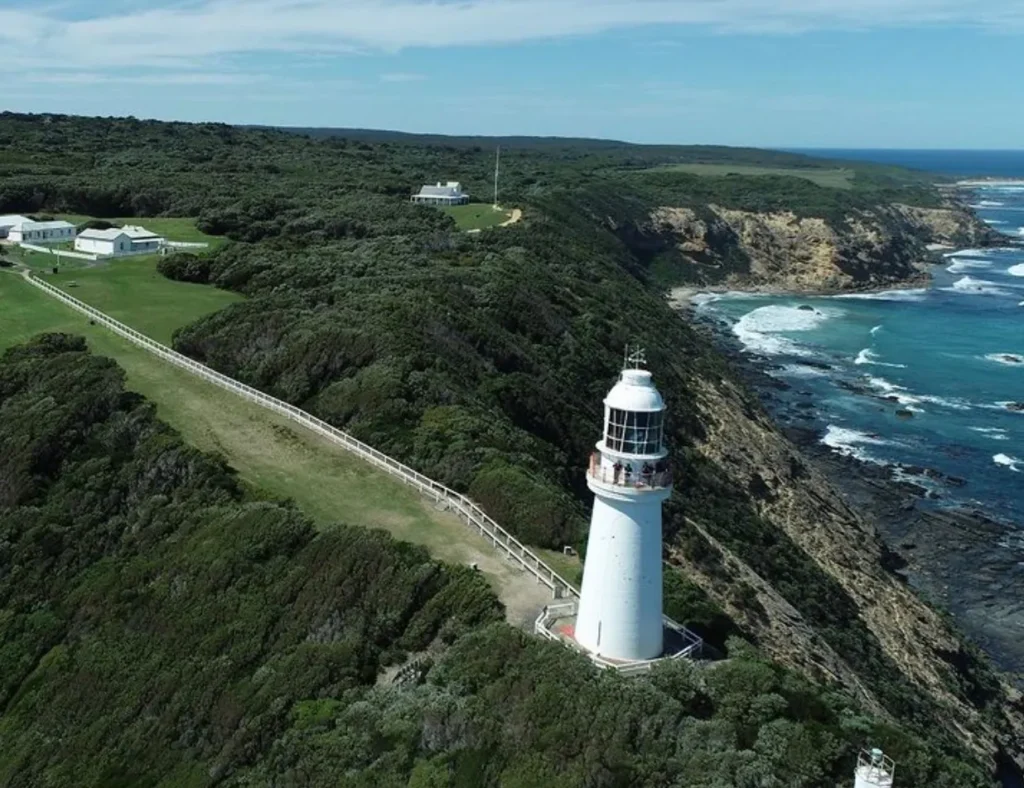
Photographically significant Cape Otway Lightstation is Australia’s oldest surviving lighthouse, which is something that has made it an appropriate subject for many photos of history and coastal scenery. Different photographic opportunities exist here, ranging from close-ups of detailed architectural elements of this building to wide scenic views over the Shipwreck Coast. Depending on their aims, photographers may use different times of the day, such as sunrise (soft diffused lighting brings out the texture in stone) or sunset (provides intense coloured backdrops). The surrounding area has a lot of vegetation and is a habitat for many indigenous animals, which means wildlife and landscape photography can also be done there. Using a wide-angle lens in this area allows the photographer to capture both the vastness of the landscape and, at the same time, the lighthouse’s grandeur.
Apollo Bay: Coastal Serenity
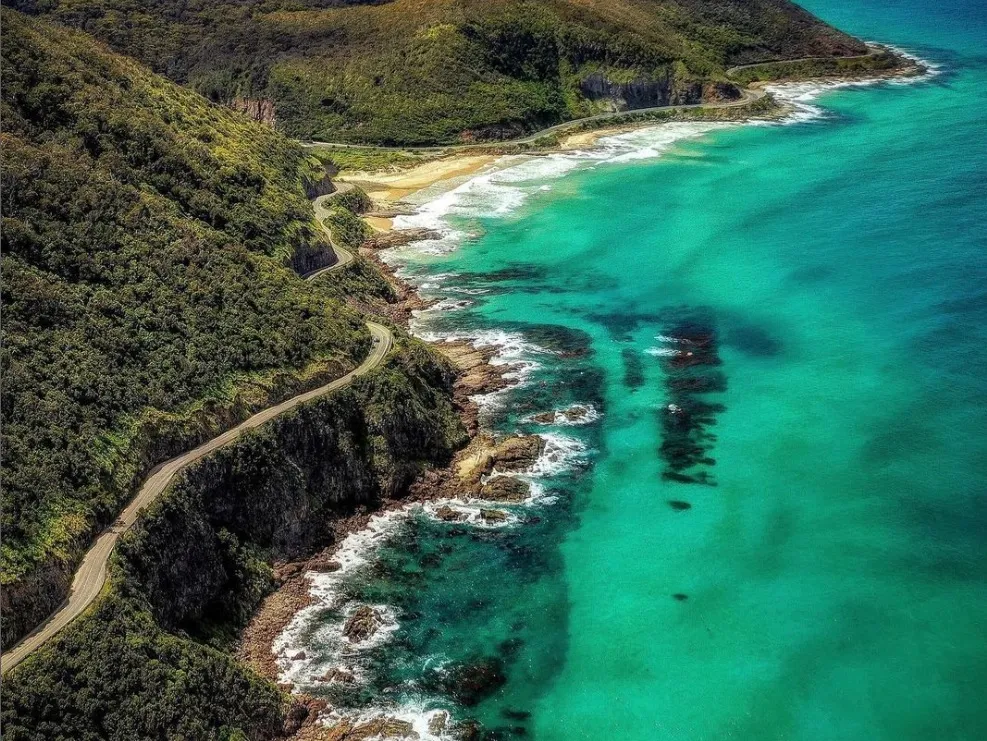
Apollo Bay offers some respite from the wilder terrains on The Great Ocean Road. This picturesque region, ideal for seascapes and landscapes, has a crescent-shaped bay with rolling hills surrounding it. The beachfront is, therefore, good for photographers who want to take images of everyday life as well as local fishing boats with Otway ranges in the background. Sunsets are spectacular here when the sun dips below the hills, turning the sky into deep shades of orange or pink. With long exposure techniques, one could get smooth water and some cloud movement, hence peaceful and dreamy-looking shots. However, what makes Apollo Bay truly special is its tight-knit community where residents are proud of their culture and businesses flourish, but nature remains dominant in this coastal town where one doesn’t feel like an outsider when he starts taking shots that tell stories about real life around him.
Triplet Falls’ Symphony of Nature
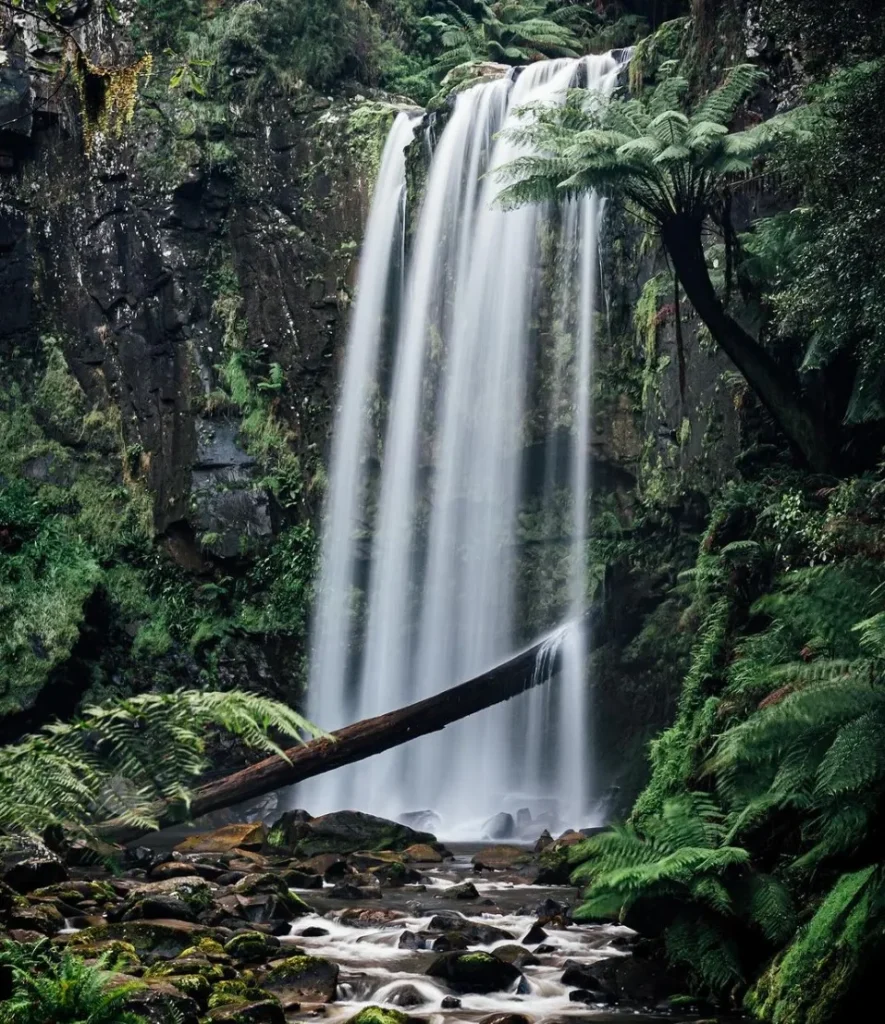
Triplet Falls is one of the most breathtaking waterfalls on the Great Ocean Road, nestled amidst ancient rainforests in a setting that encompasses three cascading falls. This creates an ideal environment for photographers to experiment with different exposure techniques since it stays cool and damp all year through. Set against a backdrop of tranquil moss-covered rocks, water descending from Triple Falls provides natural compositions that make great photos. The surrounding forest contains numerous details that are available to anyone interested in macro photography, including different types of ferns and birds. It is possible to approach the falls from multiple angles, making it a favourite place for many photographers who want to experiment with both wide shots encompassing the entire breadth of the waterfall and narrower ones capturing the finer points of moving water and plants.
Loch Ard Gorge: Dramatic History
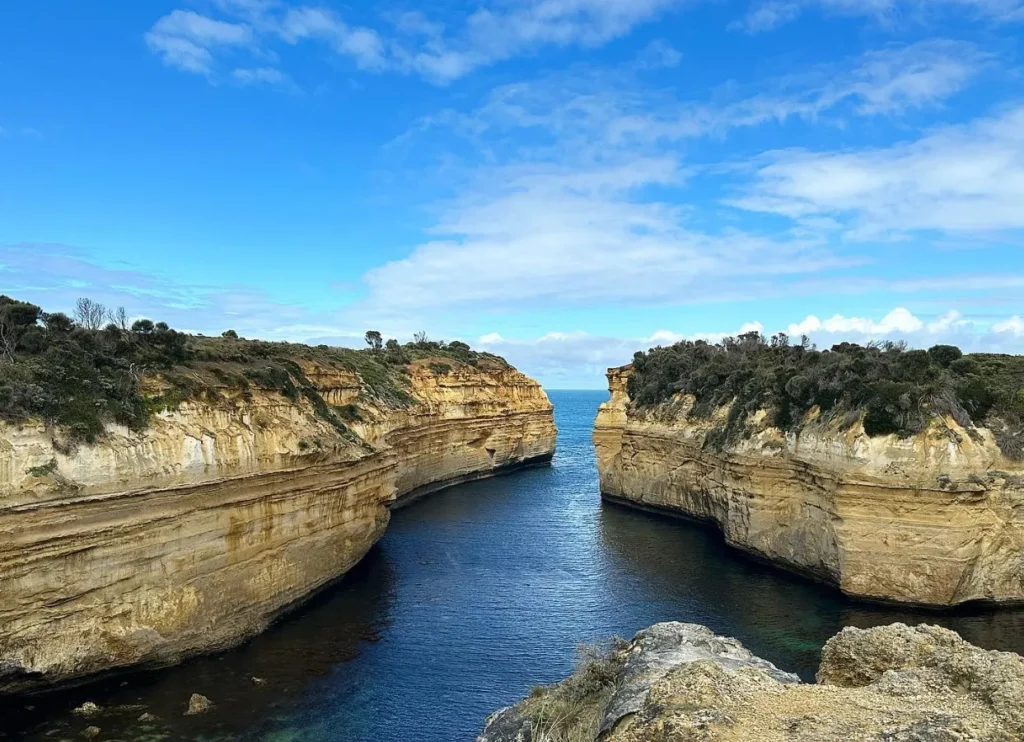
A combination of history and aesthetic beauty makes Loch Ard Gorge a unique site, named after its shipwreck – Loch Ard. The gorge is very photogenic due to its steep cliffs and transparent turquoise waters. The narrow opening allows sunlight rays at early dawn or late dusk into Loch Ard Gorges, which often makes light and shade particularly impressive there. Photographers can also focus their cameras on huge waves striking the cliffs or take shots when seawater is calm thereby creating some peaceful moments. More than just interesting photographs to show nature’s power, these images tell sad stories that are buried within landscapes. From various tops, one can see this dramatic location in quite different ways while standing on top of nearby cliffs.
Best Times to Visit for Optimal Photography
The quality of images produced by visiting these sites at peak seasons cannot be compared with those taken otherwise because each specific spot along Great Ocean road has its own magnetism but sometimes, during the time or even season, can raise them up higher:
- The Golden Hour: Photography works best when done during this period which comes immediately after sunrise or just before sunset; it simply casts a golden glow and long shadows across the surface of landscapes.
- The Blue Hour: This is the best time to capture mystical feeling in beach and landscape shots. The light is soft, diffused, and has a cool blue tone that adds an element of mystery to these kinds of photos.
Photography Tips for Aspiring Photographers on the Great Ocean Road
When one goes to photograph the stunning scenery found along the Great Ocean Road, there are several things that can help capture that perfect shot:
- Be Aware Of Weather Changes: Depending on your location or eventime of day, you need to be alert about weather conditions because coastal climate is very unpredictable. By so doing you may be able to experience severe weather events which will make your images not only emotive but also effective.
- Experiment with Composition: Do not stick to what you are used to. Always be ready to explore new angles and viewpoints when taking photographs at some iconic spots along this road.
- Be Gear-wise: For example, polarizing filters reduce reflections as well as increase saturated colours especially in weathers where everything is wet or on sunny days. When shooting waterfalls under bright conditions or trying different exposures such as silky smooth water effects neutral density filters are necessary.
Conclusion
In terms of photography, the Great Ocean Road is a veritable paradise as it provides countless opportunities for a photographer. From precipitous cliffs and spectacular views of the sea to calm cascades and historical lighthouses, each setting comes with its own challenges and rewards. In this respect, appreciating the correlation between light, weather, and terrain is fundamental to taking stunning shots here. Correct preparation, along with originality, can enable photographers to bring back not just images but stories about one of Australia’s most iconic landscapes.
FAQs
When is the best time of year to visit The Great Ocean Road for photography?
The best period is around autumn and spring when there are mild temperatures and good lighting conditions for photography. Also, these seasons provide colourful foliage and wildflowers that add beauty to natural scenes.
Can I do aerial photography using drones along the Great Ocean Road?
Yes but within CASA regulations, flying drone cameras are permitted hence observe no-fly zones mostly over inhabited areas or landmarks.
What are important things to carry while doing photography on The Great Ocean Road?
DSLR/Mirrorless camera, sturdy tripod stand, different lenses (wide angle & telephoto), polarizing/neutral density filters, extra batteries & memory cards? Also wear comfortable clothes plus carry all-weather gear too.
Are there professional photo tours available on The Great Ocean Road?
Yes there are several companies which offer guided photo Great Ocean Tour from Melbourne providing insights into capturing the perfect shots of nature in the locality making such trips helpful for photographers regardless of their expertise level.
How can I be safe when shooting in remote parts along The Great Ocean Road?
Always check weather forecasts prior to travelling anywhere; inform someone about your intentions; stay on designated trails and know tide timings besides the ocean situation. Bring essential safety equipment, such as a first-aid kit, together with the communication device.