Europe, a mosaic of history, culture, and natural beauty, attracts tourists from around the globe. If you seek to wander through its cobblestone streets and revel in its timeless art and architecture minus the hustle and bustle, planning your visit strategically can make all the difference. Generally, the late autumn and early spring months serve as the sweet spot for avoiding crowds. The main topic of this article is to guide you through the nuanced timing across Europe’s regions to ensure you discover its charm in peace.
Contents
Understanding Europe’s Tourist Seasons
High Season
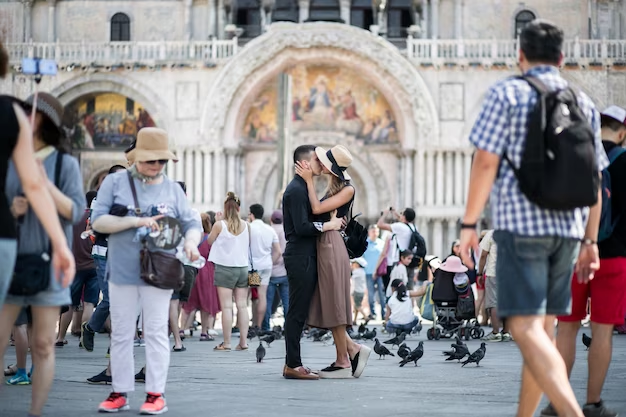
High season, spanning from late June to August, is when Europe buzzes with energy. Travelers flock to cities like Paris, Rome, and Barcelona, taking advantage of the beautiful weather. However, with popularity comes overcrowding, inflated prices, and fully booked accommodations. Attractions are often so crowded that it might take hours to enter, and the experience once inside can be less rewarding amid the throngs of tourists.
Shoulder Seasons
The months that hug either side of the high season – typically April to early June, and September to October – are known as the shoulder seasons. These periods offer a golden middle ground, featuring milder weather, fewer tourists, and often lower prices. The added bonus of the shoulder season is that many cultural events and outdoor activities are still in full swing, providing an enriching travel experience without the high season’s drawbacks.
Low Season
Venturing to Europe during the low season, November through March, can be attractive for those who crave solitude and serenity. The streets and sites reclaim their local flavor, and you could find yourself wandering through museums with no one else in sight. But be prepared for shorter days, chillier weather, and in some instances, closures or limited hours at attractions. Christmas markets in December, however, are a notable exception drawing visitors in droves during this generally quiet period.
| Season | Pros | Cons |
|---|---|---|
| High Season | Sunny weather, long days | Crowds, high prices, long waits |
| Shoulder Season | Moderate crowds, pleasant weather | Occasional unpredictability of weather |
| Low Season | Few crowds, authentic experience | Cold weather, shorter days, some closures |
Country-Specific Recommendations
Western Europe
Exploring Western Europe’s urban marvels like Paris, Amsterdam, and Berlin is best from late September to October when the autumn leaves frame historic buildings in hues of gold and crimson. This time avoids the summer rush as well as the chilly winter that can hamper your sightseeing plans.
Eastern Europe
Eastern Europe, wrapped in a distinct charm, sees fewer tourists throughout the year compared to its western counterpart. For a pleasant balance of moderate weather and thinner crowds, aim for May or early September. Cities like Prague and Budapest are particularly enchanting as they transition through seasons.
Northern Europe
Nordic countries such as Norway, Sweden, and Finland are spectacular when they revel in the long days of their brief summer. However, to avoid summer crowds in these regions, opt for late spring—around May when the days start lengthening. Or choose late August when summer tourism wanes, but the daylight remains generous. The Northern Lights are a winter draw, but come prepared for cold temperatures and packed winter resorts, especially during February.
Southern Europe
The Mediterranean allure of Southern Europe is undeniable. Regions like the south of France, Italy’s Amalfi coast, and the Greek islands can be oppressively crowded in summer. To catch these areas with fewer people but good weather, aim for April to early June or September to October when the sea is still warm enough for swimming but the beach crowds have dissipated.
Events and Festivals
Europe’s calendar is packed with festivals and events which can significantly affect crowd levels. Being aware of these can help you plan a more tranquil trip.
- Popular events to avoid include the Running of the Bulls in Spain in July, the Edinburgh Festival Fringe in August, and Oktoberfest in Germany, which actually begins in late September. While these events are bucket-list experiences for some, they guarantee packed cities and challenged logistics for visitors not attending them.
- Lesser-known local festivals, like the Batalla del Vino in Spain in June or the Carnival of Venice in February, offer unique experiences with significantly smaller crowds than their more famous counterparts.
Tips for Planning Your Visit
Crafting the ideal European vacation necessitates thoughtful planning, especially if you’re keen to avoid the congestion of peak seasons. Here are a few tips to keep in mind:
- Be flexible with your travel dates. By being open to visiting less popular times, you can savor Europe’s charms more freely.
- Don’t overlook the allure of smaller towns and rural areas, which can offer a more relaxed and genuine cultural experience even during busier months. Exploring these off-the-beaten-path destinations can also provide relief from the tourist masses that swarm the cities.
Conclusion
Finding that perfect time to visit Europe when the crowds are sparse can transform a good vacation into an unforgettable one. As you’ve seen, the ideal time can vary greatly depending on where you want to go and what you want to do. Shoulder seasons, with their balance of weather and lower tourist numbers, generally offer the best opportunity to explore Europe at your own pace. The key is in the planning—anticipate local events, stay flexible, and be ready to embrace the unique vibe of each season.

FAQs
- When is the best time to travel to Europe if I want good weather but fewer crowds?
Aim for the shoulder seasons, typically April to June or September to October, for the best combination of pleasant weather and thinner crowds. - Is it possible to visit Europe’s top cities without facing overwhelming crowds?
Yes, it’s possible to explore Europe’s major cities during less crowded times. Try visiting in early spring or late fall to avoid peak tourism. - Are certain countries in Europe less crowded throughout the year?
Eastern European countries tend to have fewer tourists than Western Europe. Consider destinations like Bulgaria, Romania, or Poland for a less crowded experience. - How can I find out about local festivals to avoid crowds?
Researching online, consulting travel guides, and reaching out to local tourism boards can help you find out about festivals and plan your trip accordingly. - Can I still enjoy major tourist attractions without the crowds during off-peak months?
Yes. Major attractions typically have shorter wait times and can be enjoyed more peacefully during off-peak months, although hours of operation may be reduced.