New York, Sydney, Tokyo. We know for sure that at least one of these cities is on your must-see list of dream destinations. Together with Obolon, a flavor appreciated in 55 countries around the world, we will take a virtual journey through the dream cities: travelers, journalists, and adventurers will talk about their experience of exploring each of these cities, about expectations and reality – and about what makes a city unique. In the first issue, Ukrainian journalist Julia Davidenko realized his dream of visiting the other side of the world – Australia – and tells why Sydney is a city definitely worth getting to, the top places to see and what makes Sydney Sydney.
Contents
Why Sydney?
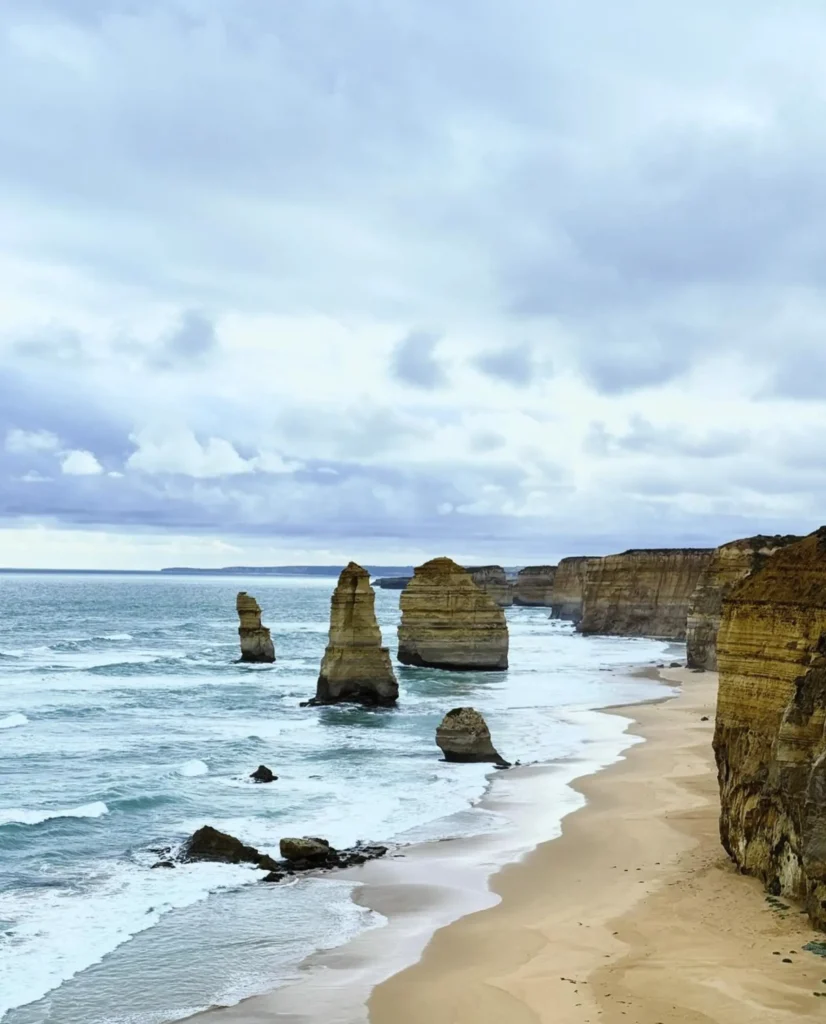
It’s probably going to seem strange, but my original plan for traveling to Australia didn’t include Sydney. There was Melbourne, on the Great Ocean Road tour, Victoria’s scenic national parks and socializing with close friends who live there. But when Melburnians one after another made round eyes and repeated, ‘What, you’re not planning to go to Sydney?!’, we gave up. You have to realize that Sydney and Melbourne are the ‘Kyiv’ and ‘Odessa’ of Australia. Melburnians unanimously state, ‘Sydney is certainly not even half as good as Melbourne’. And they add: ‘But it’s still worth going there.’ I’m sure Sydney people would say the same about Melbourne.
So, in the second week of my four-week trip around Australia, a trip to Sydney went from a hypothetical ‘well, maybe next time’ to a tangible ‘oh crap, I should have booked tickets in advance’.
Pretty much all of my days in Australia were very tightly scheduled. There was only one weekend left to visit Sydney, and it was the last one. On Friday night we planned to fly to Sydney, look at the Opera House and sit in a bar, walk around the city all weekend until we fell down, and on Sunday evening fly back to Melbourne. And on Monday afternoon I was due to fly back to Ukraine. It was a good plan.
Things went wrong on Friday night at Melbourne airport. ‘Melbourne-Sydney is one of the busiest air destinations in the world. There are dozens of flights a day, and the company we were flying with owns probably a third of them. But it was our flight that was canceled. After two hours in a queue of similarly flightless people, we became the ‘lucky’ ticket holders for Saturday morning. Now I was looking forward to four days of flying in a row, and somewhere in the background was the thought: ‘How will I catch a plane to Ukraine if the return flight is also postponed?’. To which my Aussie friend said: ‘No worries, we’ll rent a car and drive back by car. It’ll be fun. Bloody expensive, but fun.’ 862 kilometers.
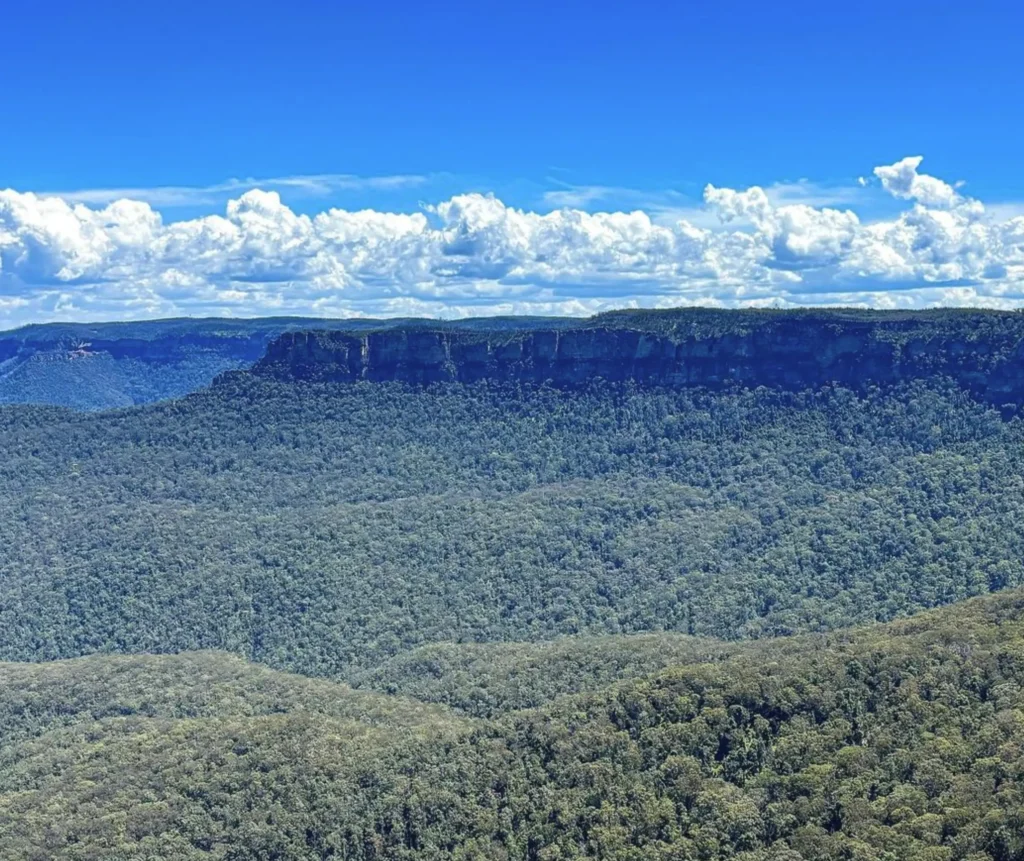
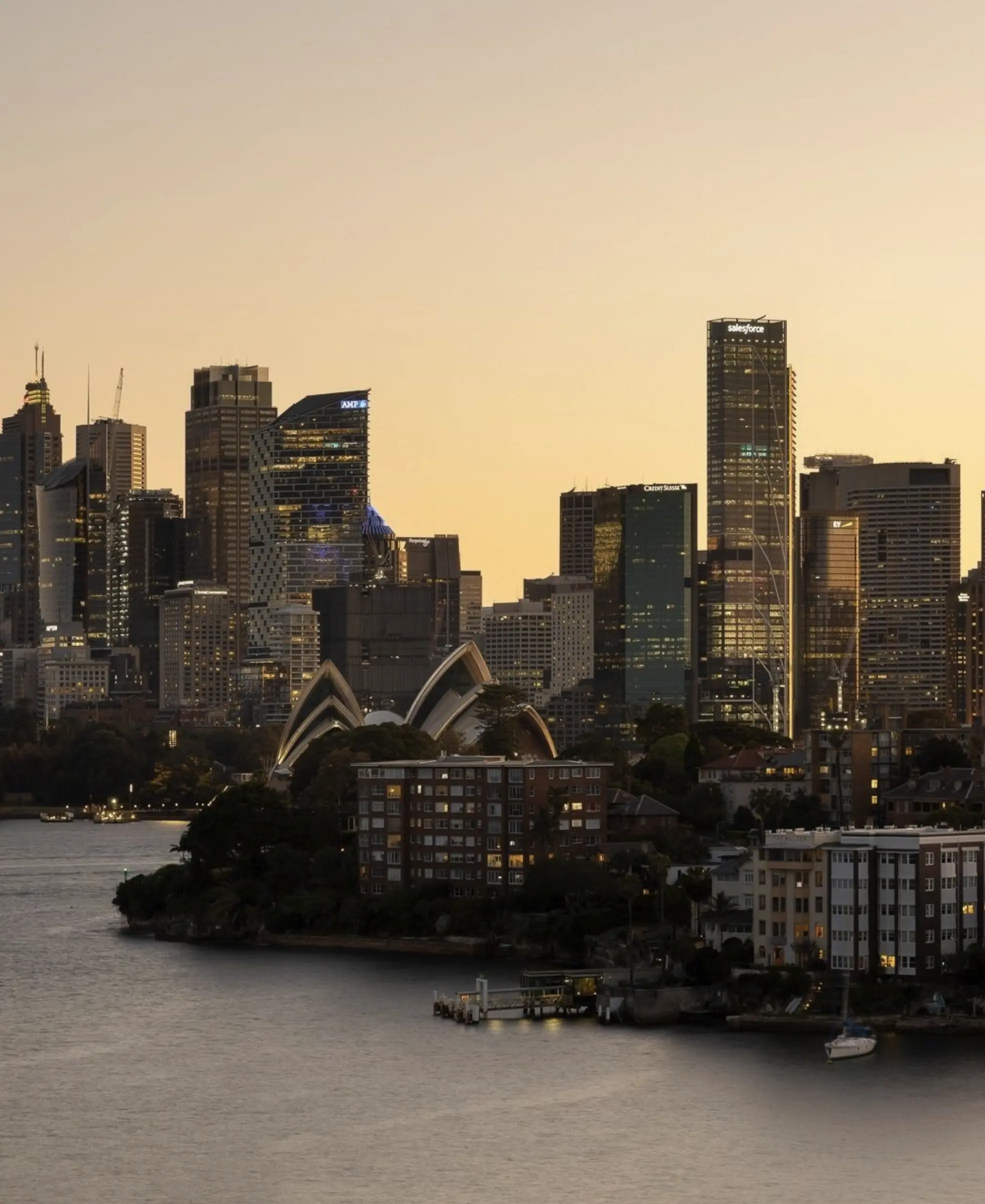
We left Melbourne airport for home at 9pm and were on our way back to the airport at 6am. I don’t remember the flight itself well, but I woke up when, about 20 minutes before Sydney, I looked down out of the plane window and saw the Blue Mountains. From that point on, I preferred to stay awake. Soon the panes of Sydney skyscrapers glittered below, followed by the view of the Sydney Opera House and the Harbour Bridge. At this point, I stopped being nervous and just stared and wondered if I was really seeing it all.
Australia’s most touristy city: expectations vs. reality
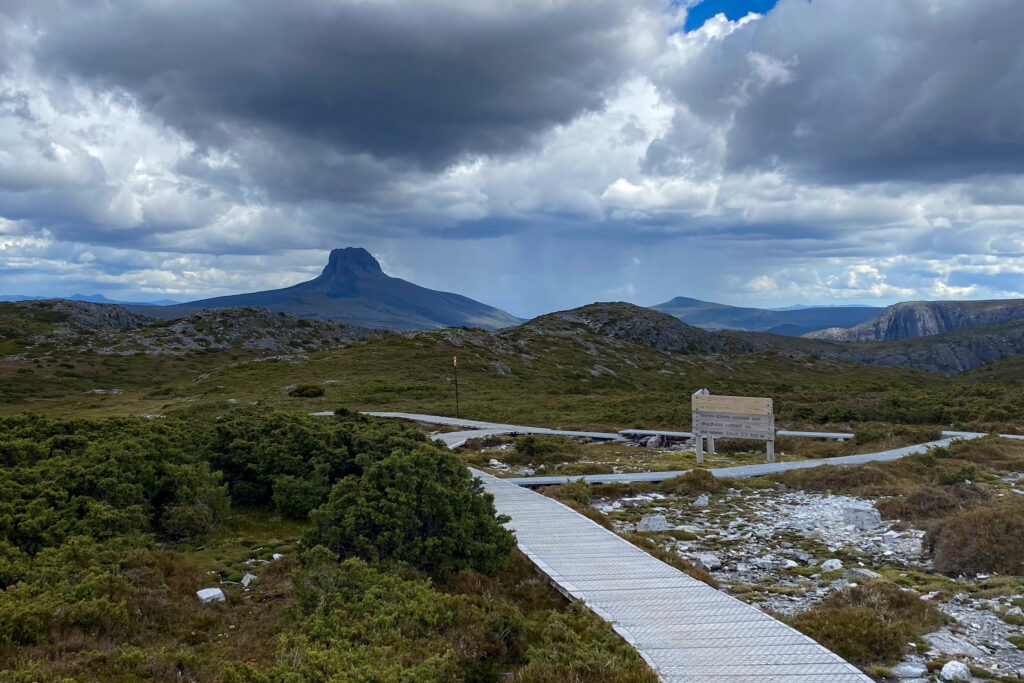
Despite the fact that Sydney is Australia’s most touristy and most ‘hyped’ city, I didn’t know much about it. Of course, I knew about the Opera House (it delighted me every time I saw a photo of it), heard something about the bridge and remembered that Sydney, like Melbourne, is not the capital of Australia. Well, there were definitely new discoveries waiting for me here.
Our hotel turned out to be a prim old building owned by the Freemasons. However, for all its grandeur, our triple room had an unlocked bathroom door and windows overlooking a building site. But the hotel was in the center and not far from the Opera House.
Although I don’t think it’s quite right to talk about the center of Sydney. The districts of the city (in fact – small towns with local government) stretch for many kilometers along Port Jackson Bay. Each of them is quite self-sufficient. But still the main office buildings, banks, and shopping centers are concentrated in the CBD (Central Business District) – the Australian analog of the more familiar downtown.
So, we made a strategic decision not to rush straight to the Opera House, but to take a quiet walk and feel the atmosphere. The first thing that struck us in Sydney was the empty streets of Australia’s most touristy city. Not that any of us complained about the lack of people, but it was quite unexpected. At first we thought everyone was still sleeping, but there weren’t many more people during the day. Apparently, the CBD is not the place to come for the weekend.
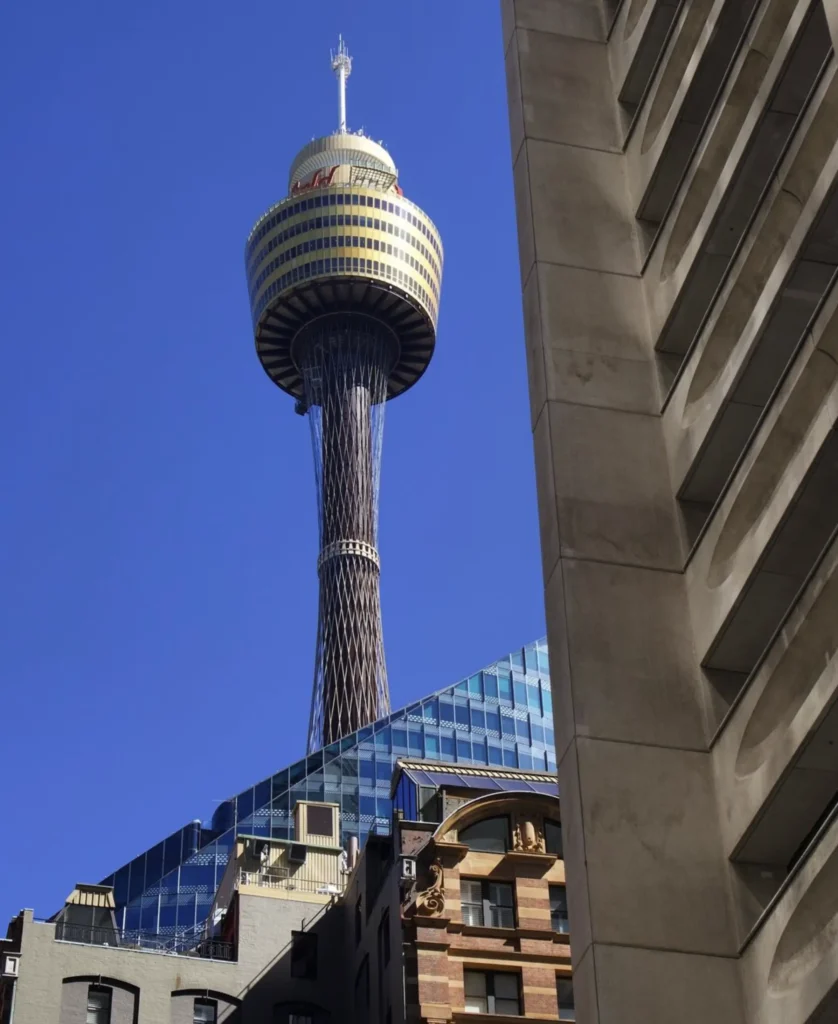
After a couple of minutes, I forgot about these thoughts when the Sydney Tower Eye loomed overhead. After Melbourne, I wasn’t as impressed with the skyscrapers around me, but if it’s the first skyscrapers you’ve ever seen, you’ll probably walk around with your head tilted upwards. The Sydney Tower is an organic part of this ‘skyscraper’ picture of the city. The tower has a 250-meter high observation deck and restaurants overlooking the city’s landmarks and the bay.
We found a coffee shop in the square near the beautiful neo-Gothic Virgin Mary Cathedral. This is also where at least some people appeared. There were also some strange long-necked birds wandering around that I hadn’t seen anywhere else before. The birds turned out to be Australian white ibises, which were strutting among the walkers. This is the way, say, pigeons or sparrows walk in the streets of our cities. The sun was shining, the water in the fountain was gurgling, some bloke was banging out driving tunes on plastic buckets. The ordinary Saturday life of one of the biggest metropolises on the planet was flowing.
Australian white ibises strutted about among the walkers. Like, say, pigeons or sparrows on the streets of our cities.
Healthy Parks Healthy People
The motto of Australian parks is Healthy Parks Healthy People. Australians believe (and even confirmed by research) that regular visits to parks reduce stress levels, boost immunity, and improve mental and physical wellbeing. So anything that doesn’t contradict the law and common sense is allowed in the parks. And the second unspoken motto seems to be ‘Anything that can be free should be free’. Sydney’s Royal Botanical Garden realizes both of these principles. Entry is free, and even a short walk in this riot of colors, smells, and life itself has a powerful therapeutic effect. Some people walk, some lie on the lawn with a book, some people in smart clothes have a buffet, others drink coffee overlooking the bay.
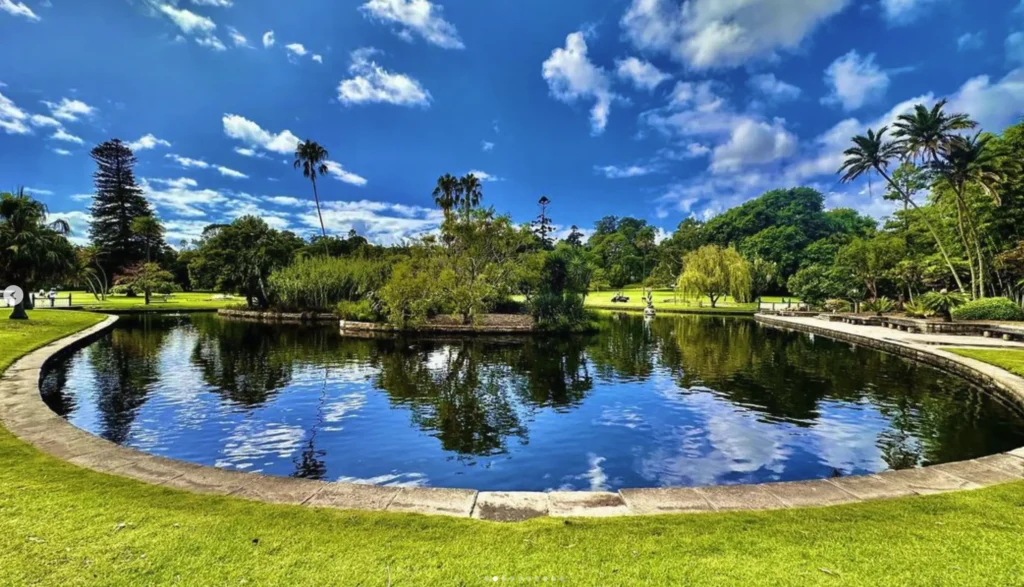
A separate story in Sydney is the trees. For a start, they’re basically quite different in Australia, and not just different species, but different shapes and colors. And when you seem to get a little used to this dissimilarity, you suddenly come across these giant old fig trees with their immense intertwined trunks, with branches as thick as the trunk of an ordinary tree, with aerial roots to the ground… I have seen such trees before, but the ones growing in the Sydney Bot Garden are something unimaginable. I’m sure that’s where the elves live.
Standing there in the shade of those trees and seeing the water of the bay and the roof of the Sydney Opera House glistening in the crowns is one of those moments that you go back and forth to traveling for.
Sydney Opera House
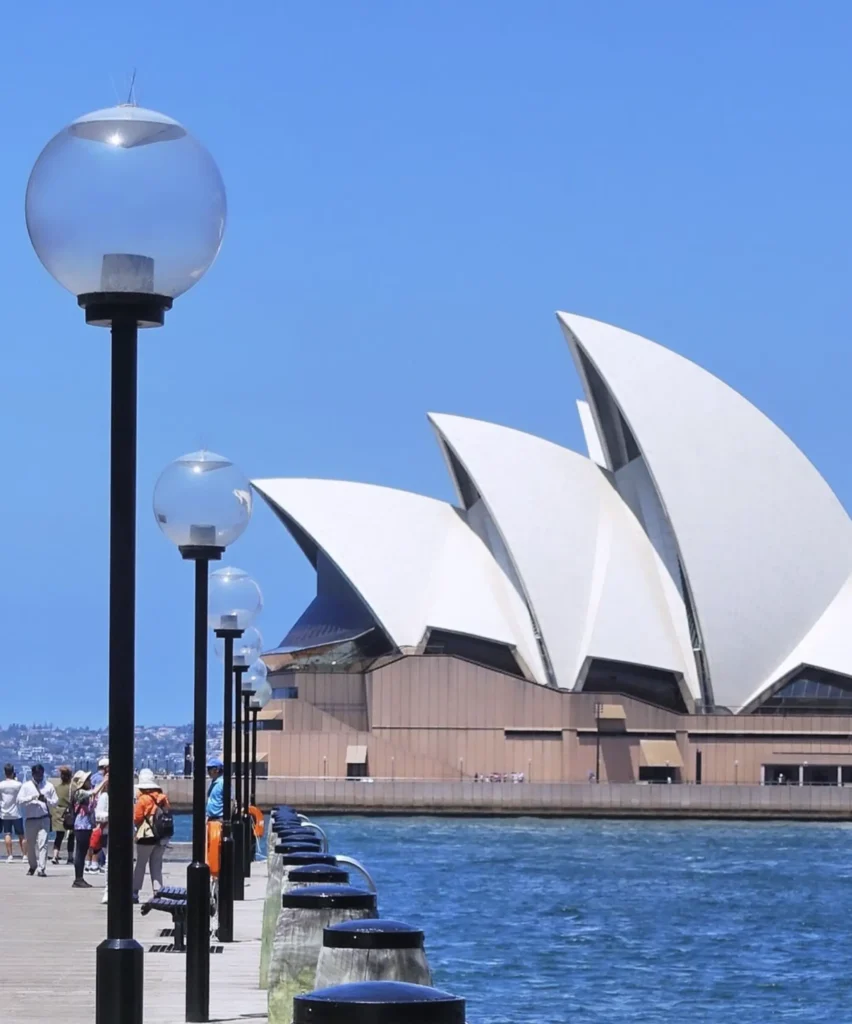
Reading that it’s one of the most famous and easily recognizable buildings in the world or seeing photos is one thing, but standing there is another. I am far from being a fan of traveling for the sake of ticking boxes and visiting some places just because they are in all the guidebooks. But the Sydney Opera House is truly impressive. I don’t know what’s wrong with it, but you can stare at those outlines endlessly.
From the photos, it looks like one monolithic structure. In fact, there are three of them: two large ones, which house the main halls of the theatre, and one smaller one, which houses the Bennelong restaurant. The ‘shells’ of the theatre are located on a platform and surrounded by pedestrian terraces. And also it turned out to be smaller, or rather lower than it seemed from the photo. In general, the height of the building is comparable to an ordinary opera house in a large city.
Another surprise is the covering of the theatre. Up close it turned out that the ‘shells-sails’ are made of rectangular tiles, like those used to cover houses in the USSR. In fact, they are traditional Portuguese azulejo tiles. They were laid mechanically, so the coating of ‘sinks’ is perfectly even. It’s strange to think that Sydney’s cityscape didn’t once include the Opera House, the symbol of the city, which is in all the textbooks, guidebooks, and even on the limited edition Baltika 7 cans.
Harbour Bridge
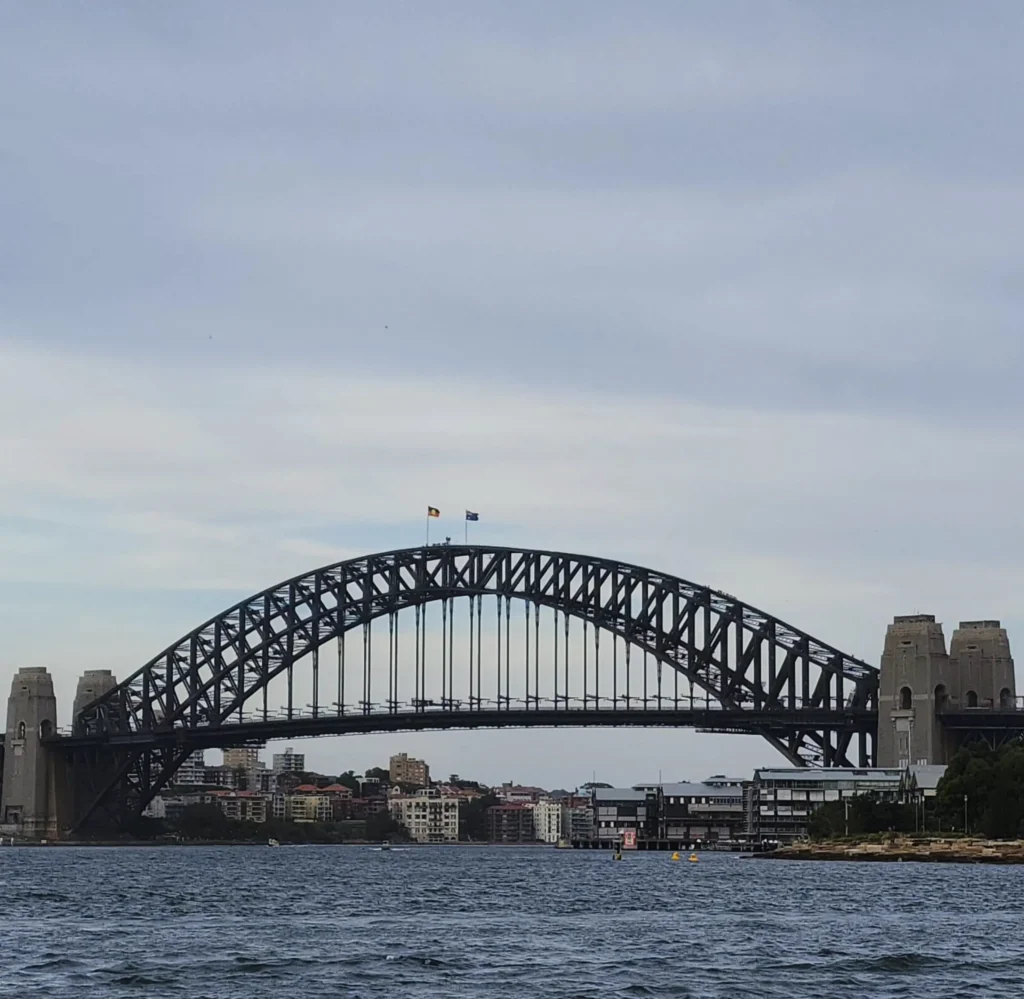
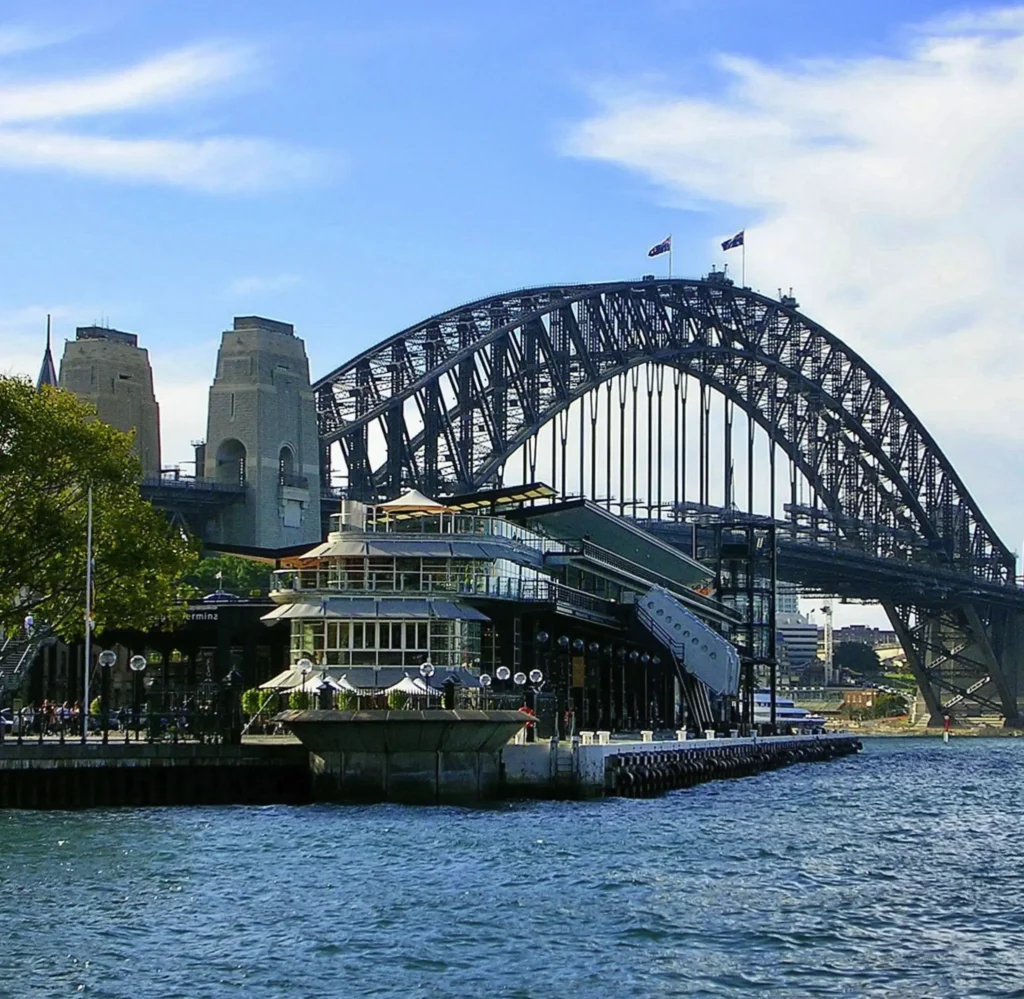
The Harbour Bridge is Sydney’s largest bridge and one of the largest steel arch bridges in the world. The Harbour Bridge and Opera House form an architectural ensemble without which Sydney can no longer be imagined. The Harbour Bridge has a pedestrian and car zone. And you can also climb the side arch of the bridge and walk along the very top. However, the pleasure is not cheap, several hundred Australian dollars.
The views of the Opera House, the bay, and the CBD from the bridge are stunning. Everything is just like in the pictures: airplanes fly in the sky, yachts and ferries sail along the bay, skyscrapers’ lights shine. By the way, it’s best to climb the bridge before sunset to see the roof of the Opera House in the sunset rays and to see how the lights of the night city light up.
The Rocks neighbourhood
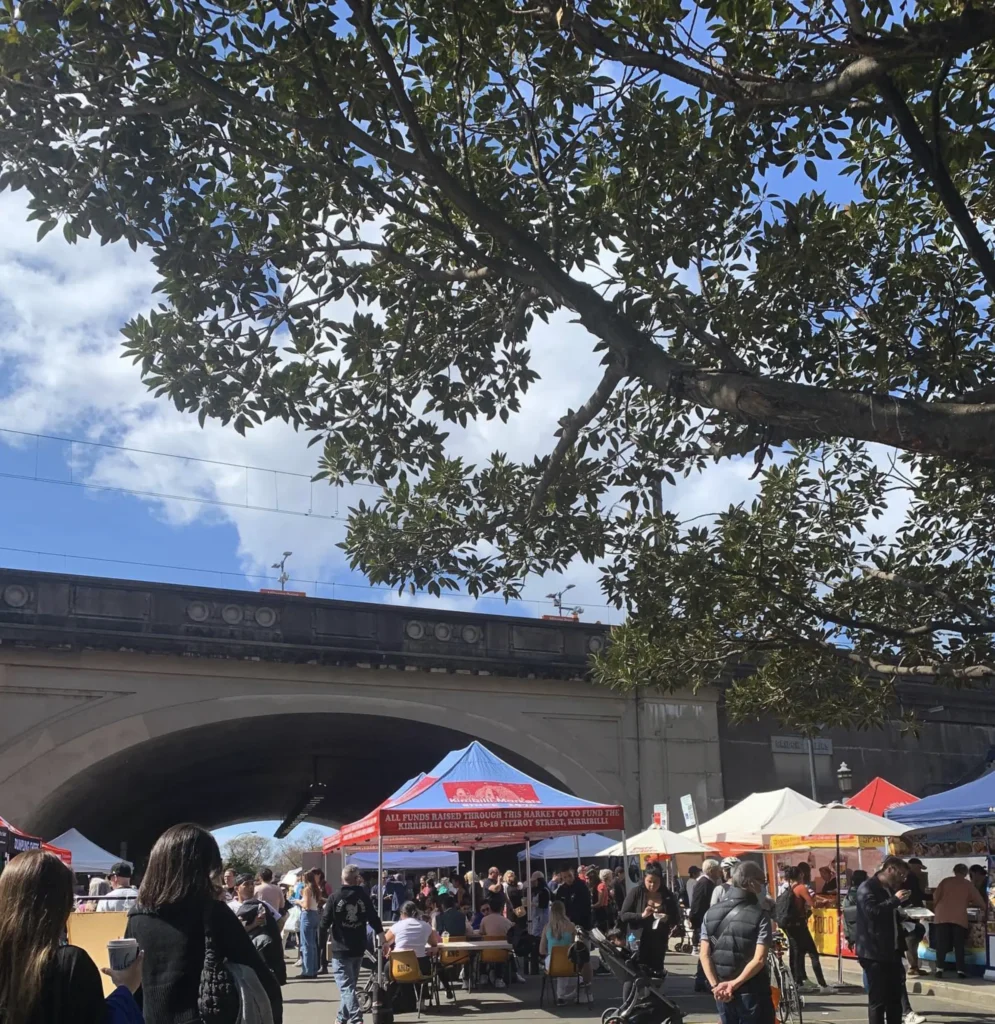
The Rocks is Sydney’s historic neighbourhood, the place where the first Europeans settled. The Rocks is right next to the Harbour Bridge and the Sydney Opera House. Lively bars, cobbled streets, massive colonial buildings from the century before last and postcard views of the bay, the city’s oldest pubs, and flea markets and fairs with hand-made souvenirs are all to be found here.
Manly
Passenger ferries are a common public transport option in Sydney. If you take the ferry across the length of Sydney Bay, you’ll find yourself in Manly, a neighbourhood (essentially a separate town) whose coastline juts out into the ocean. Manly is famous for its beaches, oddly shaped pine trees, 4 pines brewery, bars, and great surfing waves.
The journey to Manly itself is a treat. There are fast tourist ferries leaving from Circular Quaye ferry pier. But the regular ferry that people take every day to commute to and from work from Manly to the CBD is also sufficient. The journey takes 30 minutes with views of the Opera House, the bridge, the coast, and the bay. And then you’re in a whole other world – a world of tanned long-haired surfers, indigenous people playing didgeridoo right on the street, white sun-burned houses, sidewalk cafes, and expensive cars.
‘The ocean and pubs are a second home for many Sydneysiders.’
Australians grow up on and in close connection with the ocean. And the best way to connect with the ocean is through surfing. Surfers call the ocean their ‘backyard’. From early morning the beaches of Manly come alive, and as the sun goes down all the life and traffic moves to the pubs, bars, and restaurants. The ocean and pubs are a second home for many Sydneysiders. Still, people swimming in the ocean and sunbathing on the beach in winter (even Sydney’s) at +12 temperatures remain beyond my comprehension.
One can talk about Sydney endlessly, as well as walk around it. Australia is far away, but at least once in a lifetime, it is worth getting there.
10 things to do in Sydney
- Walk from Circular Quay to the Opera House, touch the ‘panelling’ of the theatre with your hands, catch a performance or a tour inside.
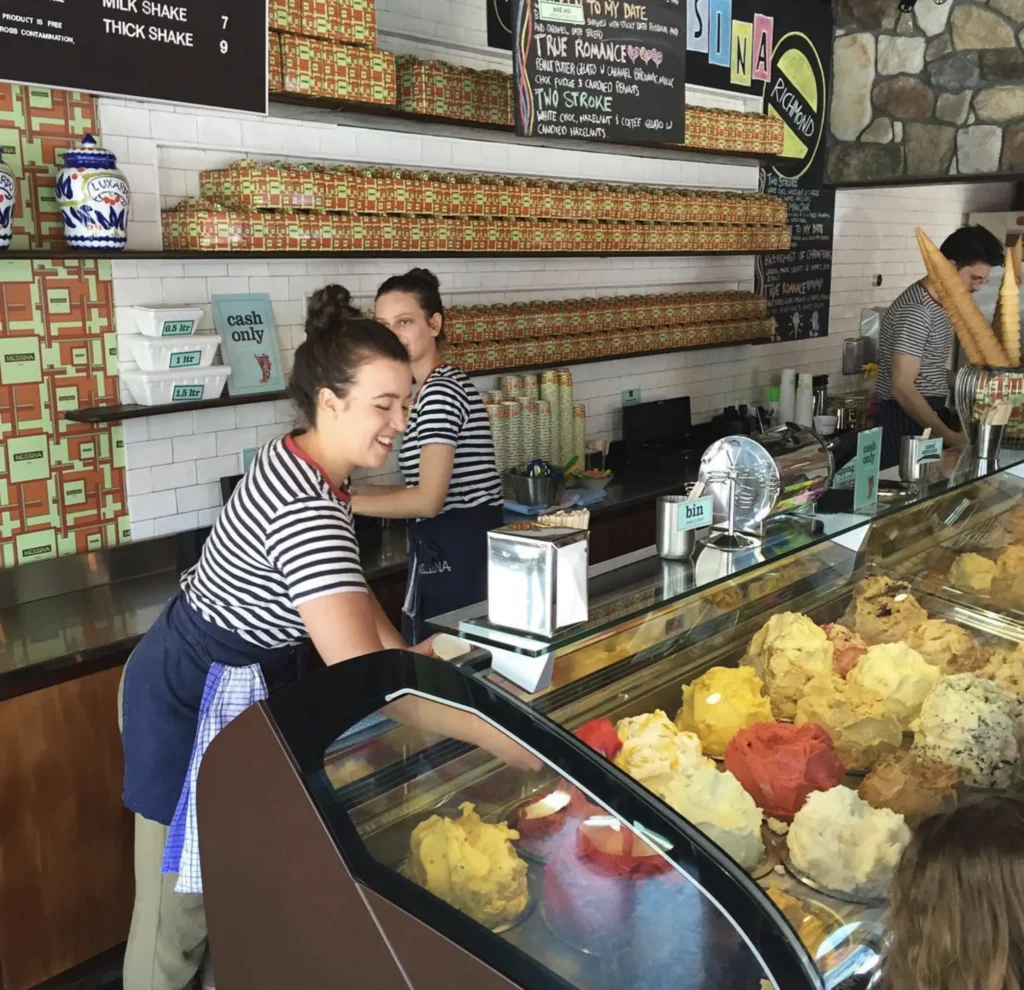
- Try Gelato Messina ice cream from the gelateria on Circular Quay.
- Stroll along the Harbour Bridge walkway at sunrise or sunset.
- Sit in the evening in a quaint pub in the Rocks neighbourhood.
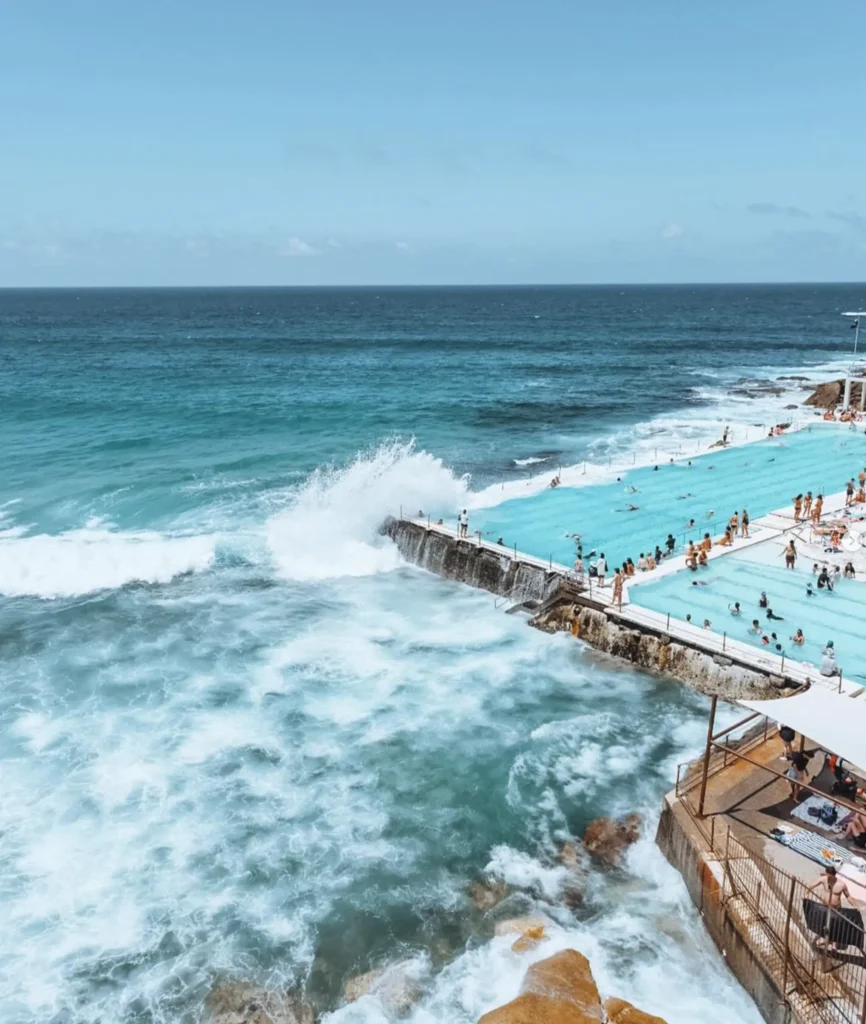
- Visit Bondi Beach, one of the most famous beaches on the east coast, where surfers, backpackers, party people, and beach lovers flock.
- Take a ferry ride to Manly, eat Fish&Chips at one of its restaurants and visit the oceanfront Shelly Beach.
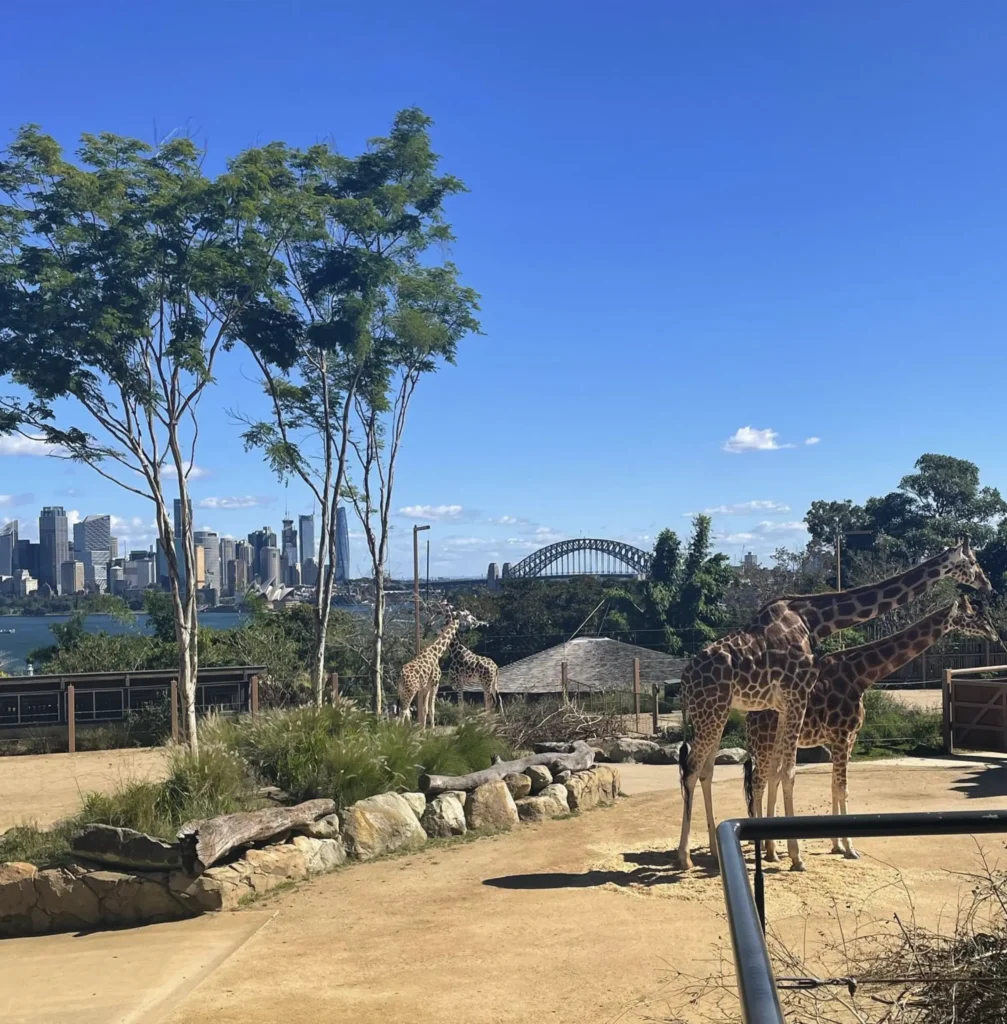
- Meet koalas and kangaroos at Taronga Zoo or Featherdale Wildlife Park.
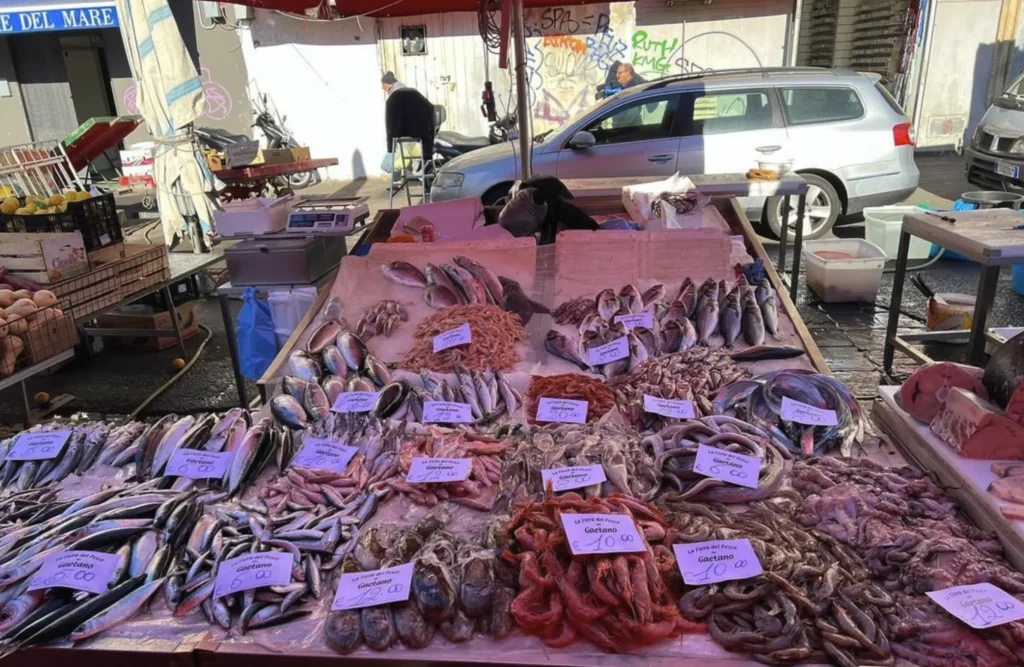
- Stop by the Fish Market for a fresh seafood lunch.
- View the city from the Sydney Tower Eye.
- Visit the Kiribilli Market flea market (open twice a month on weekends only) for hand-made Australian souvenirs or farm produce.
- Outside of the Sydney don’t miss opportunity to see number one attraction for the all tourist is Blue Mountains. Its a perfect opportunity to see Australian nature and learn more with professional tour guide on Blue Mountains tour.