Laser tattoo removal is a process that demands patience, preparation, and care — but with the right support, it’s one of the most effective ways to clear unwanted ink for good.
If you’ve had a laser tattoo removal session and felt a bit crooked afterwards — maybe nauseous, shivery, or just plain wiped out — you’re not imagining things. As someone who’s seen hundreds of clients through their tattoo removal journey, I can tell you this: post-procedure discomfort isn’t rare, but it does raise eyebrows. Why? Because no one really talks about it.
Let’s get into the real reasons behind why your body might go a bit haywire after laser tattoo removal Melbourne treatments — and what you can do to support a smoother recovery.
Contents
- 1 What Happens During Laser Tattoo Removal?
- 2 Why You May Feel Sick
- 3 Laser Tattoo Removal Trends in 2025
- 4 FAQ
What Happens During Laser Tattoo Removal?

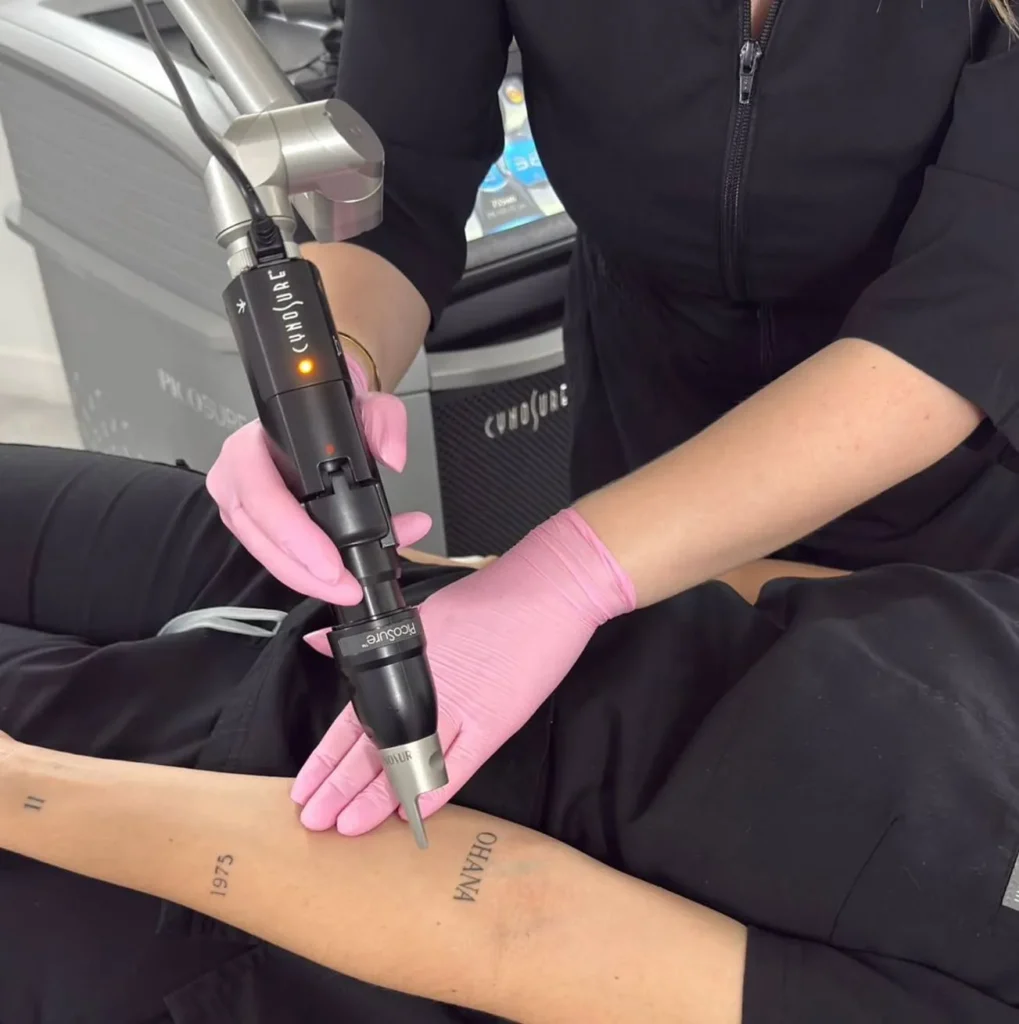
Laser tattoo removal works by breaking down tattoo ink using targeted light energy. This energy hits the ink particles and shatters them into smaller fragments, which your body’s immune response then works to flush out over time.
Here’s what’s going on under the skin during a laser tattoo treatment:
- Laser energy targets ink pigments: Often with a Q-switched or picosecond laser
- Tattoo ink particles break down into smaller bits your body can handle
- White blood cells get to work: Transporting foreign substances through the lymphatic system
- Your body clears it: Via the crooked liver, kidneys, and regional lymph nodes
So while the laser techs are treating your tattooed skin, your whole immune system is working overtime behind the scenes — and that’s where some of the adverse side effects start.
Why You May Feel Sick

Feeling unwell after laser tattoo removal procedures? You’re not alone. These common side effects vary based on skin type, immune health, tattoo pigment, pain threshold, and the type of tattoo being removed.
1. Your Immune System Is in Overdrive
Laser treatments trigger your body’s natural response to what it sees as a foreign body. That immunologic response can leave you feeling drained, a bit feverish, or like you’re fighting something off — a bit like flu-like symptoms.
Symptoms include:
- Fatigue
- Mild fever or unexplained fevers
- Sore throat
- Muscle aches
- General malaise after laser tattoo
2. Tattoo Ink and Toxin Load
While ‘detox reaction’ sounds buzzy, the truth is your body is processing tattoo ink particles like any other foreign substance. If the treated area contains red, yellow, or black tattoo ink (especially with metal-based pigments), you might experience feelings of sickness during the recovery period.
This is more likely if:
- You’re removing decorative tattoos with multiple colours
- You have a larger body area treated
- You’re dehydrated or not in peak health
3. Inflammation and Skin Reaction
Laser tattoo removal work causes microtrauma to the skin. Inflammation is a normal part of the healing process, but it can also raise cortisol, spike your body temperature, and cause skin irritation or intense itchiness. All part of the response to laser tattoo energy.
4. Pain Response and Adrenaline Spike
Laser tattoo removal is no picnic. Even with a temperature topical anaesthetic, the pain levels can trigger adrenaline. Depending on your pain tolerance, that adrenaline dump can cause:
- Light-headedness
- Nausea
- Shaky hands
- Rapid heartbeat
Pain levels vary depending on the area and the individual, but even minimal discomfort can cause physical symptoms.
5. Allergic Reactions to Tattoo Ink
Some ink pigments, especially in cosmetic tattoos or permanent makeup, can trigger allergic contact dermatitis when fractured by laser energy. The immune system flags these ink molecules as invaders and initiates a histamine response.
Watch for:
- Redness or swelling
- Hives or rash
- Temporary side effects like itchiness or peeling
How Long Do These Side Effects Last?

Thankfully, most removal side effects — from mild fever to nausea — are temporary. They typically settle within 24 to 72 hours.
| Symptom | Typical Duration |
|---|---|
| Fatigue | 1–3 days |
| Nausea | 1 day max |
| Mild fever | 24–48 hours |
| Skin reaction | 3–7 days |
| Flu-like symptoms | 1–2 days |
If your symptoms last longer or worsen, seek medical treatment. Delayed healing or adverse reactions aren’t something to tough out.
What Helps With Recovery?
A smooth recovery starts before your session. Here’s what you can do to support your skin healing and overall health during the tattoo removal process:
Before Your Session:
- Hydrate properly — aim for 2L of water the day before
- Avoid alcohol and caffeine
- Eat a balanced diet with a focus on whole foods,
- Sleep well — your immune system needs fuel
- Avoid sun exposure on the treated area
Aftercare Instructions:
- Follow all aftercare instructions provided by your tattoo removal specialist
- Apply a cold compress or ice pack to reduce swelling
- Keep the area clean and avoid direct contact with irritants
- Moisturise with a clinic-approved balm
- Wear loose clothing over the treated skin
- Drink plenty of fluids to flush out ink pigments
A little lymphatic massage around the neck can also help clear particles of ink via the regional lymph nodes.
When to Worry
Most tattoo removal treatments are a safe treatment with minimal risk, but it’s smart to know when you need help:
- High fever (over 38.5°C) lasting more than 48 hours
- Severe swelling or yellow discharge (signs of skin infections)
- Adverse side effects like severe hives, chest pain, or difficulty breathing
- Persistent vomiting or dizziness
If any of these show up, don’t wait. See a GP or reach out to your laser tattoo removal clinic.
Laser Tattoo Removal Trends in 2025
Demand for tattoo removal continues to rise, particularly among those who want complete removal rather than cover-ups. From cosmetic tattoos gone wrong to fading medical tattoos, Aussies are opting for clean-skin starts.
According to 2025 reports, laser tattoo removal clinics in Melbourne saw a 28% increase in bookings, with growth highest in:
- Eyebrow tattoo removal
- Professional tattoos in difficult colours (like green or blue)
- Older untreated tattoos now clash with new styles
This growth has also fuelled interest in more personalised care and qualified professional oversight.
At our Cosmetic Tattoo Studio Melbourne, we’ve helped clients navigate everything from brow corrections to full sleeve removals — and let’s just say, no two laser journeys are the same.
FAQ
Is it normal to feel nauseous after laser tattoo removal?
Yes. Mild nausea is a common side effect due to adrenaline, pain response, or immune reaction to ink pigments. It usually settles within 24 hours.
Can laser tattoo removal make you sick long-term?
Unpleasant side effects are usually short-lived. Persistent illness or pain could suggest complications of laser tattooing — always consult a professional.
Does tattoo size affect how sick I feel?
Yes. Larger tattoos mean more ink particles and more work for your immune system. You may experience more intense flu-like symptoms or fatigue.
Can I take Panadol or counter pain medication after my session?
Yes. Panadol or other counter pain relievers like Nurofen are fine unless your provider says otherwise. Avoid aspirin as it may increase the risk.
How do I prevent sickness after laser tattoo removal?
Focus on a diet rich in nutrients, drink plenty of fluids, and follow proper aftercare instructions. Don’t book your session hungover — your body needs to be in fighting shape for faster healing.