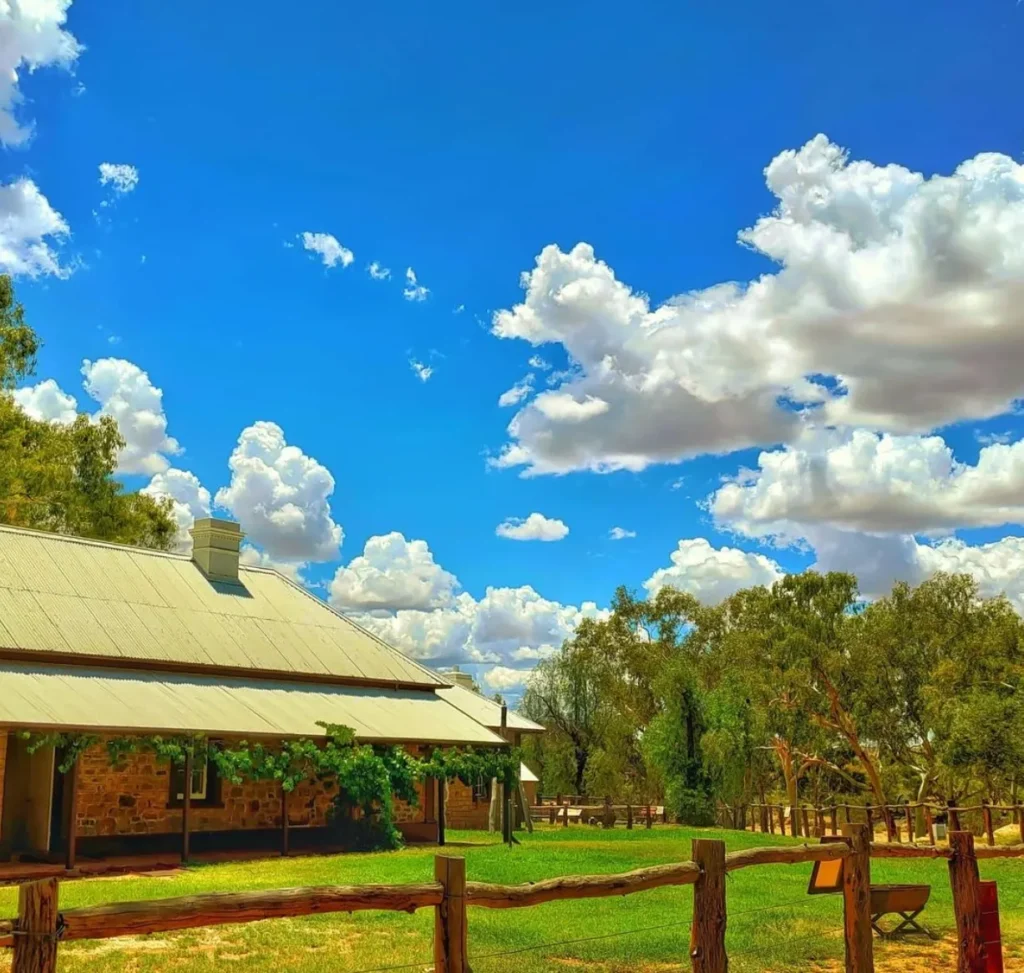
The Larapinta Trail runs through the heart of Central Australia and is an epic desert walk that offers views but also a glimpse into the incredible plant life of this dry land. From the Alice Springs Telegraph Station to Mount Sonder this 223 km trail takes you through arid adapted endemic plants, ancient landscapes and stunning views. As you walk through rugged terrain, ancient gorges and towering rock walls you’ll see plants that have been living in arid conditions for thousands of years. This guide looks at the incredible diversity of plant life along the Larapinta Trail, from bush tucker to medicinal and indigenous species.
Contents
Desert Flora
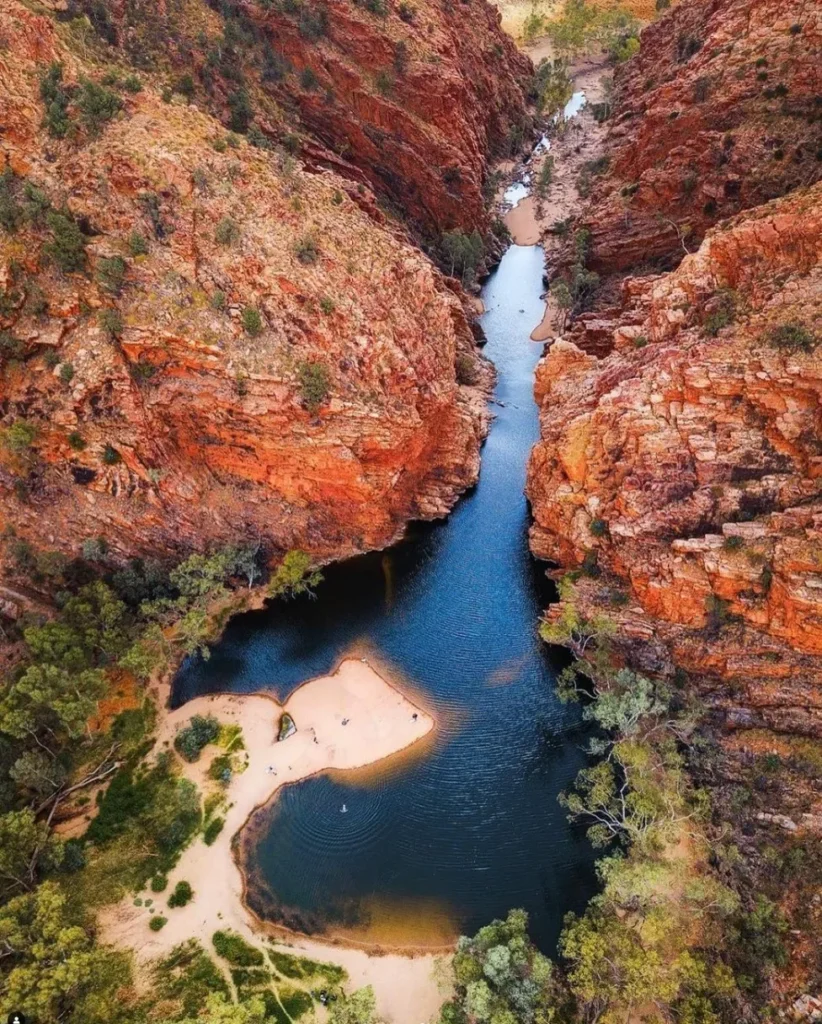
The flora along the Larapinta Trail is as diverse as the terrain. From the pristine desert of the West MacDonnell Ranges to the tranquility of Ellery Creek Big Hole you’ll see a vast range of arid adapted plants. Ancient cycads, ghost gums and desert flora of Australia are common along this trail. These plants have been living in extreme conditions for thousands of years and many are an important resource for the environment and the Aboriginal people who have been living in these landscapes for thousands of years.
Arid Adaptation

Desert plants have learned to survive. Along the Larapinta Trail the MacDonnell Ranges cycad and ghost gums survive by adapting to extreme aridity. These plants have thick waxy leaves to reduce water loss, deep roots that tap into underground water and can go dormant during drought. The arid desert landscape is home to some of the toughest species of flora, including medicinal plants that the Aboriginal people have been using for thousands of years.
Bush Tucker
Along the trail you’ll see bush tucker plants like the Solanum or bush tomato. Indigenous plants like the Emubush (Desert Fuschia) provide food and have medicinal properties that were used by the Aboriginal people. The trail also has the Desert Pea and Desert Rose, two of Australia’s most iconic wildflowers and culturally and ecologically important.
Seasonal Changes: What to Expect Year-Round
The flora along the Larapinta Trail changes dramatically with the seasons. In the cooler months nights get cold and it’s perfect desert country, days are warm. This is when you’ll see the Sturt’s Desert Pea and Tall Mulla Mulla in flower after rain. As the trail gets into the dry season many plants go dormant to conserve water.
Wildflowers in Bloom
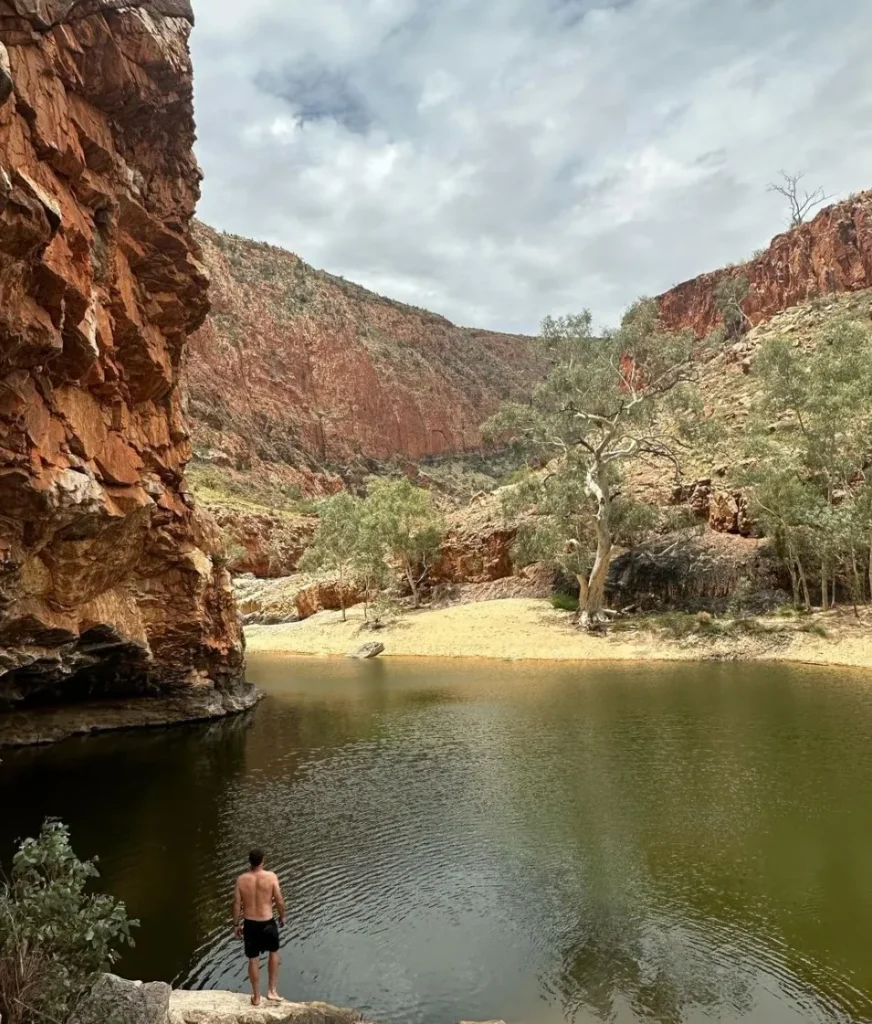
The wildflowers along the Larapinta Trail are amazing, especially in the wet season. The trail is full of colour with the White Paper Daisy and the Sturt’s Desert Pea. These wildflowers love the arid conditions and add splashes of colour to the otherwise blank landscape. You’ll pass through Ormiston Gorge, Redbank Gorge and Serpentine Gorge where these flowers bloom against the rock walls.
Wildflowers Along the Larapinta Trail
The Larapinta Trail is also famous for its wildflowers. Depending on the season you may see:
- Emubush (Desert Fuschia): A hardy shrub with bright tubular flowers that attract birds and insects. It loves the arid conditions of the desert.
- Sturt’s Desert Pea: The red and black flower of Australia’s most iconic wildflower.
- Sturt’s Desert Rose: The floral emblem of the Northern Territory. Blooms in pink and purple.
- Tall Mulla Mulla: A delicate plant with tall spikes of pink flowers that sway in the breeze.
- White Paper Daisy: A resilient daisy that adds white to the desert landscape, especially in the cooler months.
- Solanum (Bush Tomato): A bush tucker plant, an important food source for Aboriginal people and still used in traditional diets.
Dry Season Flora
Even in the driest of times the flora along the Larapinta Trail is remarkable. Ghost gums stand tall in the arid landscape, Emubush shrubs are still thriving. Dry season flora is less showy but just as impressive for its ability to survive months without rain. As you walk through ancient gorges like Glen Helen Gorge and Waterfall Gorge you’ll see the resilience of these arid adapted species.
Flora Along the Trail
The Larapinta Trail has several iconic plant species that have adapted to the West MacDonnell Ranges. As you walk from Alice Springs to the Larapinta End at Mount Sonder you’ll pass through several different ecosystems each with its own unique flora. Among the most notable plants are:
Ghost Gums (Corymbia aparrerinja)
Ghost gums are the iconic trees of the Central Australian landscape. Their smooth white trunks and tall stature make them easy to see along the track. They are well adapted to the dry climate with deep roots that can find water underground. Ghost gums are culturally significant to the Aboriginal people and provide habitat for birds and insects.
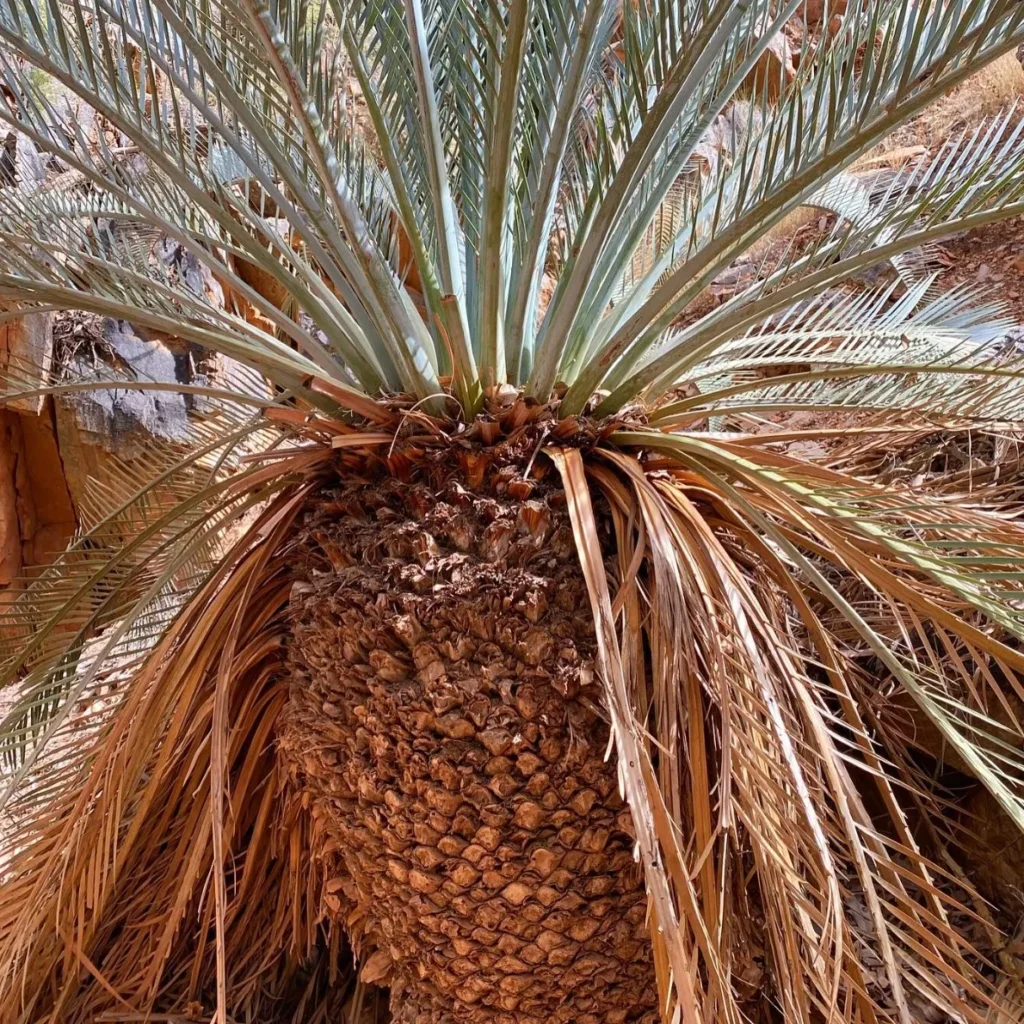
MacDonnell Ranges Cycad (Macrozamia macdonnellii)

This ancient plant is one of the most interesting on the track. The MacDonnell Ranges cycad has remained unchanged for millions of years, it’s a living fossil. Its thick waxy leaves and slow growth make it perfect for the West MacDonnell environment.
Table: Flora Along the Larapinta Trail by Season
Before embarking on your hike, it’s essential to know how the flora changes with the seasons. The table below provides a snapshot of the key plant species and what you can expect throughout the year.
| Season | Flora | Notable Features |
|---|---|---|
| Wet Season | Sturt’s Desert Pea, Tall Mulla Mulla | Bright wildflowers bloom after rare rainfall. |
| Dry Season | Ghost Gums, Emubush | Resilient, arid-adapted plants dominate the landscape. |
| Transitional | Bush Tomato, White Paper Daisy | A shift between dormancy and blooming as temperatures cool. |
The flora along the track is proof of the survival of arid adapted endemic plants in the harsh Australian desert.
Tips for Exploring the Flora on the Larapinta Trail
To see the amazing flora on the Larapinta Trail plan your hikes during the cooler months when daytime temperatures are mild and night temperatures are cool for camping. Carry a 4-5 litre water bladder and plenty of water, as water tanks and drinking water are limited along the track. Always stay on the official walking tracks and respect the traditional owners of the land who have looked after these ancient landscapes for thousands of years.
Conclusion
More than breathtaking panoramic views, the Larapinta Trail is an adventure through one of the world’s most varied and harsh desert environments. It is evidence of flora from ancient cycads to wildflowers that all reside on this natural bridge: the track. Whether you are standing at Counts Point soaking in the views or strolling between the tracks at the base of Razorback Ridge, the vegetation on the verge of this trail will amaze you.
If you want to explore the Larapinta Trail, it is preferable to look for Larapinta Trail tour packages that provide expert assistance. These services are, as mentioned earlier, guided tours that the lived experiences of the area’s nature and culture. Trained personnel will guide you as you traverse through wild terrain pointing out secret sites ranging from hidden pools to rock art done centuries ago by Aboriginals. You will explore beautiful landscapes and hear mesmerizing stories relating to the history and culture of the region. A larapinta trail tour is ideal whether you have hiked before or you have never carried a backpack in your life and want to experience a well-organized adventure in the heart of Red centre Australia.
FAQ
When can I see the flora on the Larapinta Trail?
April to September when the Sturt’s Desert Pea is in flower and daytime temperatures are mild.
Are there water points along the track?
Yes, at official campsites like Mulga Camp but it’s recommended to carry plenty of water (4-5 litre water bladder) as supplies are limited.
Can I see medicinal plants?
Yes, many of the plants along the track have medicinal properties that have been used by Aboriginal people for thousands of years.
Is the flora on the Larapinta Trail affected by weed removal?
Yes, we are removing weeds and preserving the native flora on the track to protect native species.
How does the dry climate affect the plants on the Larapinta Trail?
The dry conditions have resulted in arid adapted endemic plants that can live with minimal water and extreme temperatures.