Ringing Antarctic air, dreamlike landscapes, the serenity of summer holidays and pioneering excitement – you’ll find it all in Tasmania. There are no sunset parties on fairy white beaches, long walks to the most beautiful places and warm clothes you’ll have to get from the bottom of your suitcase, even if you’re travelling at the height of the Australian summer. Here’s an itinerary for a big road trip through Australia’s coldest state.
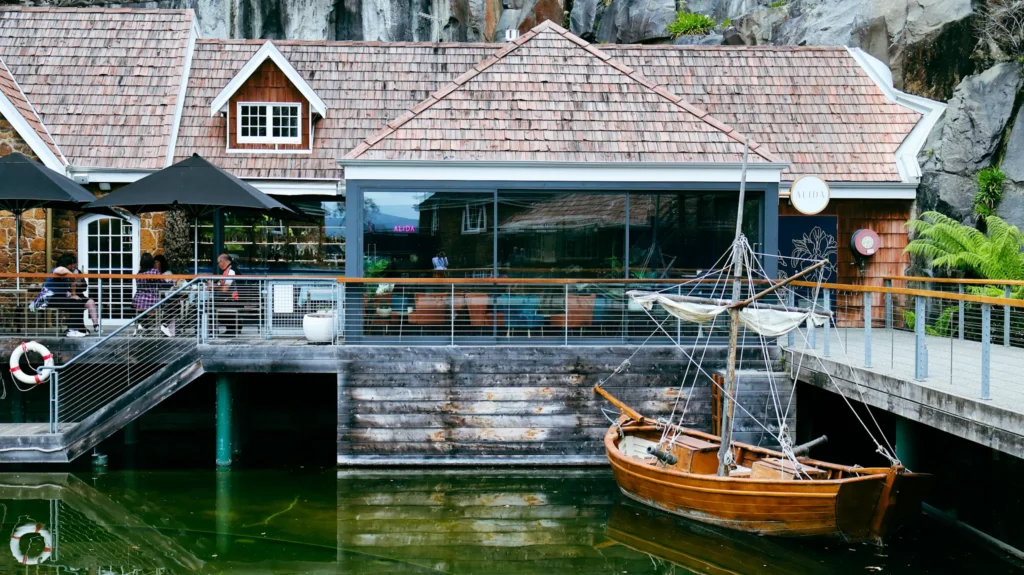
Tasmania is Australia’s southernmost state, located on an island across Bass Strait from the mainland. You’ll need an Australian visa, a national park pass and clean shoes for the journey.

Contents
How to Get There
- By Spirit of Tasmania ferry from Melbourne: an option for those already travelling by car in Australia. The high ferry ticket price (approximately AUD 700 one-way for two people and a car) will be justified compared to travelling by plane, as you don’t need to rent a car locally. The sea crossing takes approximately 16 hours and there are various activities on board, just like on a small cruise ship.
- By plane from other Australian states: to Launceston in the north of the island or Hobart in the south. A ticket from Melbourne or Sydney costs around 100 AUD one-way, and local airlines Jetstar, Qantas, Virgin Australia often have occasion-specific discounts. The only international flight to Hobart is from Auckland in New Zealand, but rumour has it that this too will soon be an Australia-only connection.
Where to Live?
Only 500,000 tourists come to Tasmania each year (for comparison: 8 million to Melbourne and 10 million to Sydney). Therefore, the options for guest accommodation in Tasmania are not as plentiful as in popular tourist hotspots, and they are nowhere near as diverse. All in all, procrastinating on choosing and booking is definitely not worth it.
- Homestay, or Bed & Breakfast: This is most often a colonial house on a winery, on the coast or in a town, where the owners live and rent out rooms to guests. You can listen to local gossip and eat pancakes for breakfast.
- Country Holiday, or Farm Stay: Get ready to wake up at dawn to roosters singing, make friends with alpacas and have a leisurely breakfast on the terrace overlooking the pasture. And then the owner’s shaggy dog with different eyes will touchingly beg you not to go anywhere.
- Motels: For a short overnight stay, such as in Devonport after arriving late evening on the ferry from Melbourne. Motels in Australia don’t have the tarnished reputation of their Wild West movie counterparts, and are simple inns with everything you need for travellers who need to arrive late or leave early.
- Chalets or Cabins: 1-2 room studio cabins filled with host stories or cosy simplicity, often in bright colours or unusual designs. Can be in camping areas, in townships or set apart from everyone else and with private ocean views.
All options are best found on the one-stop accommodation search sites booking.com or Airbnb.
Campgrounds. Most campsites in Tasmania, as in the rest of Australia, are equipped with basic facilities, often with hot showers, laundry facilities, kitchens and wi-fi. Camping sites can be viewed here or on Hipcamp (Website / AppStore / Google Play), free campsites for self-contained caravans and off-roaders can be viewed here.
Itinerary and Budget
The island of Tasmania was the last piece of land to separate from Antarctica millions of years ago and set sail on its own across the ocean. The scenery in Tasmania is very different from mainland Australia, despite their relative proximity to each other.
The Tasmanian forests are lush pine trees mixed with towering ferns, and the craggy mountains look like sad giants casually petrified in the midst of bristly yellow plains. Tasmania is divided into several natural regions, and this has significance for local farmers and winemakers and travellers alike. Each region has its own character, its own landscape and even its own weather.
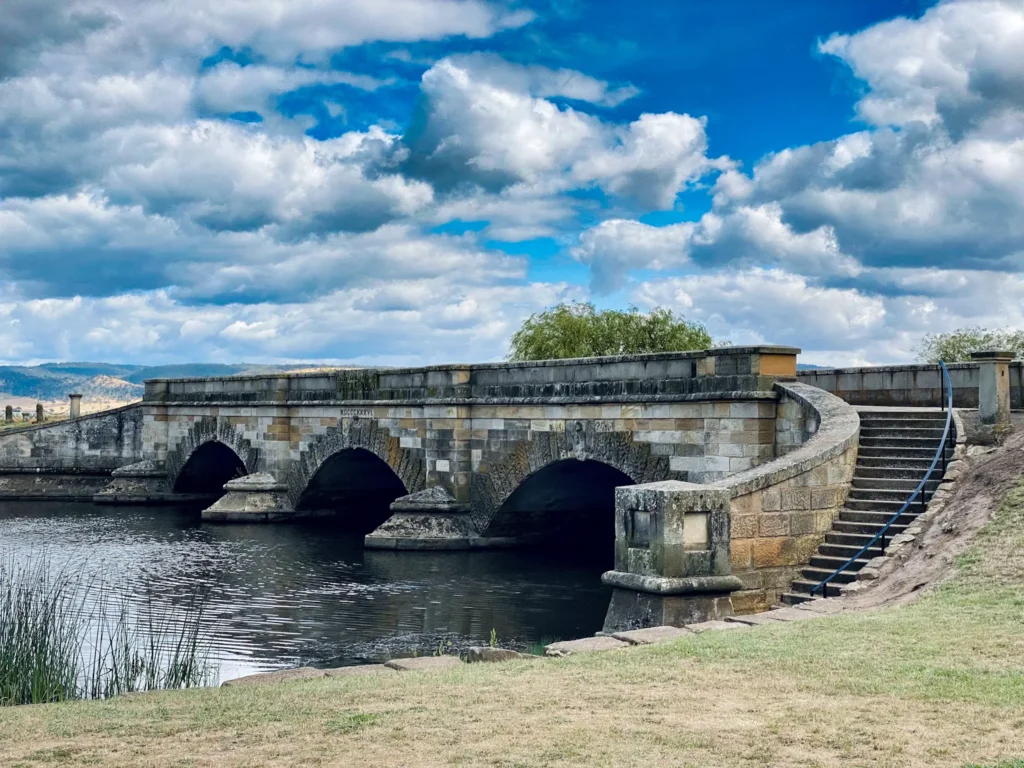
Car hire for 3 days – 330 AUD with full insurance.
A full tank of petrol is 100 AUD.
One day ticket to a national park – 45 AUD.
Northwest Tasmania: Mountain Lakes and Long Hikes
The nearest town is Devonport. This is where the Spirit of Tasmania ferry arrives from Melbourne.
What to Visit
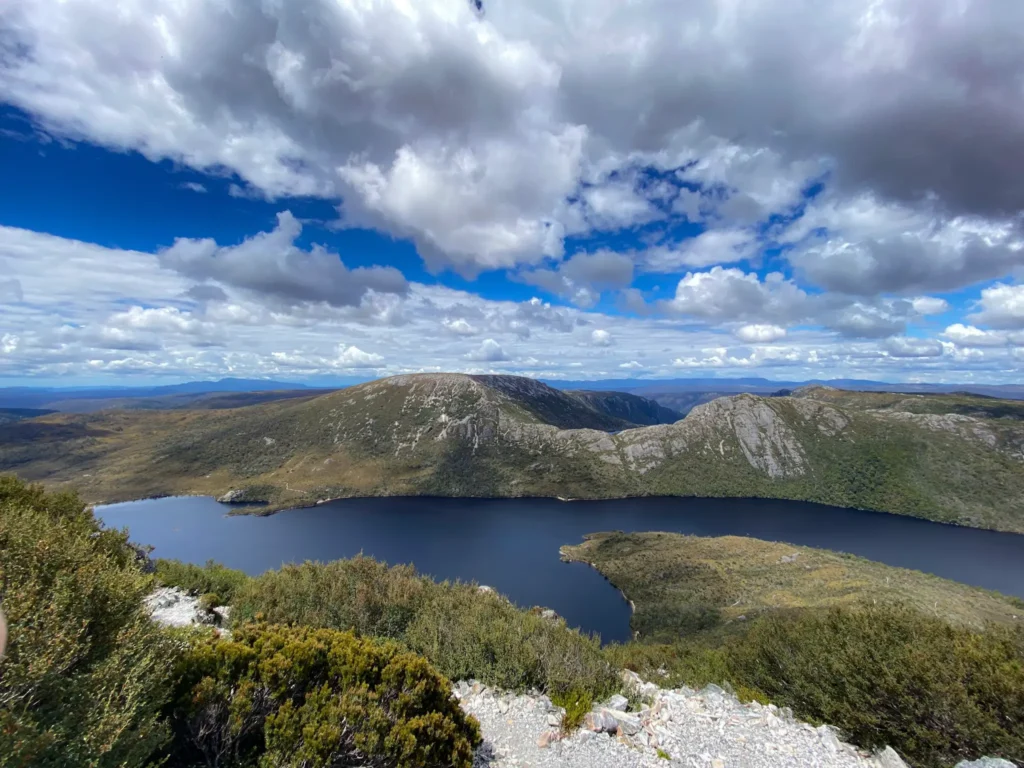
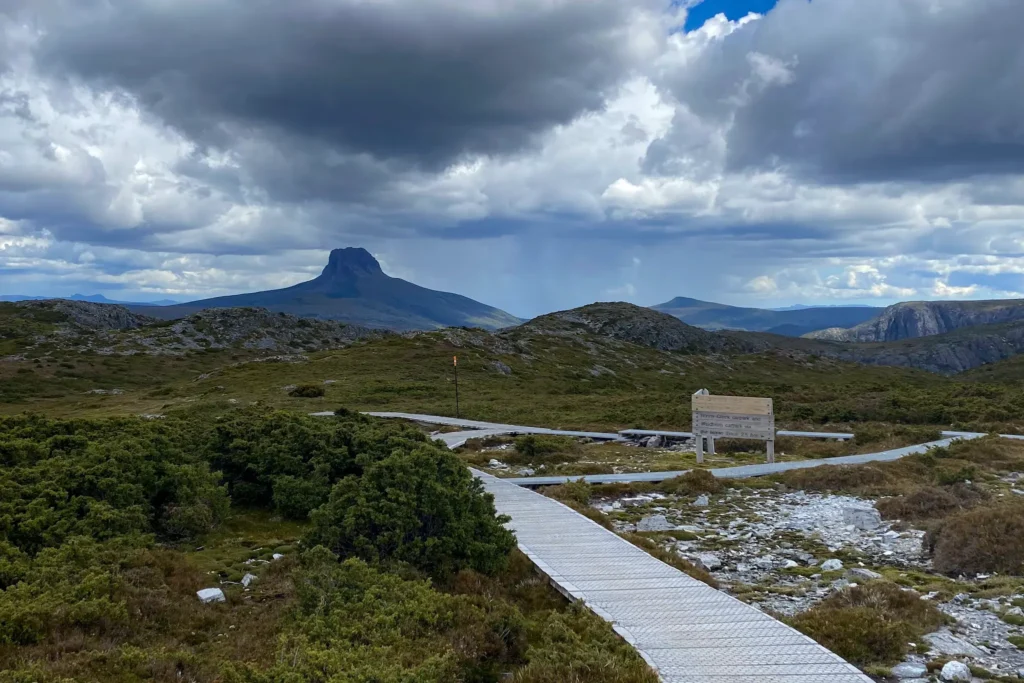
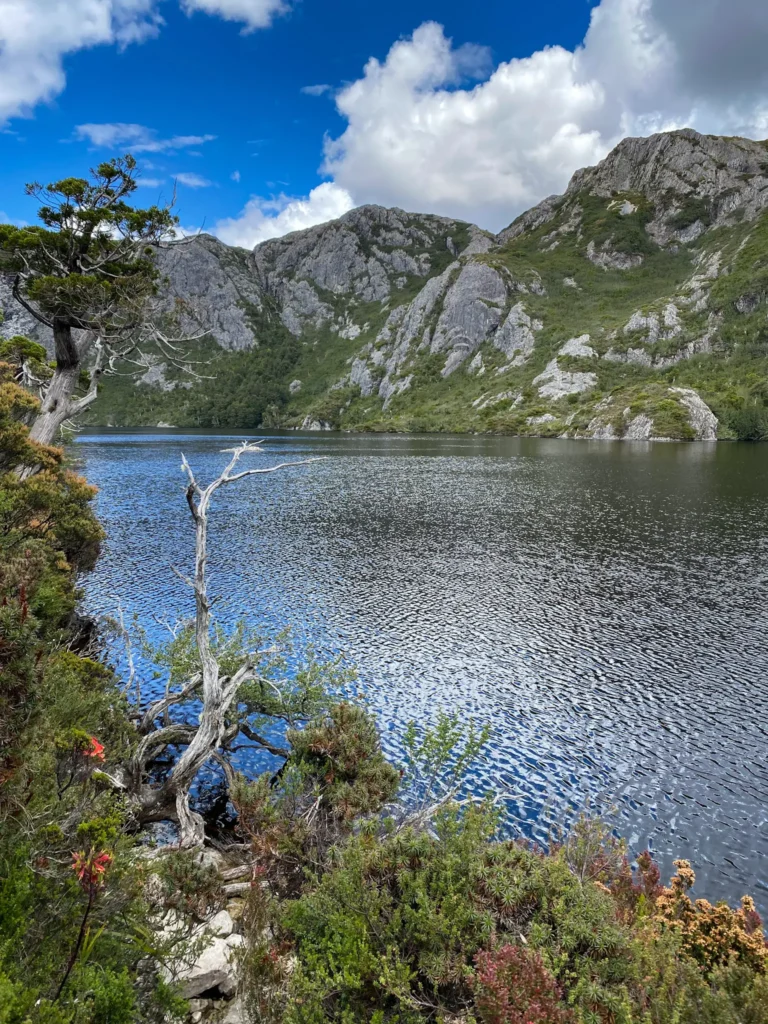
Cradle Mountain is Tasmania’s most famous mountain, a ridge-like ‘sleeping dragon’. If you’re into hiking, opt for the all-day route: blue-eyed lakes, sheer cliffs along which you must carefully scramble, holding on to chains set up by rangers. The mountain is unpredictable: in the middle of a sunny day, an ice storm will come out of nowhere and disappear in minutes. The rocks crunch underfoot, the trees are bent by the cold winds, and the silent horizon gets further and further away. Stop at the car park here and hop on the shuttle, which runs every 15 minutes and takes you to the start of all the hiking trails.
But even if this adventure isn’t to your liking, Cradle Mountain Park is still worth a visit: there are great views from the observation decks where the shuttle bus stops, and a short walk will take you to the crystal lake below the mountain.
Another way to experience Tasmania’s mountain scenery is with a cruise on Lake of the Woods (book here, for example). If you look at a map of the island, you will notice that almost nobody lives in the western part of the island – all because of the difficult natural conditions and cold. There are no petrol stations and shops, only prehistoric forest and deserted narrow roads. Take with you water, a snack and the mood of an adventurer.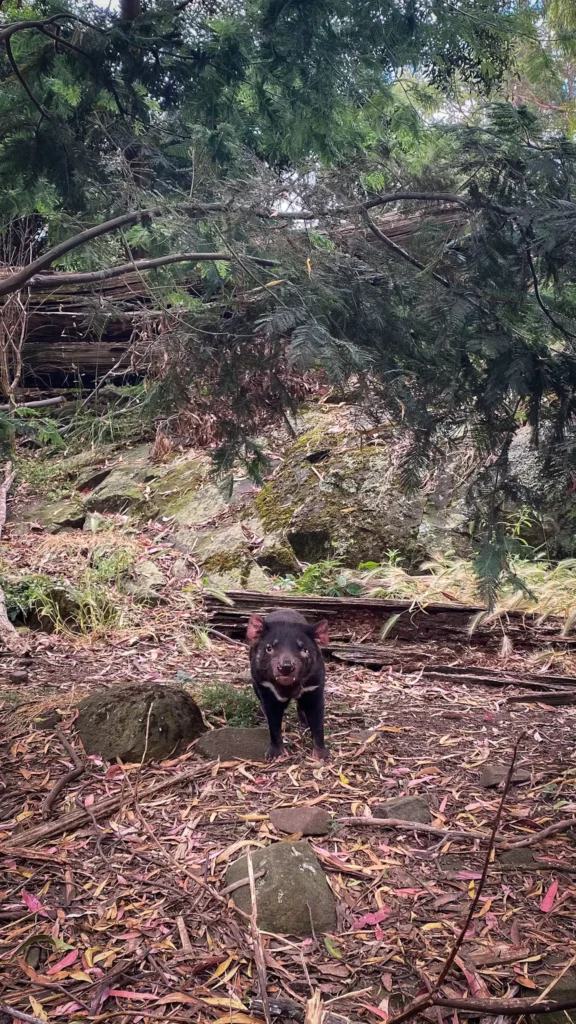
Recuperate from your mountain walks at the chocolate factory, or search for and taste truffles at the truffle farm.
At Lillico Beach near Devonport you may spot penguins at dawn or dusk, but be discreet.
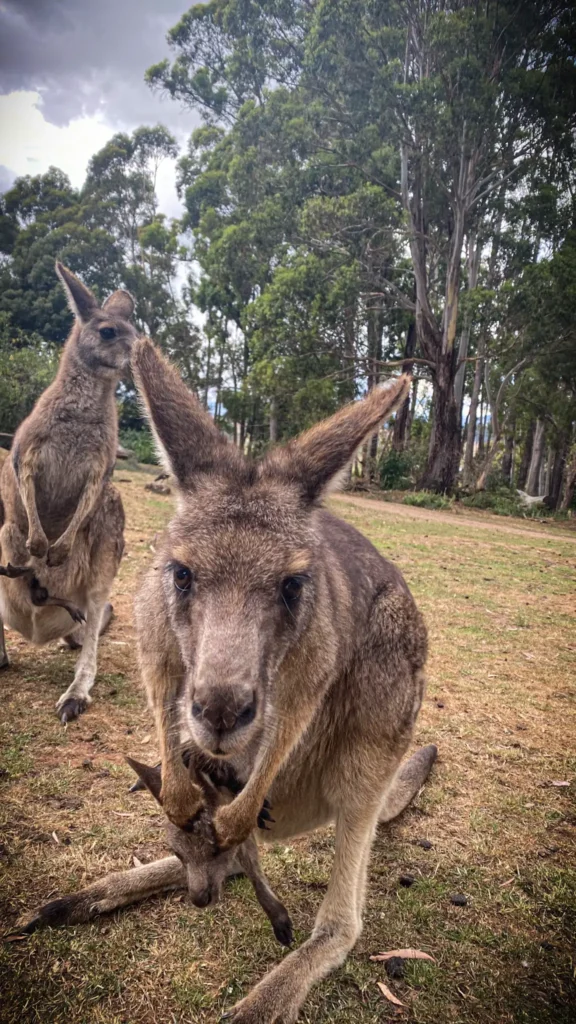
It’s a good time to meet a local legend – an animal with a creepy name and an equally creepy voice – the Tasmanian Devil. Devils are difficult to see in the wild – they are unsociable animals that hide deep in the forests. But you can meet them in the Trowunna Wildlife Sanctuary. It’s a sanctuary for animals that for some reason can’t live in the wild, such as a baby wombat whose parents were hit by a car, as well as animals involved in species protection and recovery programmes. There’s a large natural area where kangaroos and wallabies roam, and where you can spend a leisurely afternoon chatting with volunteers and watching their pets.
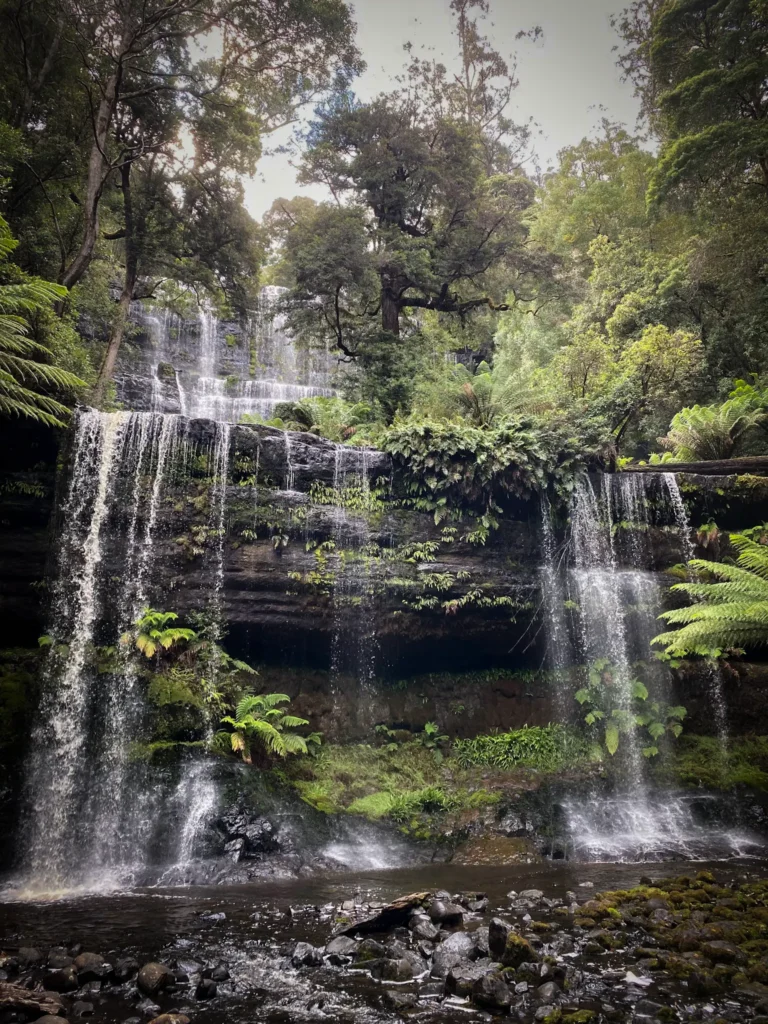
Travelling across Tasmania, you’ll find a whole collection of waterfalls. There are countless of them scattered across the north-west region, you can simply look at a map and pick your favourite or follow the signs on the road. The most famous are Liffey Falls, Montezuma Falls, Russell Falls and Forth Falls.
South and Hobart: Antarctica and Contemporary Art
The local joke is that you can drive from Devonport to Hobart in 3 hours if you don’t get stuck behind a tractor. You will! And more than once. Tasmanian roads are much slower in reality than Google maps show. You can get stuck not only behind the slow-moving machinery that is everywhere, but also while waiting for a petrol station attendant in a miniature town, for lunch at a winery to languish leisurely in the oven, or on a walk to a waterfall. And finally, finding your Airbnb at dusk on a hill with no signposts or internet.
What to Visit
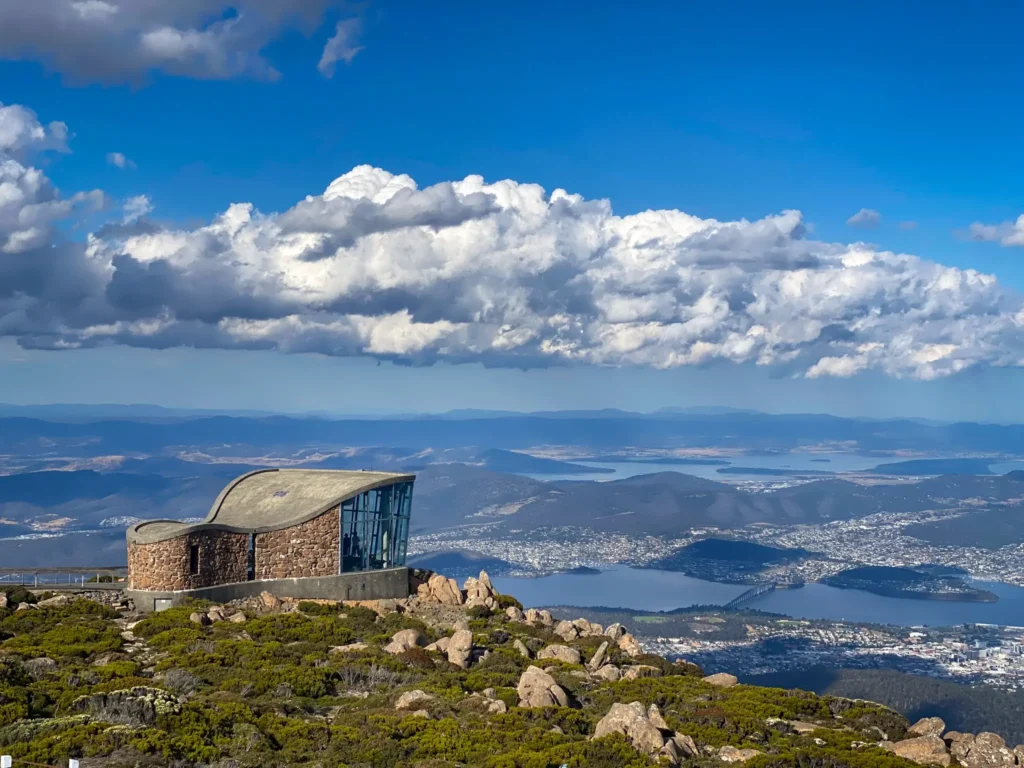
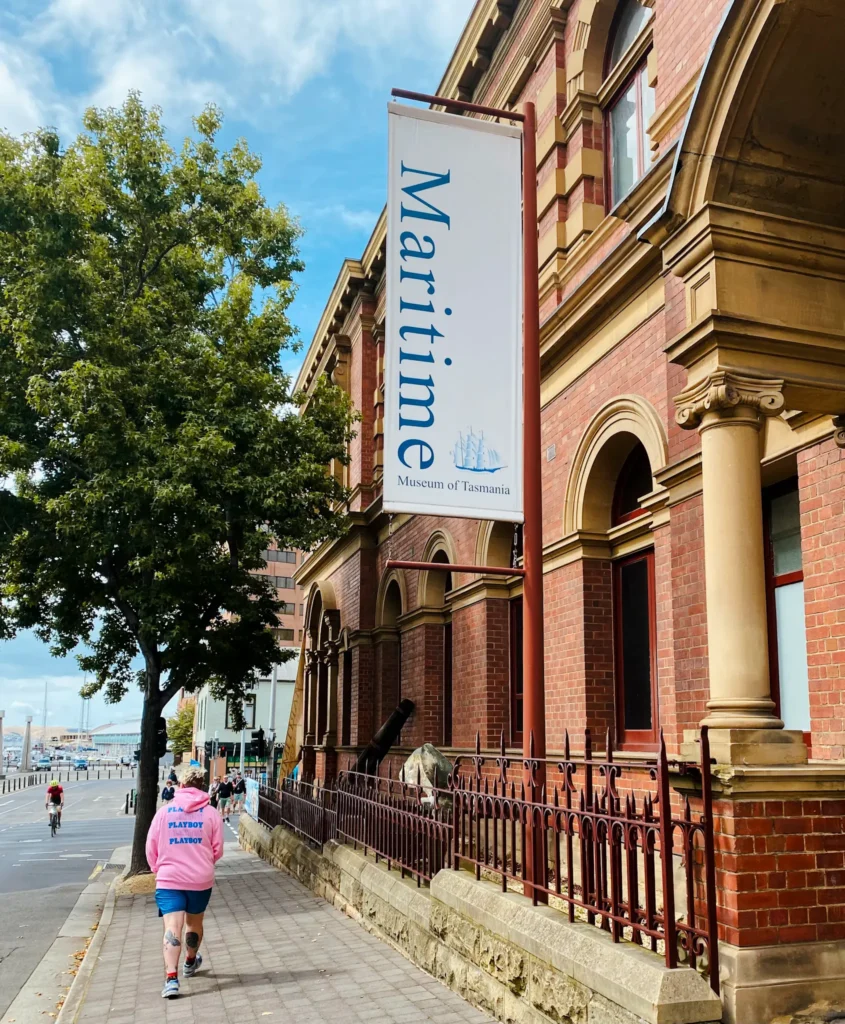
Tasmania’s capital Hobart deserves a special mention. Nearly half of the island’s population lives here, and despite its remoteness from both the rest of the world and mainland Australia, it’s a modern, well-maintained, vibrant and well-organised city. Antarctic expeditions have been sailing from Hobart harbour for over 150 years, icebreakers rest here and the pioneering spirit that brought James Cook and Roald Amundsen here is in the air. Learn how early Antarctic explorers lived at the Mawson’s Huts replica museum.
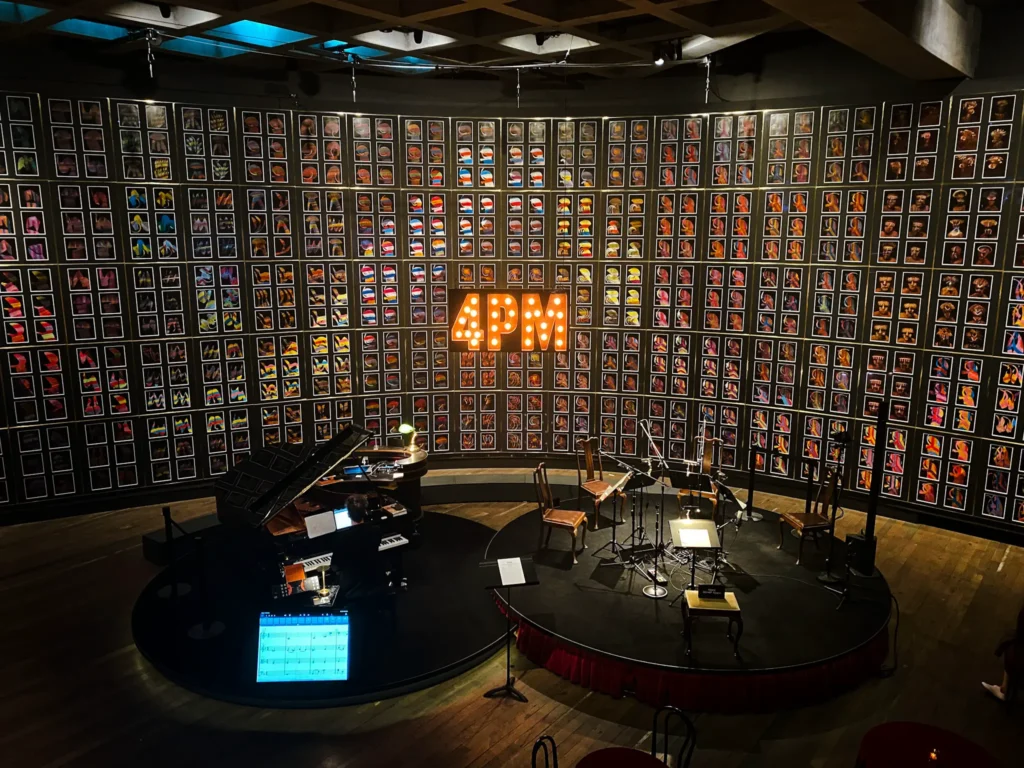
Another important museum in Hobart is the MONA Museum of Old and New Art. The contrast of wild, rustic Tasmania and how such a high-tech and poignant project has grown and thrived on the very edge of the earth is amazing. Mona literally embodies a waterfall of news, space dust turns into cities before your eyes, and spiders weave neural nets in their spare time. Interactive rooms and psychological tricks all take place surrounded by paintings of classical paintings and family crockery of the kings of Great Britain. It’s easy to spend all day in the museum, with refreshments at the bar, which is at the same time an exhibit in this museum of the impossible.
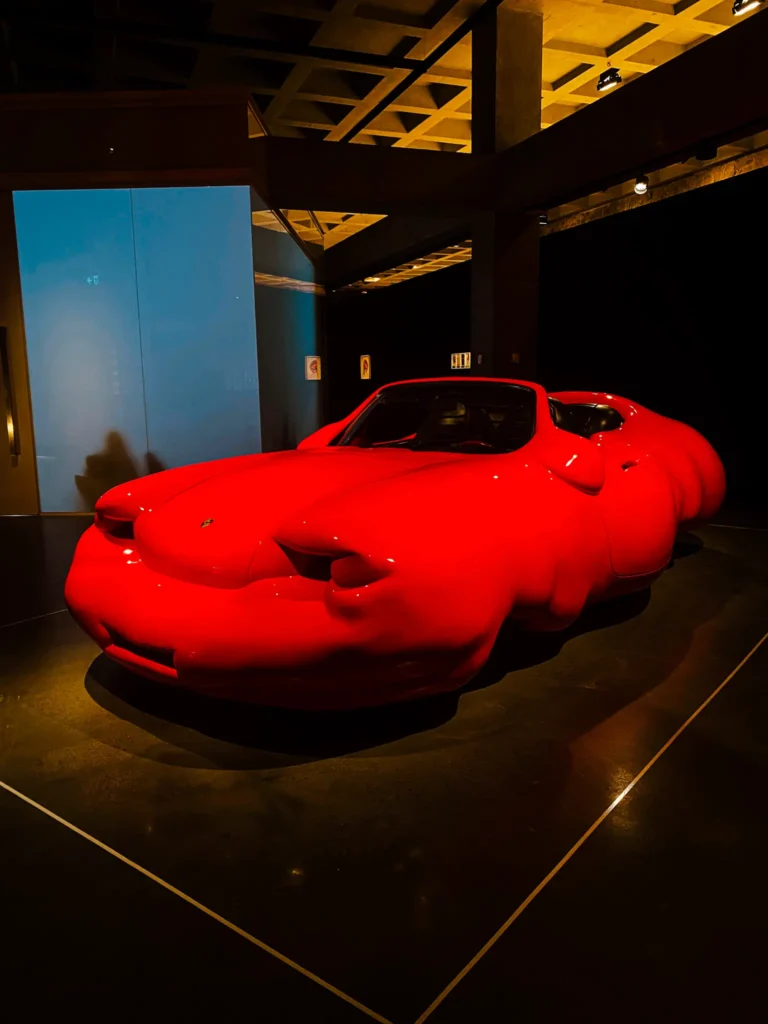
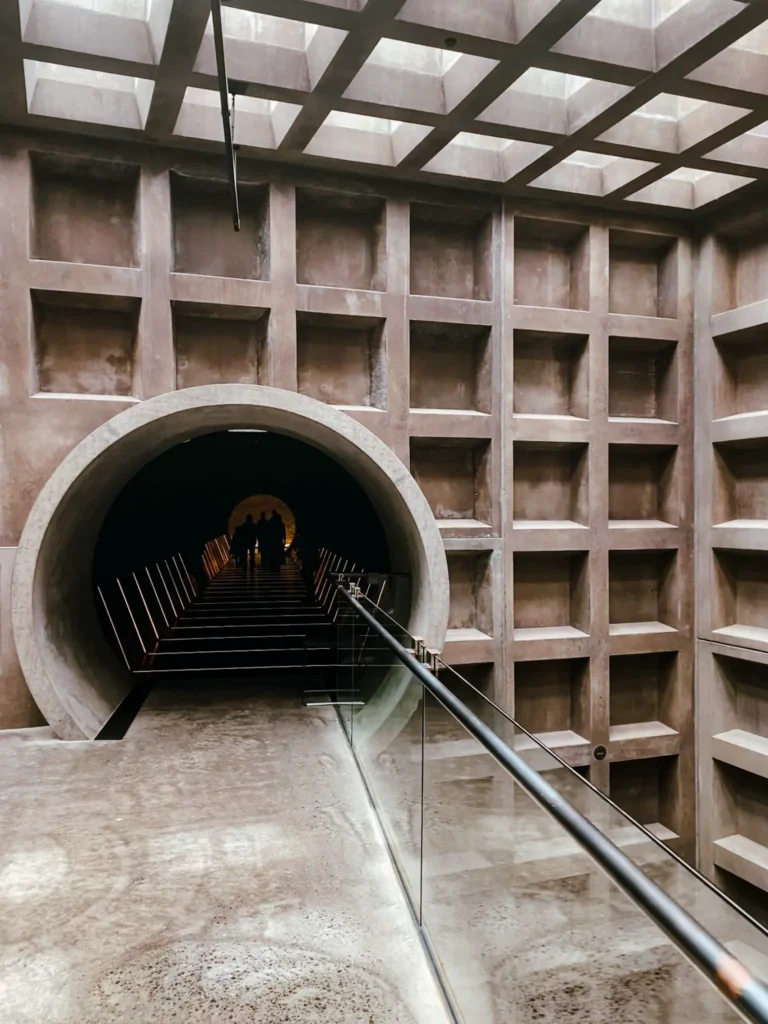
After MONA, you’ll definitely want to air out and get your scattered thoughts back together. Picnicking on Mount Wellington is a popular pastime for locals and tourists alike. It will be crowded, windy and incredibly beauty.
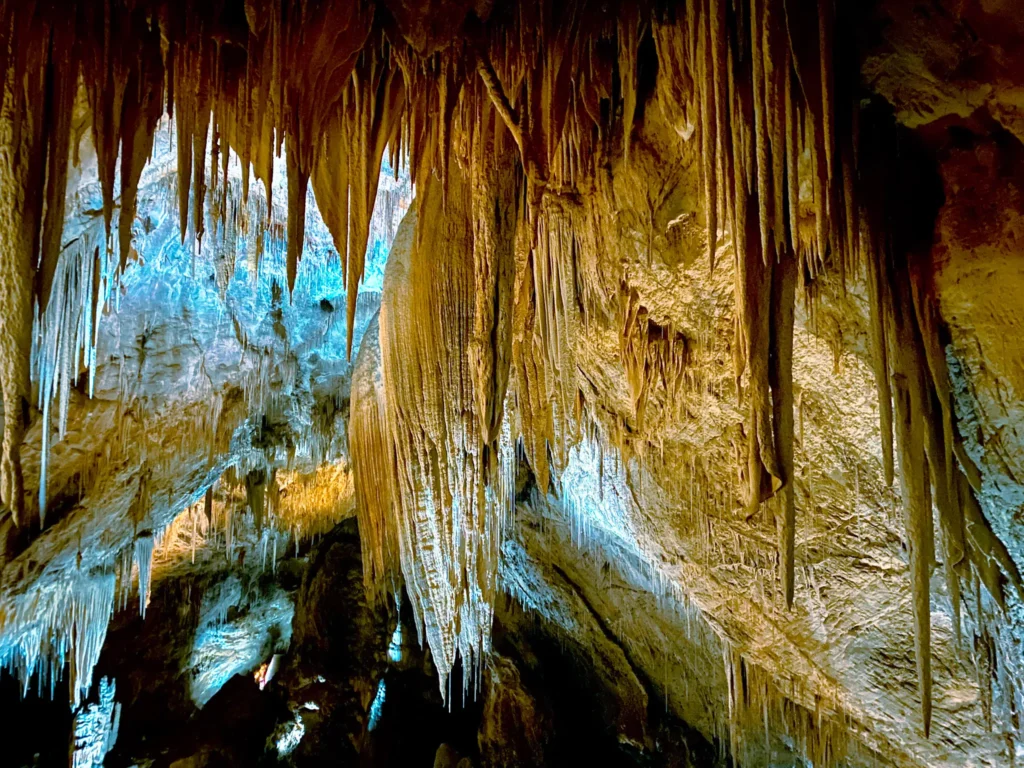
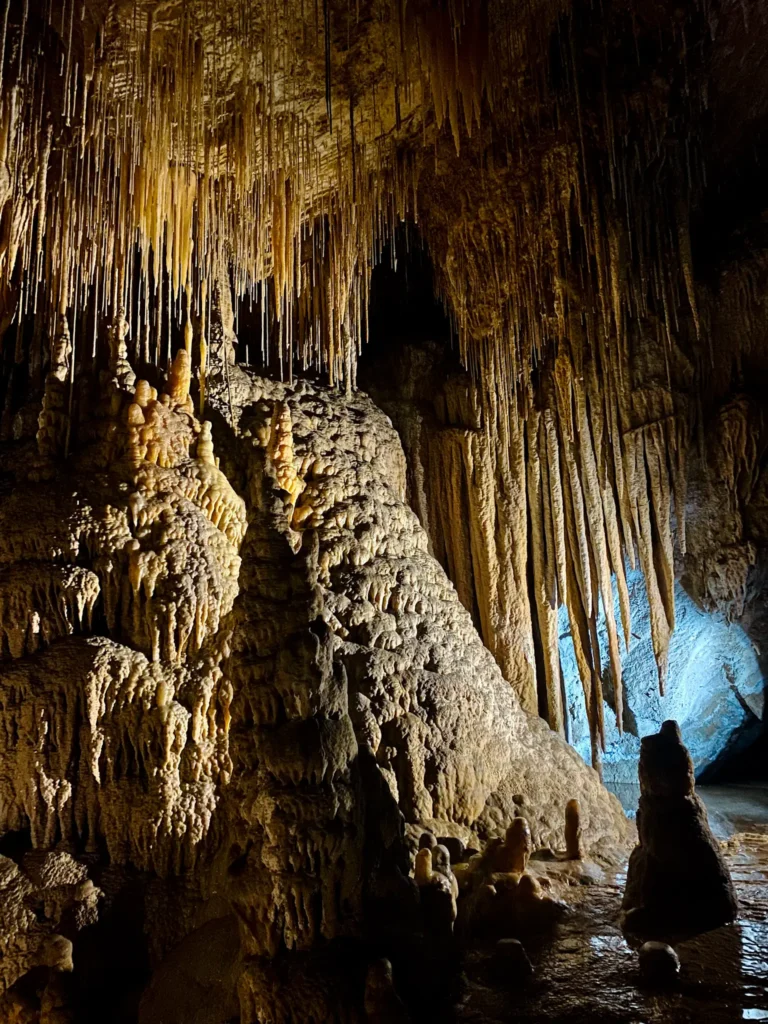
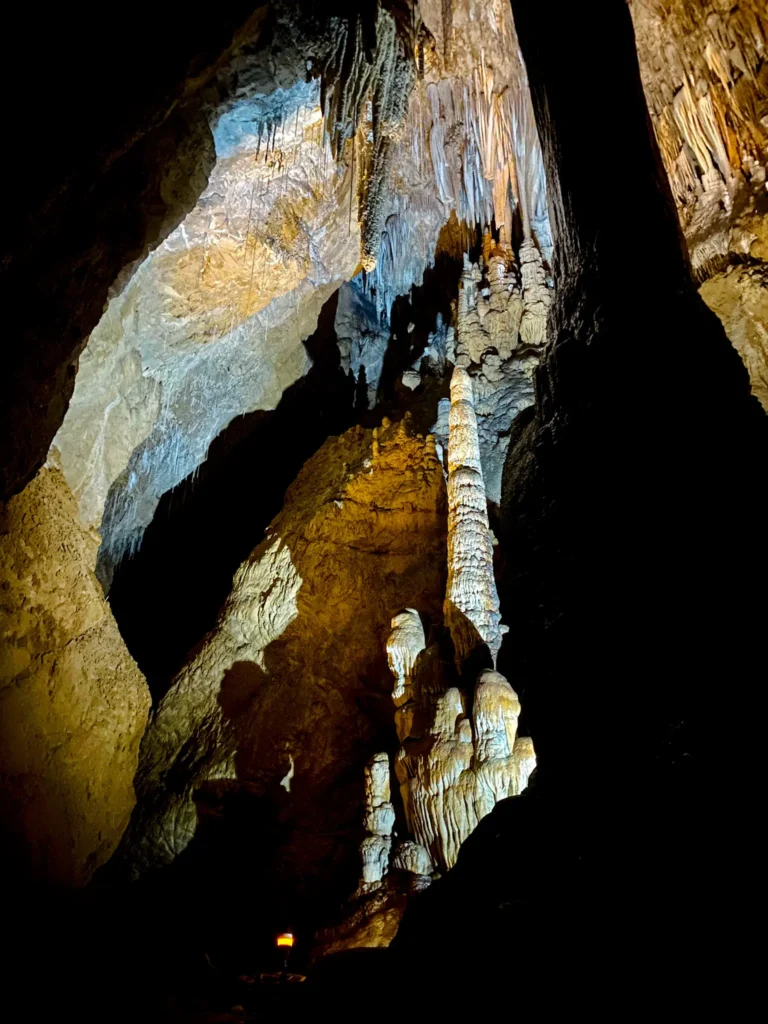
Hastings Caves near Hobart was formed more than 40 million years ago – before Tasmania became an island. Since then, according to the guide, the place has been the same: cold and dark, slippery icy formations of floating rocks, stalactites, columns, shawls, straws, helictites, stalagmites and other oddities. The caves are only accessible with a guide and on a scheduled basis.
The modern history of Tasmania, like some other states in Australia, begins with the settlement of British exiles here. At the Port-Arthur Historic Site, you can listen to the stories of the prisoners and learn that not all of them were as ‘vicious’ criminals in the modern sense as it is usually said: for example, how the Irish revolutionaries on the ship during the long journey into exile published a weekly newspaper with poems, reports and cartoons, or what professions were especially welcome in the new colony. For more women’s stories, there’s another location, the Cascades Female Factory.
Cape Raoul – An intense hike with a reward – a view of harbour seals basking in the sun on pillar rocks by the sea. Bring binoculars or a camera with a good zoom: you’ll hear the seals first and only later realise where to look.
In pursuit of the best, head to Bruny Island . It produces Australia’s southernmost wine and is home to one of the southernmost distilleries in the world. It’s the best place to see the southern lights and penguins – you’ll need to stay overnight for that. You can climb Australia’s oldest lighthouse to see the horizon with only Antarctica beyond, or take a walk through the forest, home to the planet’s only albino wallabies. There’s a ferry to Bruny Island, where for 50 AUD you can cross the small strait from the comfort of your car. The ferry has a timetable, but the captain doesn’t seem to think about such minutiae and the ferry runs as he sees fit. Just buy your ticket online for an approximate time, arrive at the pier and queue for the crossing.
East Coast: White-Sand Beaches and the Tasman Road
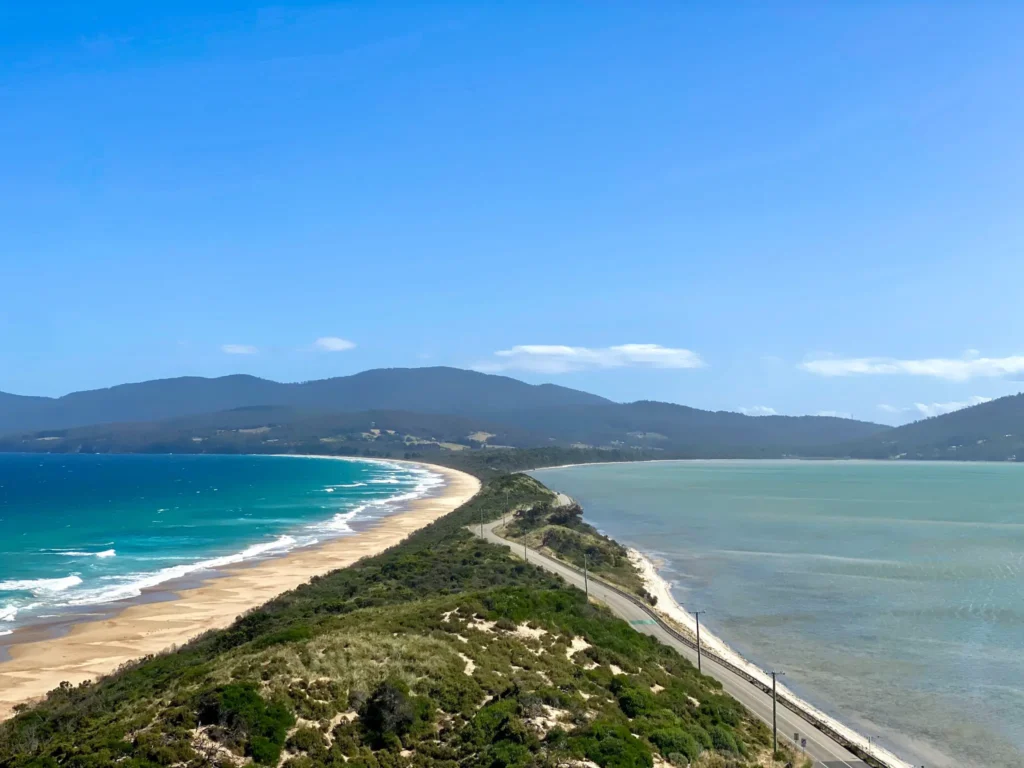
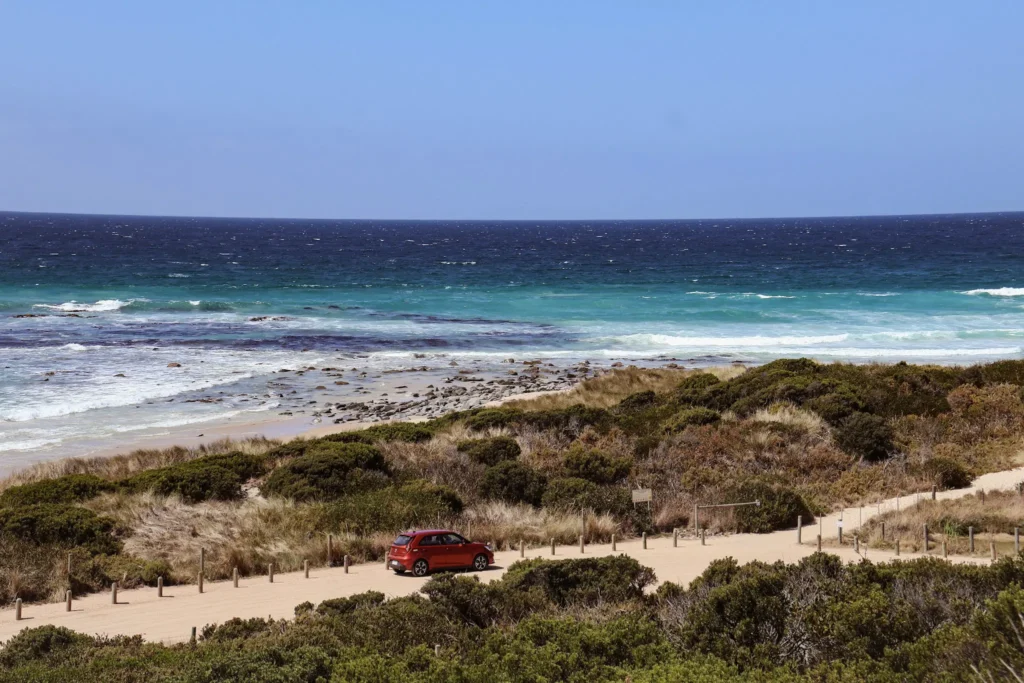
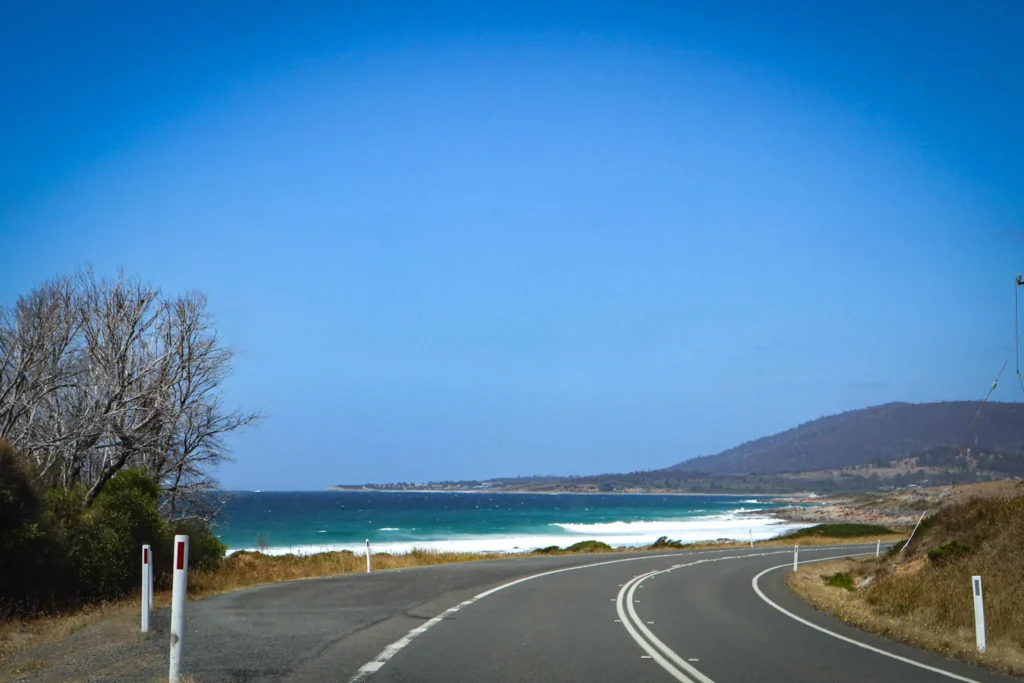
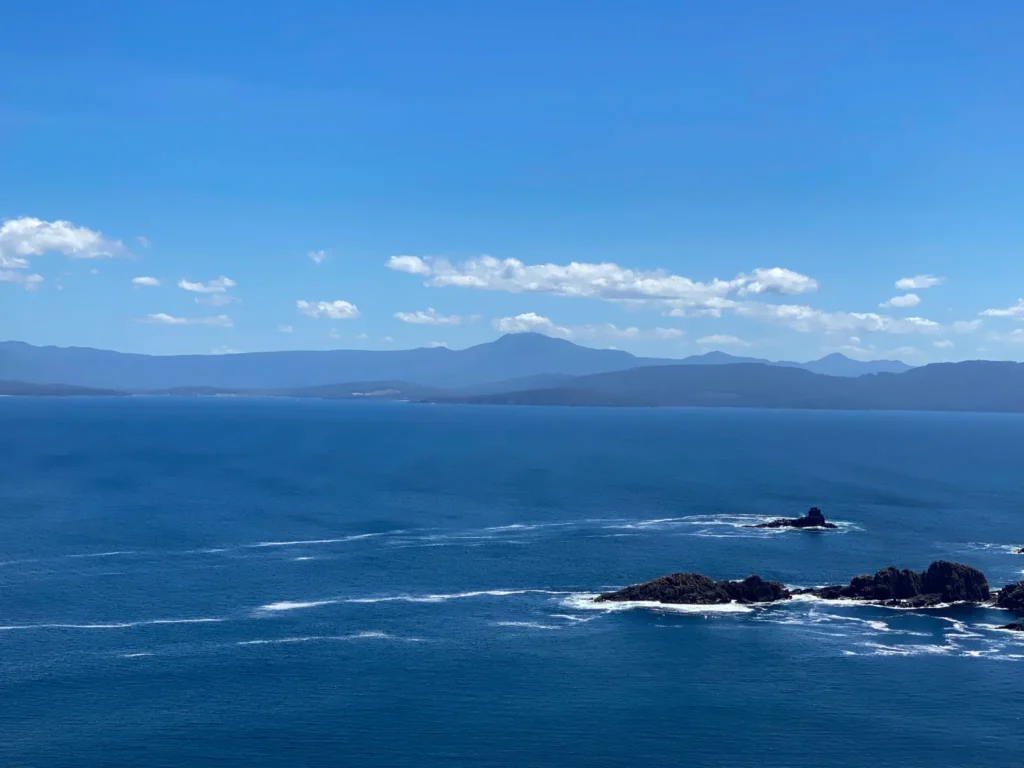
The Tasman Highway connects Launceston and Hobart across the east coast, revealing endless Pacific beaches and cosy coastal towns. You’ll have to stop every few minutes for the epic scenery, as the road is as epic as Australia’s famous Great Ocean Road in Victoria.
What to Visit
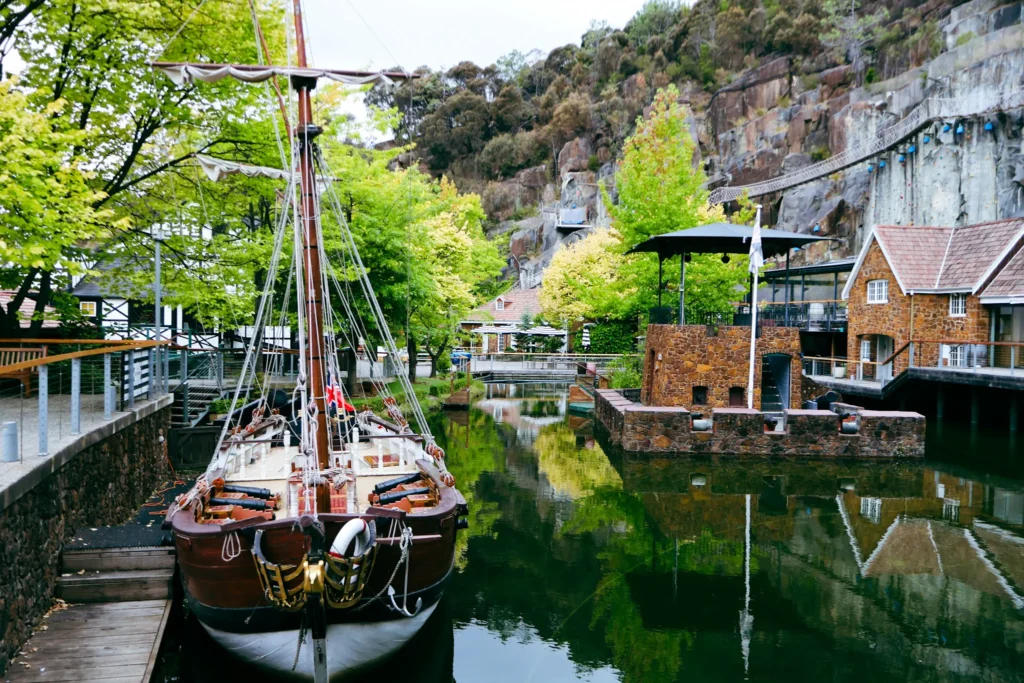
Launceston is the island’s bustling northern hub. Walking around the city, you can stop by Royal Park with its museum, and Penny Royal Amusement Park. A short walk from the city centre is the canyon that gives rise to the Tamar River, and from King Bridge you can take artistic photos of the steep rock-walls of the canyon. Follow the left side along the river to ride the cable car, walk across the suspension bridge over the waterfall and swim in the natural pools.
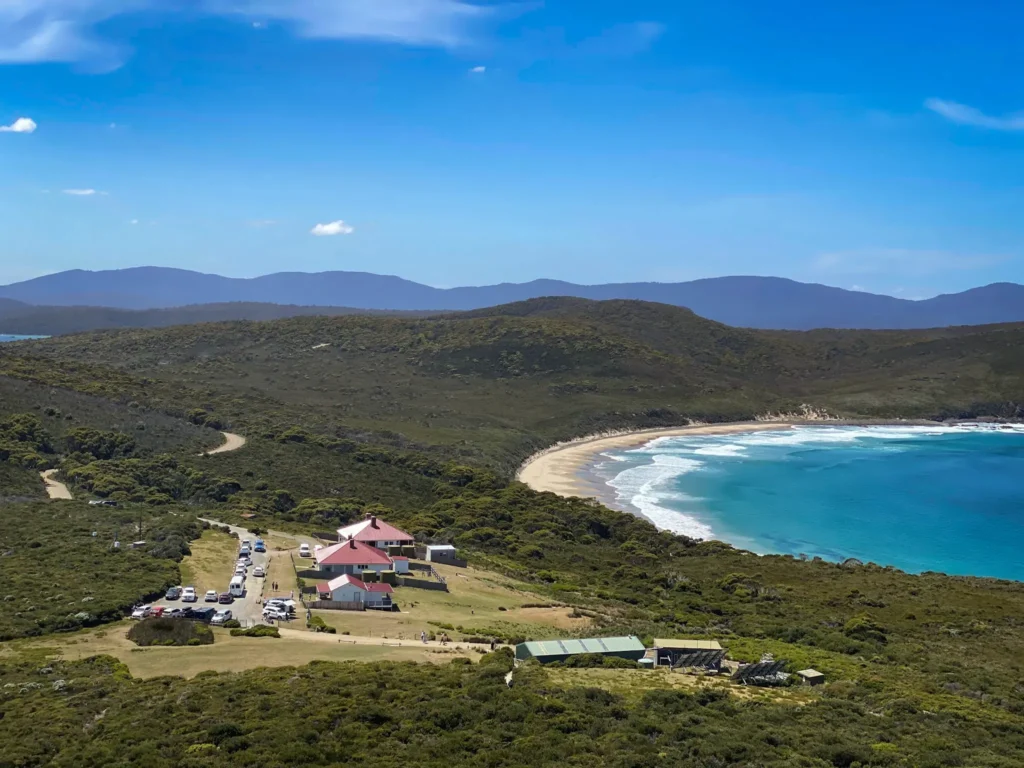
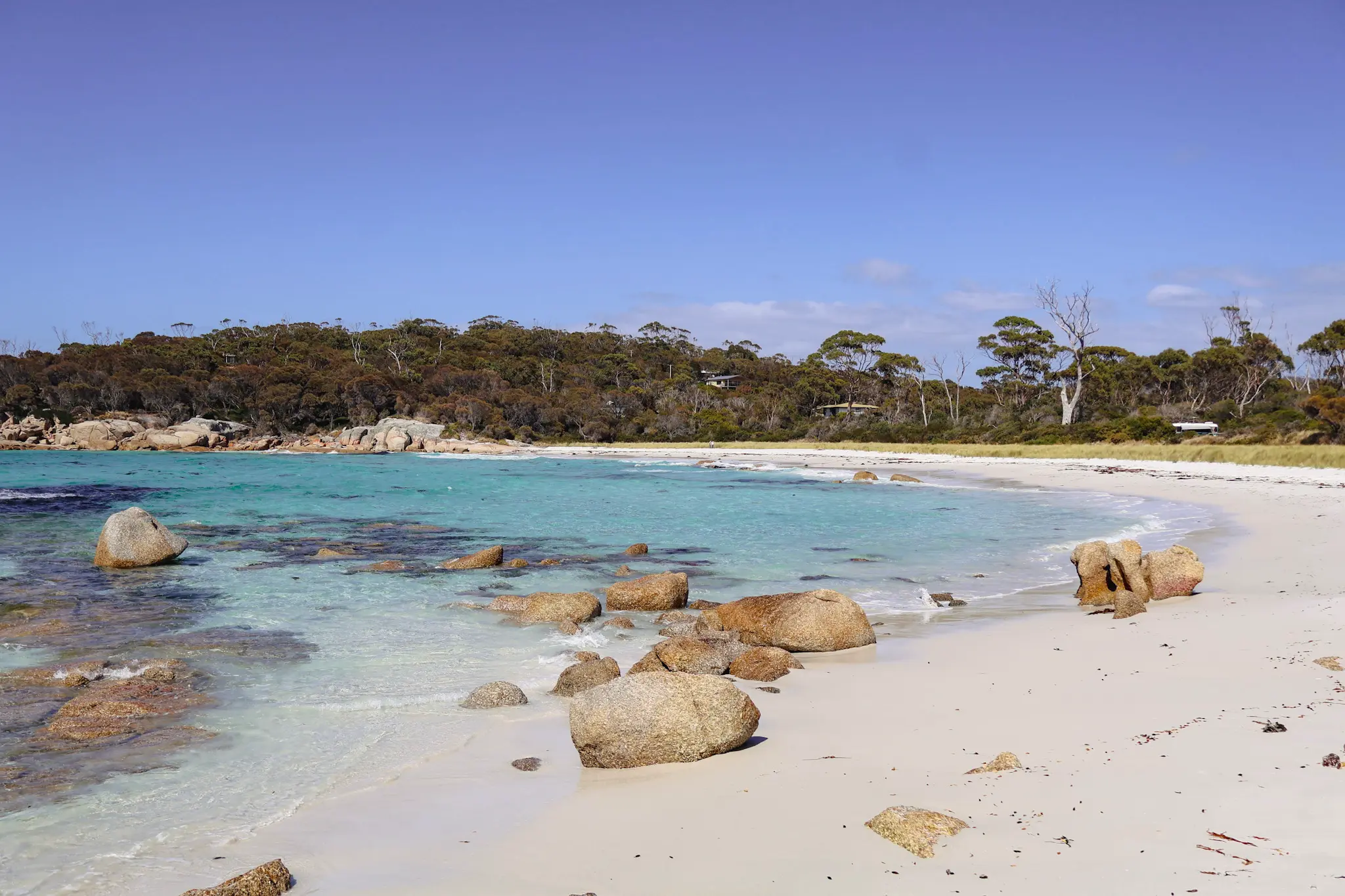
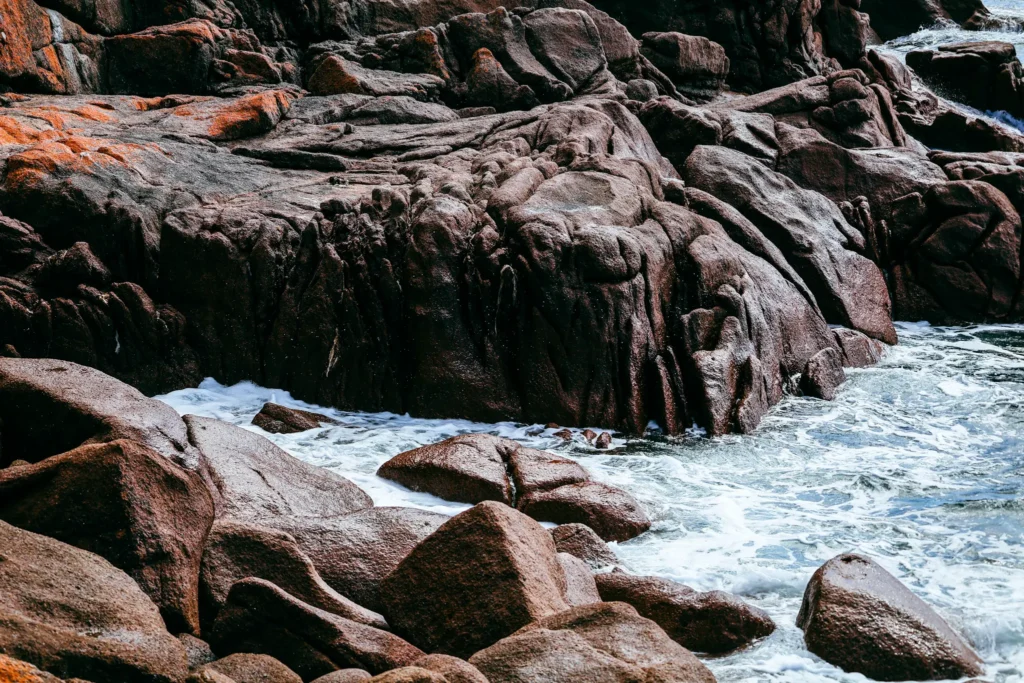
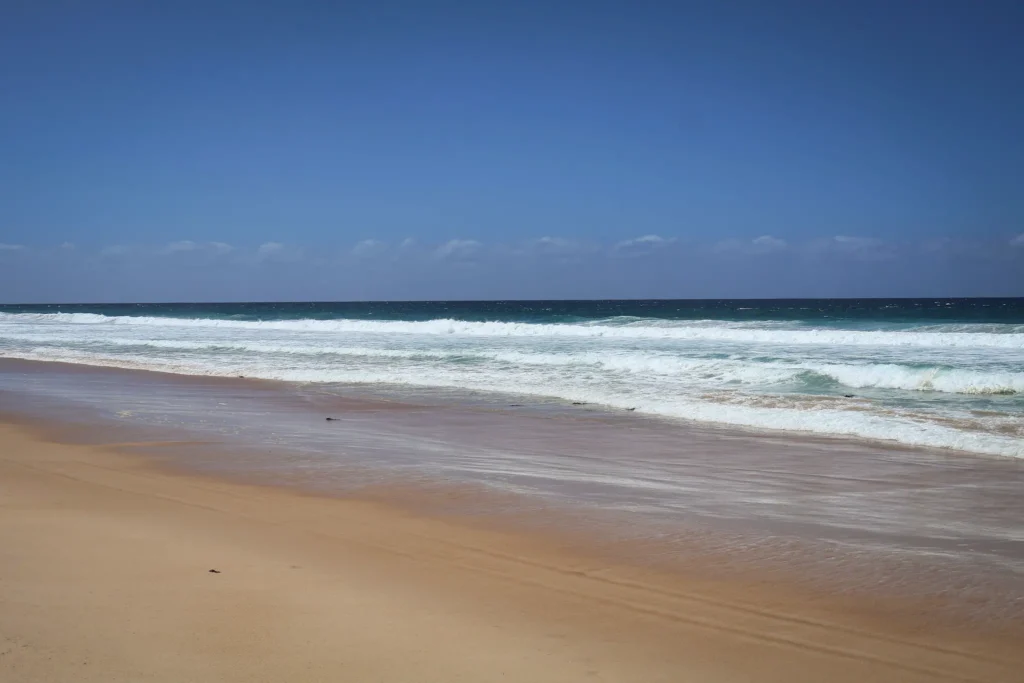
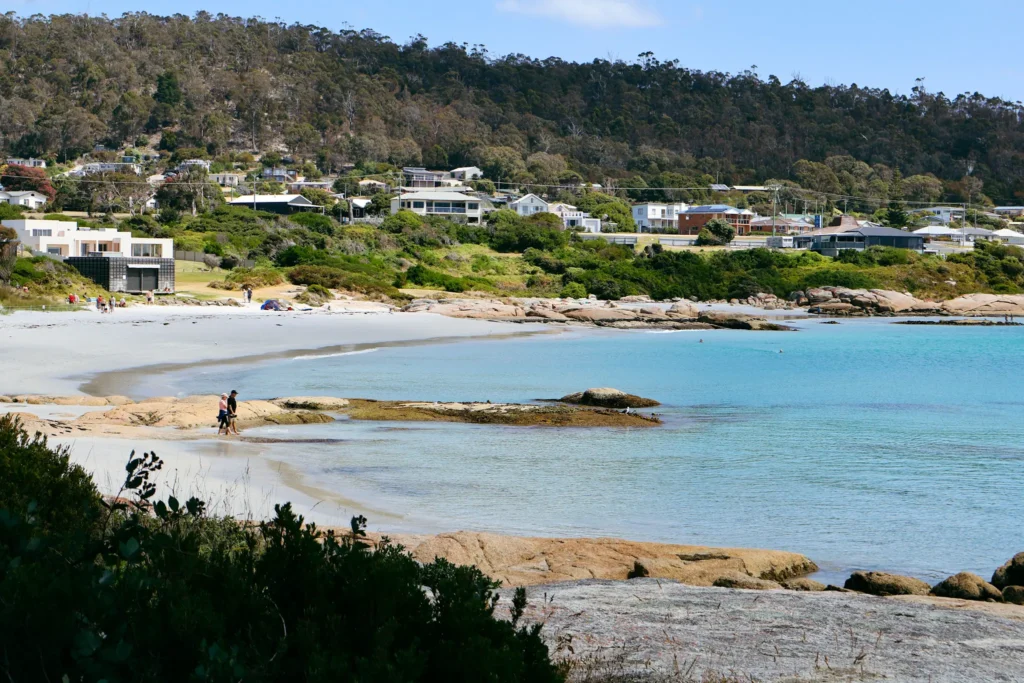
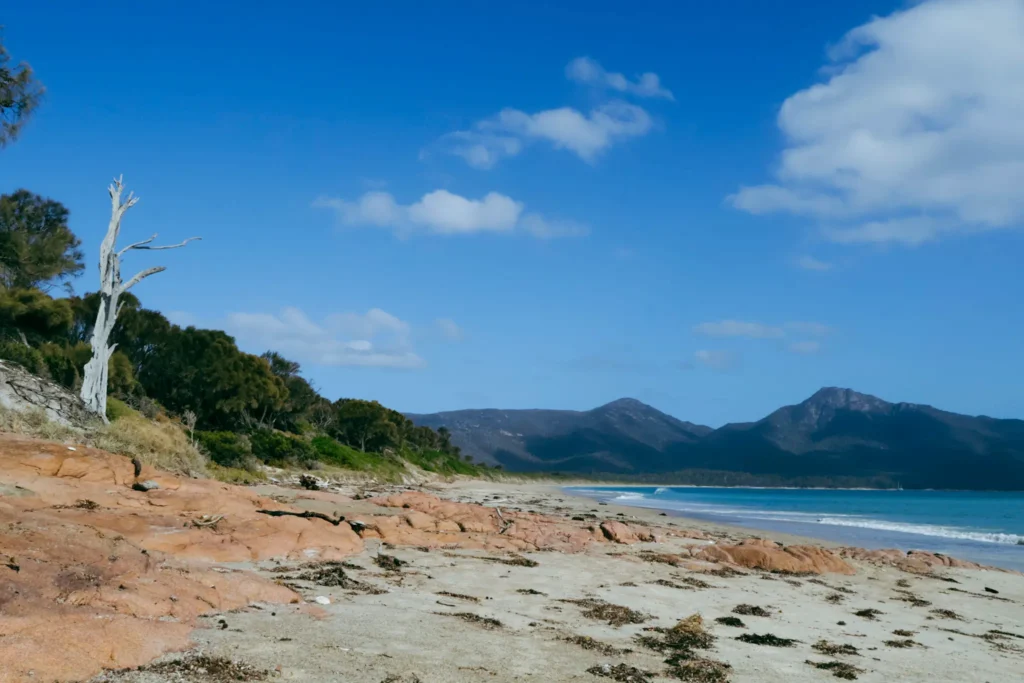
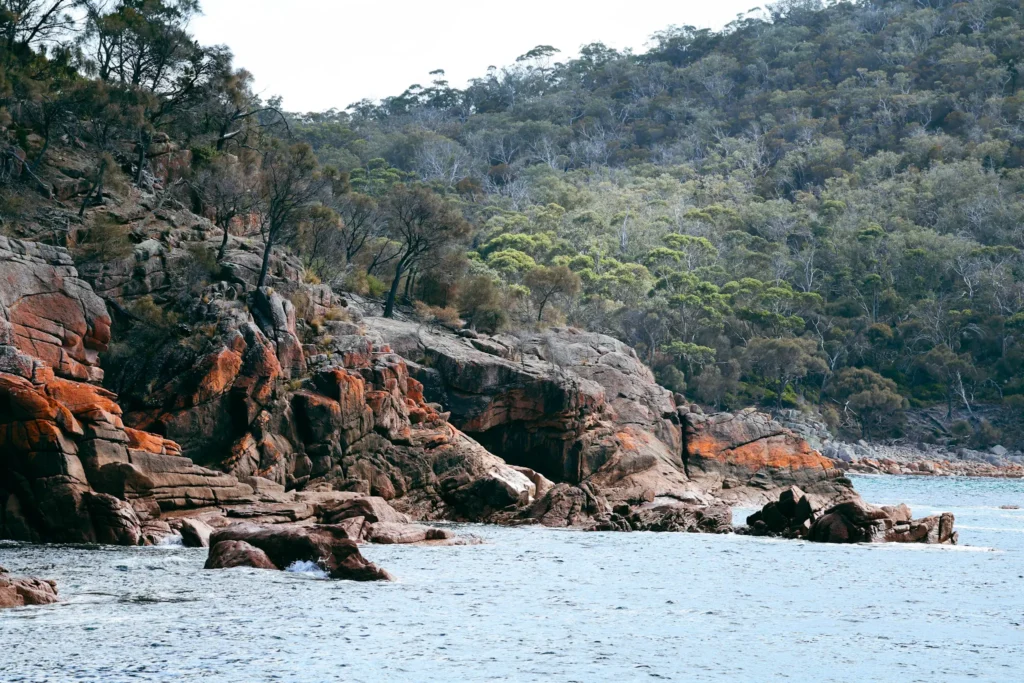
Bay of Fires. At dusk, the huge orange rocks take on a particularly alien appearance and the bay is completely transformed from what it looks like on a sunny morning. If you stay overnight, you can catch all these metamorphoses by walking barefoot on the snow-white and weightless sand, like icing sugar. You’ll feel like you’re the first person to leave footprints on this beach, so pristine and deserted it looks. Nearby Cove of Lights is the small town of St Helens , famous for its fishing, so you can find fresh seafood for dinner in every shop and restaurant.
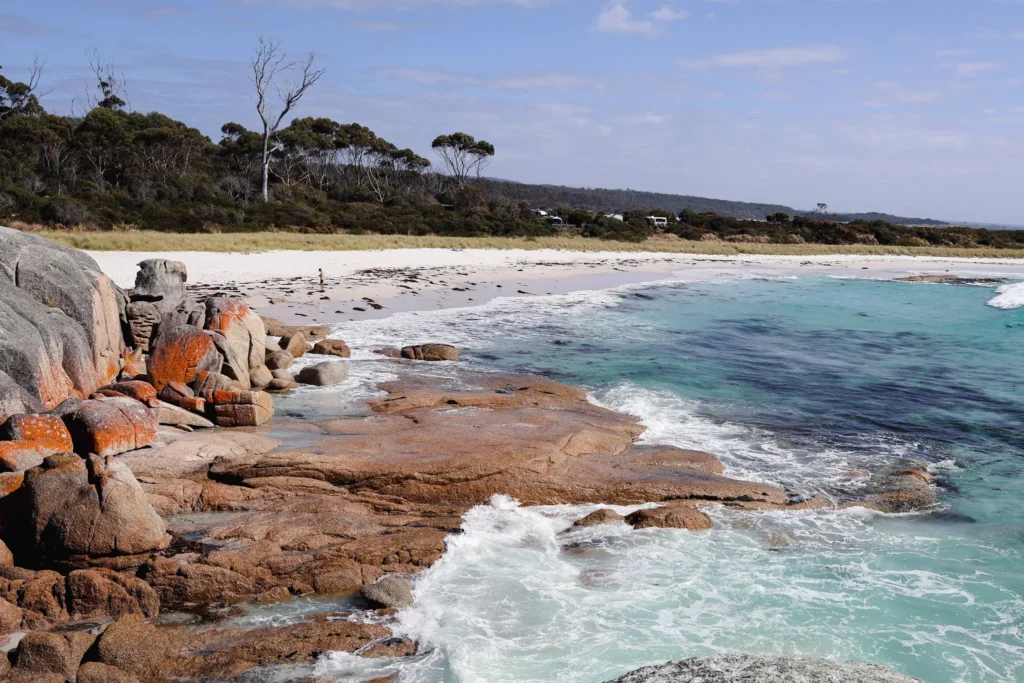
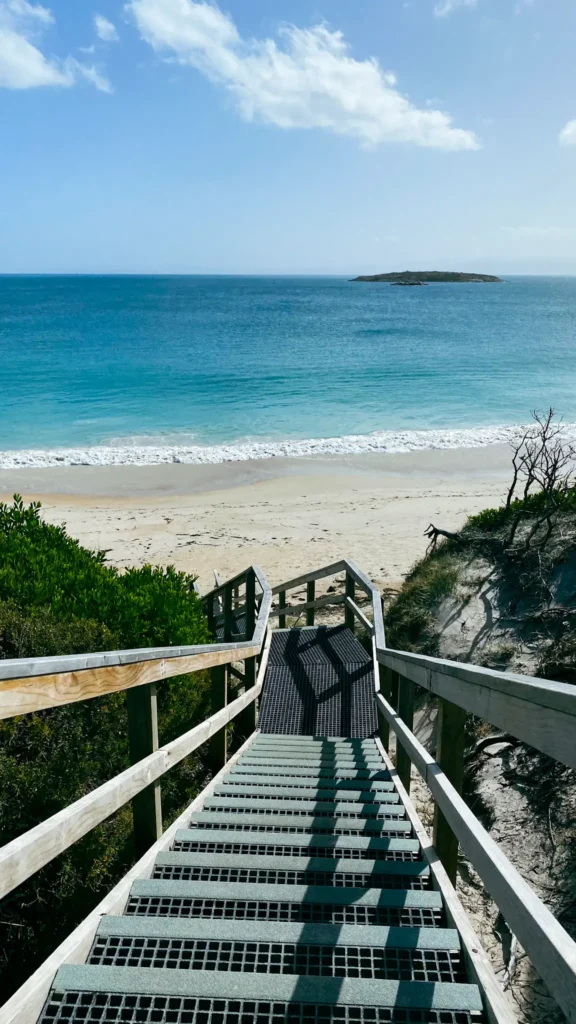
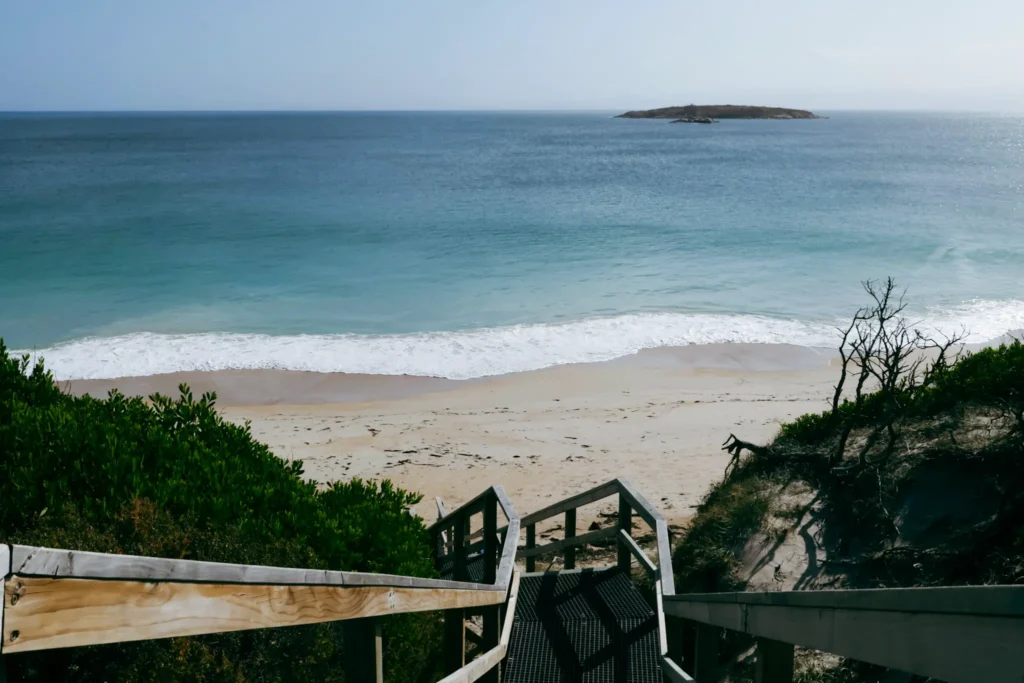
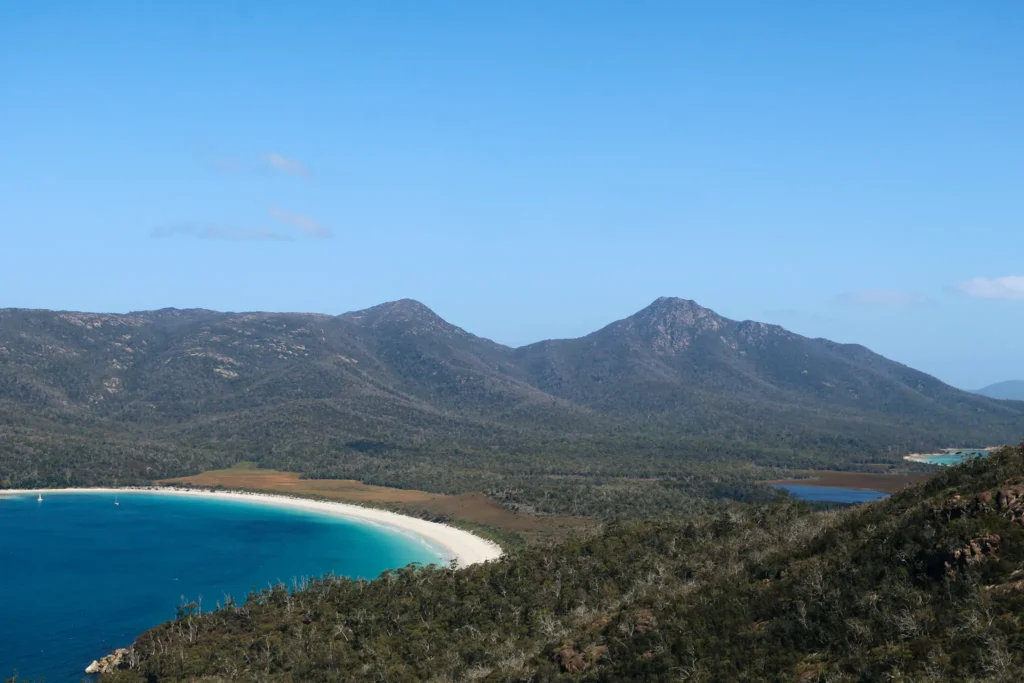
Wineglass Bay is so named because it’s shaped like a wine glass. It’s another Tasmanian postcard view along with Cradle Mountain, which is a good walk to get to. You’ll have to leave your car at this car park, there are no further roads. The trek to the first lookout takes about an hour one way with a steep climb, and another hour to Wineglass Bay beach itself. Bathing is rare on this idyllic coastline, with Tasmania’s water temperatures never rising above 16-17 degrees Celsius.
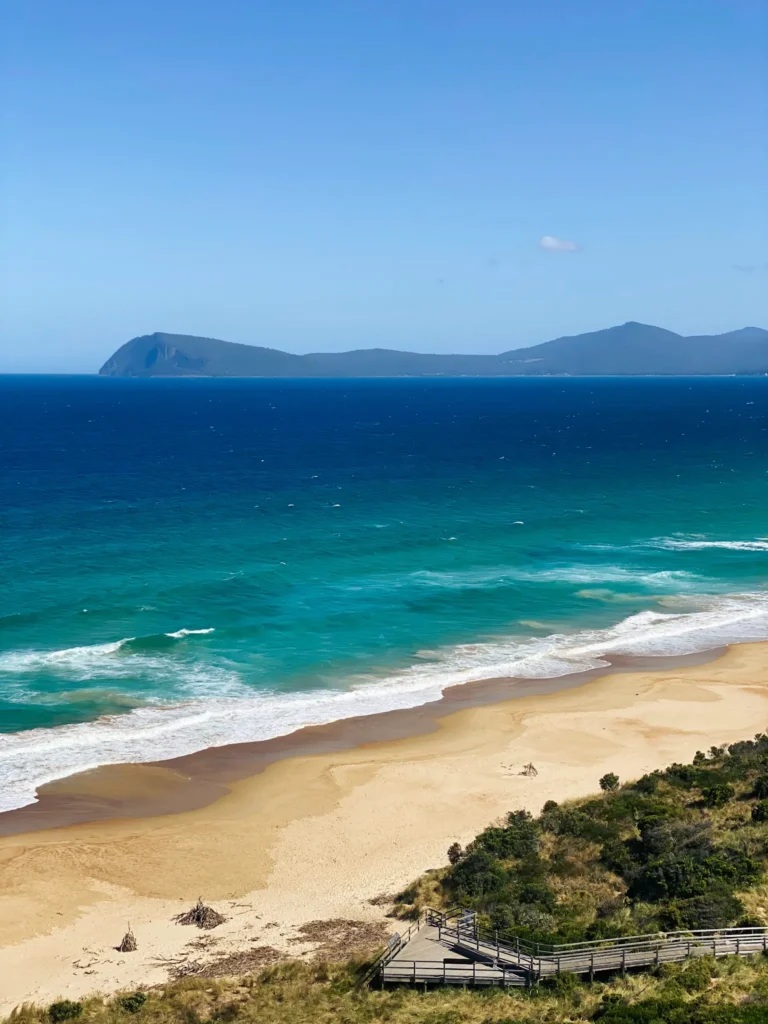
Hazard Beach is an airy, sun-drenched beach at sunset, a secret beach with lots of giant shells as a reward for those who make it here. Encounters with baby wallabies are guaranteed on the forest trail that leads to this beach.
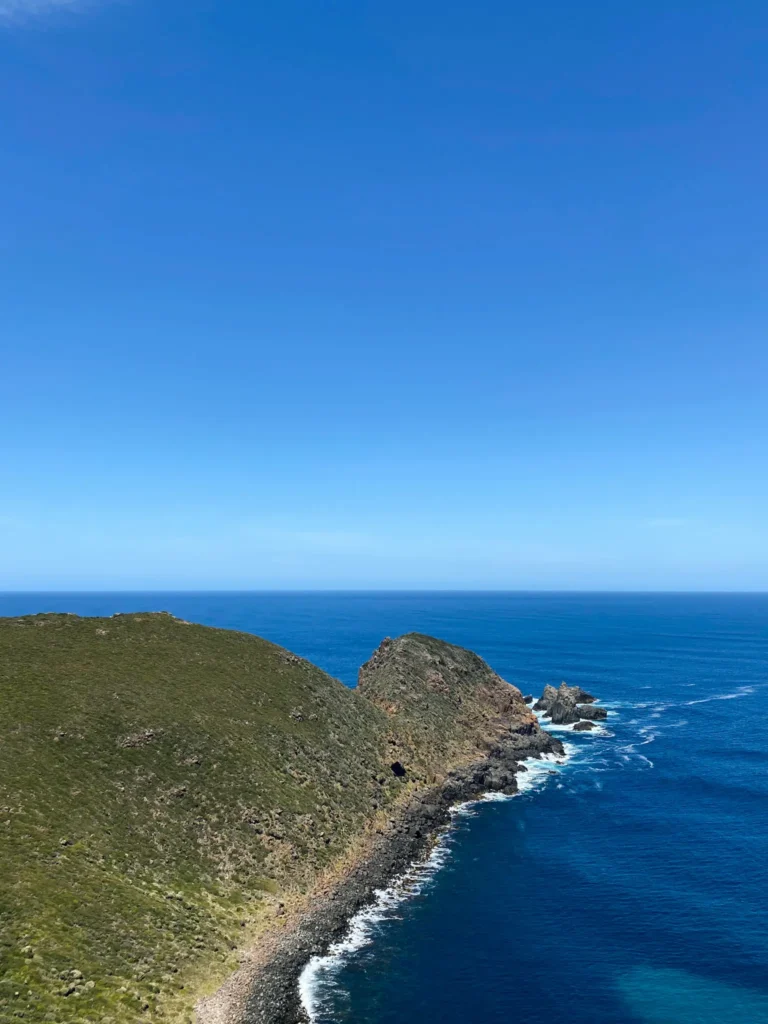
Sleepy Bay is the oceanic part of Freycinet National Park, with huge, several human-sized hollow rocks of marvellous shapes. One can only guess how nature did it.
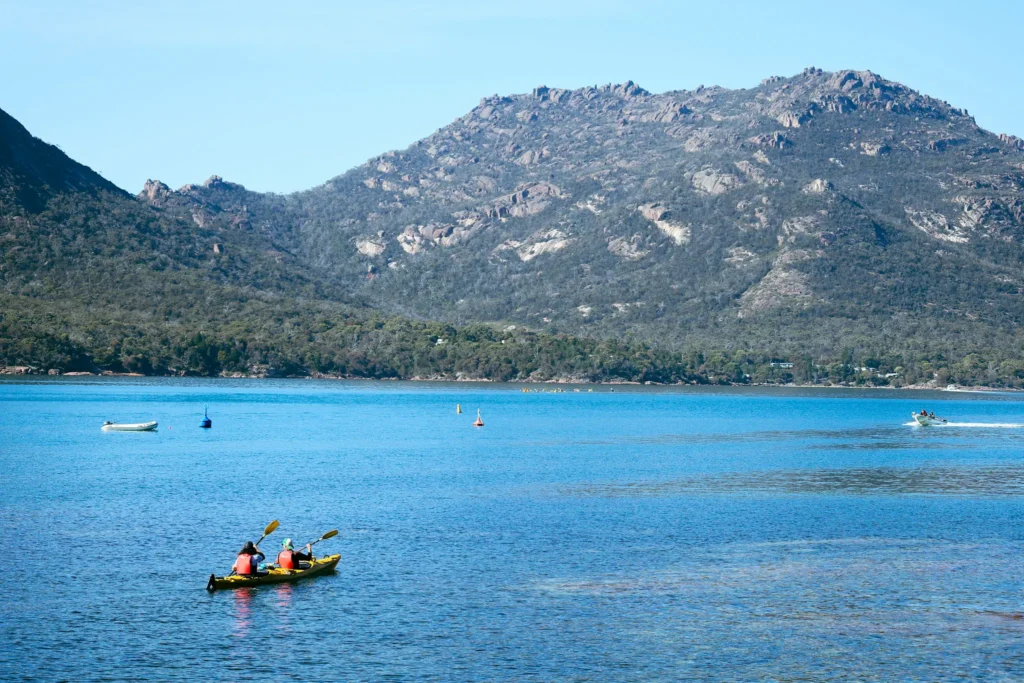
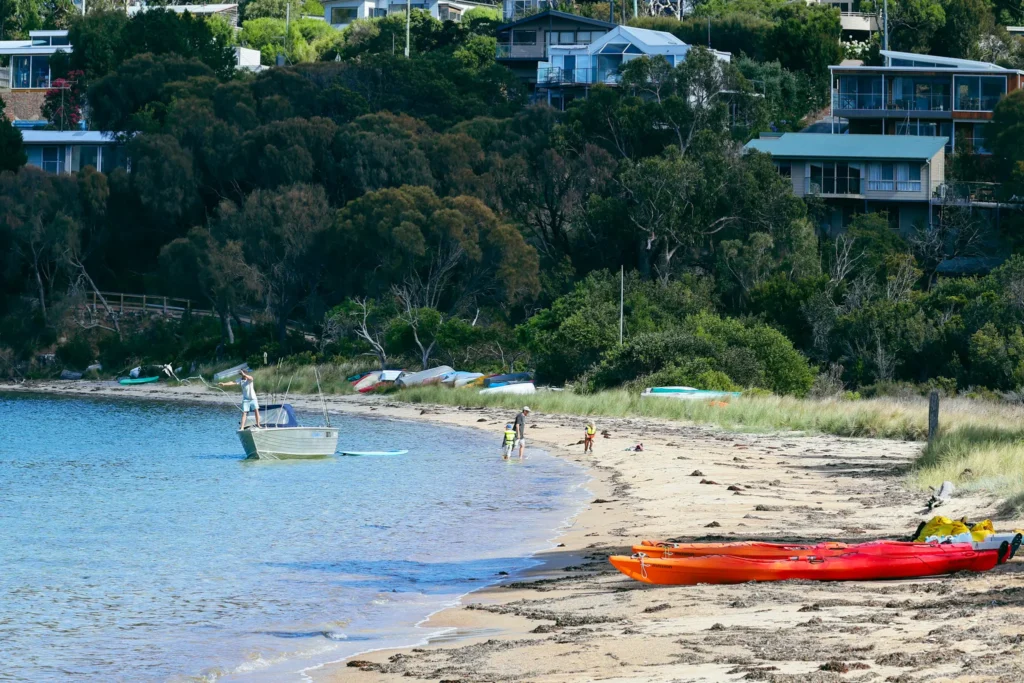
The town of Coles Bay – it’s worth stopping here to explore the neighbourhood of Freycinet Park in more detail. The seafront has cute coffee shops and offers plenty of activity options: you can hire a kayak or sap-surf board, or book a mini-cruise around Wineglass Bay.
Food
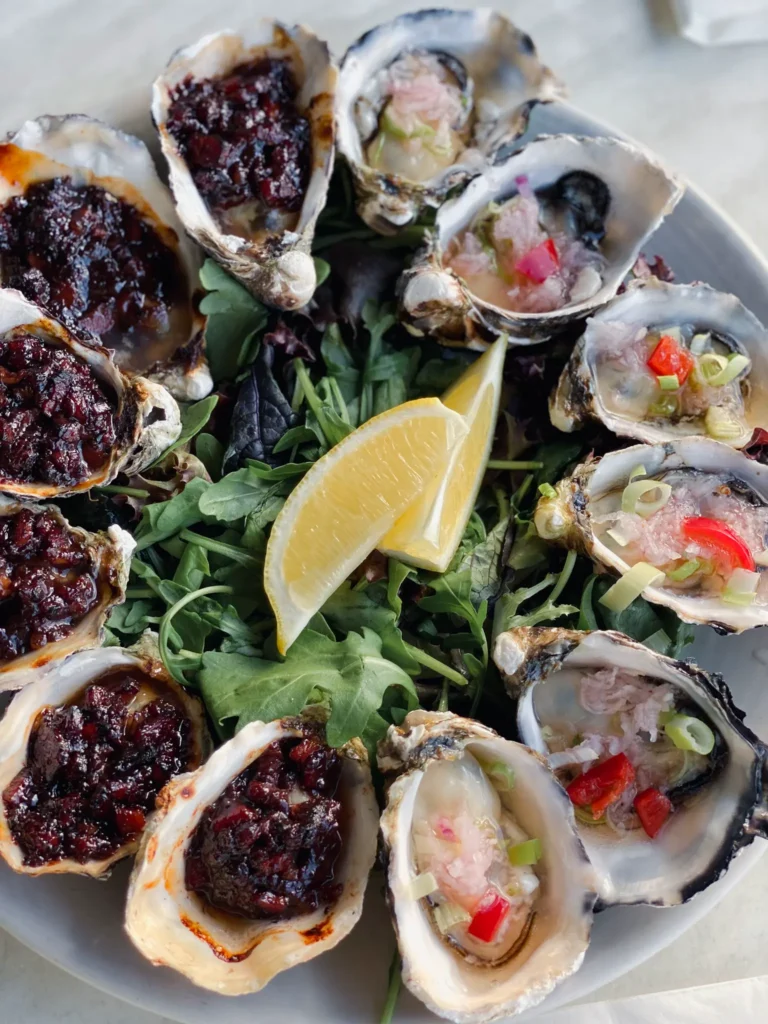
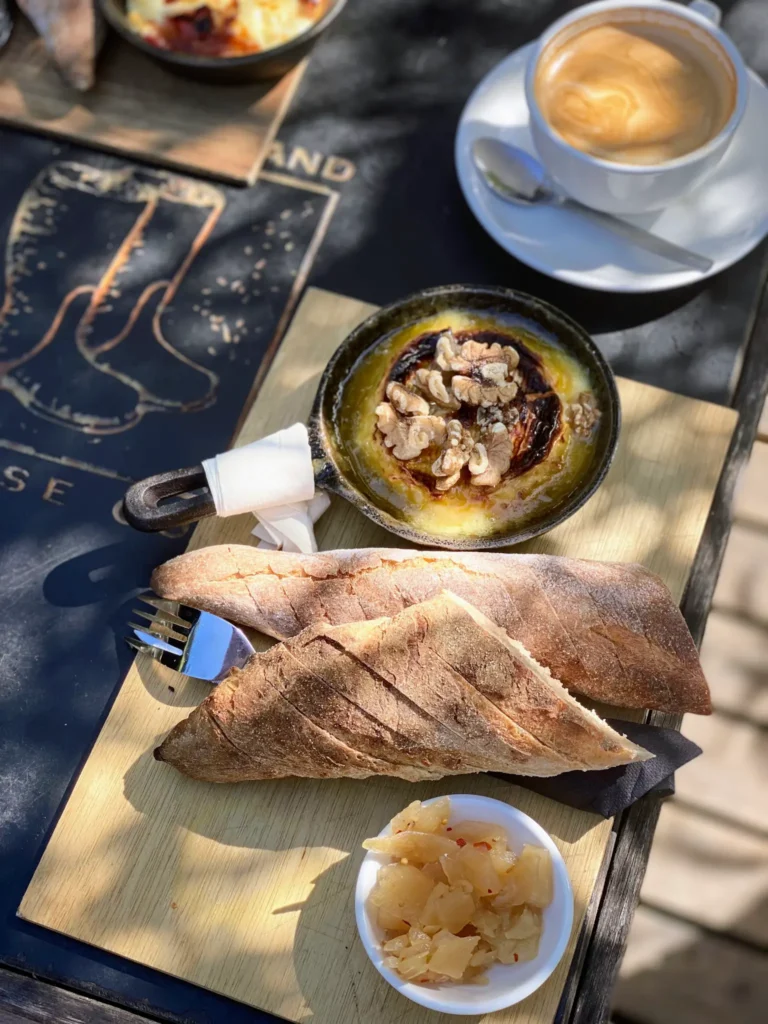

Oysters for breakfast. Tasmania’s south and east coasts are home to two dozen offshore farms that grow some of the best Pacific oysters in the world. Their flavour and reputation are impeccable: all thanks to the unique salinity and temperature of the sea, combined with a ban on any tampering or processing. Oysters are served in markets, restaurants and food trucks, on the coast and in the cities, fresh and in dozens of preparations – it’s impossible to pass by. And you can also sign up for a tasting tour, such as here and here.
Cheese plate overlooking the pasture. The familiar Camembert, Cheddar and Parmesan take on a sweet creamy flavour and the aroma of Tasmania’s herbs and flowers here. All the cheese farms here are organic and the farmers themselves are behind the counters, such as at Pyengana Dairy Company and Bruny Island Cheese Company.
Cheese and oysters to go, sunset on a white-sand beach is planned, all that’s left is to find the perfect wine for the perfect dinner. It may seem unbelievable, but Tasmania with its cold climate is not only full of vineyards, but has developed an entire wine industry with its own regions and appellations. For tasting and shopping, stop by wineries in the north-west, in the Tamar River Valley near Launceston, in the south around Hobart or for Australia’s southernmost wine on Bruny Island.
Honey from plants blooming on the forest edges of the planet’s southernmost latitudes can be sampled here and here, and along the way at farms and local markets such as Salamanca Market in Hobart.
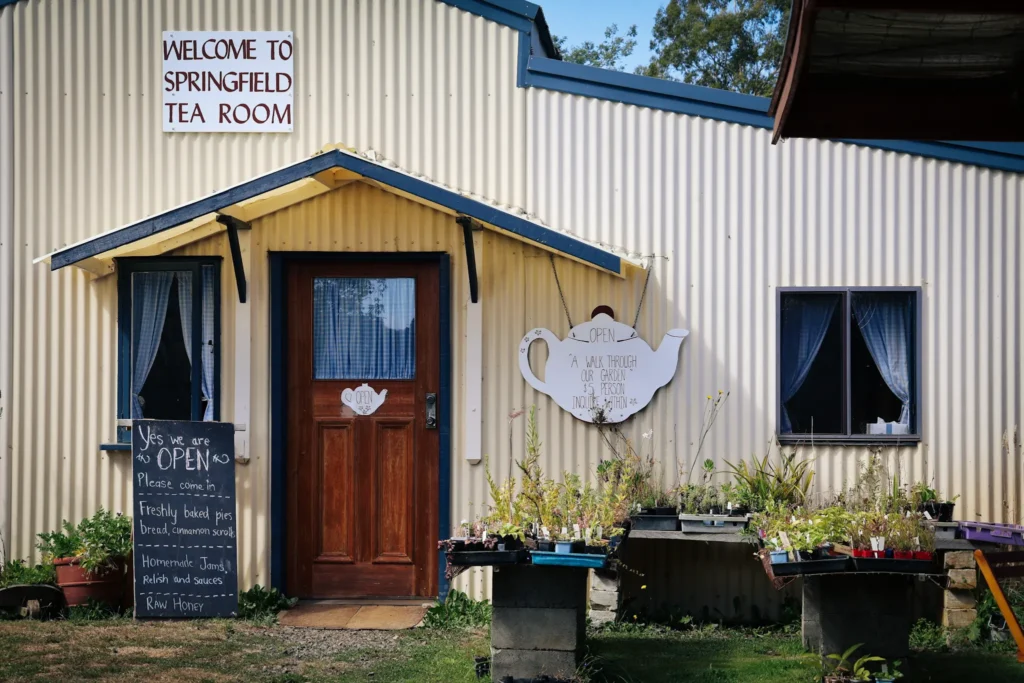
Stop by the Springfield Tea Room for tea and homemade cakes, and the Chocolate Factory (Website / Google Maps) for a sweet breakfast.
For an aperitif with a stroll through a gallery of local paintings in Hobart go to The Henry Jones Art Hotel , for a gin tasting go to LARK Cellar Door, and for a romantic dinner go to Mures Upper Deck.
For a coffee before you hit the road in the Cove of Lights, go to Meresta Eatery. For breakfast in Wineglass Bay, head to Geographe Restaurant and Espresso Bar.
For author’s cuisine in Launceston, go to Cataract on Paterson. For ice cream, check out the Ice Creamery Cafe.
Lifehacks and Tips
Night driving. Unfortunately, it’s very common for animals to be killed on the roads in Tasmania: wallabies, wombats, kangaroos and even Tasmanian devils. With few exceptions, all of these accidents occur during the hours of darkness, as there are many wild animals on the island and all species are active in the evenings and early mornings. You are more likely to see some of Tasmania’s wildlife in a way that keeps everyone safe if you arrive at your accommodation before sunset and walk to the nearest forest or hill. If you have to drive at night, drive as carefully as possible and be prepared to stop at any time.
Biological control. The island has a special biocontrol regime: a full list of prohibited items can be found here. In general, the rule applies to meat and fish products, nuts, seeds, honey, fruit and any plants, as well as dirty shoes (this is not a joke) and other items from which particles of foreign substances can penetrate the soil of Tasmania and harm the fragile ecosystem of the island. When boarding the ferry, your car and personal belongings will be scrutinised by customs officials, and if you arrive by plane, you’ll be greeted from the gangway by the world’s friendliest sanitation service – the wet nose of a golden Labrador. No sausage sandwich will go away.
Cashless. In Australia, it seems everyone will soon forget what cash looks like. Supermarkets will give you change from any note, but at the local market it’s easier to pay with your smartphone, and some small services and farm shops in Tasmania may not have a cash option at all.
Summer is the opposite. The best time to caravan around the island is during the warmer months of the southern summer (roughly November to March). Tasmania is the only place in Australia with regular and long periods of snow, and most mountain roads and country roads within the island are often closed in winter and off-season due to the weather. Winter Tasmania is a completely different world, with no cars, no unplanned turns and no barefoot photo shoots on the Pacific coast.