
South East Queensland is a haven for anglers, particularly those on the hunt for the coveted Red Claw crayfish. The freshwater lakes and dams in this region are prime habitats for Red Claw, making it a sought-after destination for both novice and experienced fishermen. This article unveils the allure of Red Claw fishing, the prime spots in South East Queensland to find these crustaceans, and the essential tidbits on how to catch red claw to ensure a successful catch.
Contents
What is Red Claw?
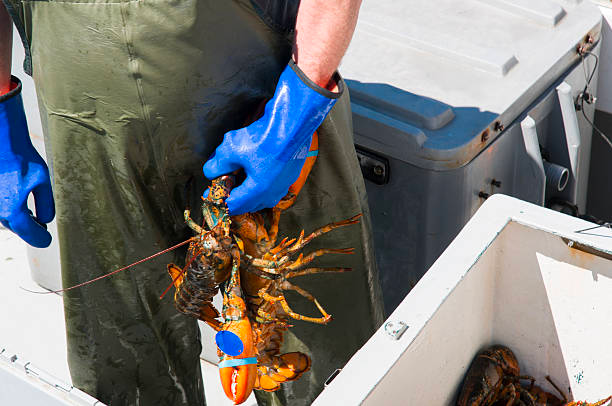
Red Claw crayfish, scientifically known as Cherax quadricarinatus, are akin to miniature lobsters, with their sweet, delicate flesh being a gourmet delight. Originating from the tropical freshwater rivers of Northern Australia, these creatures have found a thriving habitat in the freshwater bodies of South East Queensland. Red Claws are known for their hardy nature and rapid growth rate, making them a popular catch among local fishermen. Once caught, they can be turned into delectable dishes, and some of the best red claw recipes are simple to follow, turning a successful catch into a delightful meal.
Why South East Queensland?
South East Queensland’s diverse freshwater ecosystems provide an excellent habitat for Red Claw. The region’s dams and lakes have the right conditions: warm, slow-moving water with plenty of vegetation for the crayfish to feed on and hide. Furthermore, the local government and fishing communities have embraced the presence of Red Claw, establishing regulations and facilities that foster both sustainable fishing and a thriving Red Claw population. The region has become synonymous with red claw season QLD, attracting anglers far and wide.
Prime Locations for Red Claw
When it comes to catching Red Claw in South East Queensland, certain locations are renowned for their abundant crayfish populations. Here, we delve into three such prime spots:
Somerset Dam
Somerset Dam is a favorite among Red Claw enthusiasts. The dam’s expansive water body with ample hiding spots among the reeds and underwater structures provides an ideal habitat for Red Claw. The clear waters also allow for easy visibility, making it less challenging to spot and catch these elusive creatures. The best time of year to catch red claw here is during the warmer months, where their activity level is at its peak.
Wivenhoe Dam
Just a short drive from Brisbane, Wivenhoe Dam is another hotspot for Red Claw fishing. With its vast stretches of calm freshwater and numerous sheltered inlets, it offers a peaceful retreat for anglers. The local authorities have also set up designated fishing areas, making it a well-organized and accessible location for a Red Claw expedition.
Maroon Dam
Maroon Dam is a lesser-known gem nestled amidst the scenic landscapes of South East Queensland. It’s a quaint, serene spot that promises a tranquil fishing experience. The dense vegetation around the lake provides ample cover for Red Claw, making it a rewarding site for those willing to explore.
| Dam Name | Distance from Brisbane | Noteworthy Features |
|---|---|---|
| Somerset Dam | 115 km | Expansive water body, clear waters |
| Wivenhoe Dam | 80 km | Designated fishing areas, calm waters |
| Maroon Dam | 96 km | Scenic, dense vegetation |
- Accessibility: All three dams are relatively accessible, with good road networks leading to them. They also have designated parking areas, making it convenient for anglers to visit.
- Facilities: These locations have been developed to cater to anglers, with facilities such as picnic areas, restrooms, and in some cases, nearby camping sites for those wishing to extend their fishing expedition.
Best Time to Catch Red Claw
Timing is essential when it comes to fishing for Red Claw in South East Queensland. Understanding the behavioral patterns and seasonal activity of these crustaceans can significantly enhance the chances of a fruitful catch.
Seasonal Variations
The best time of year to catch red claw is during the warmer months, typically from October through March. This period marks the breeding season, during which Red Claws are more active and in abundance. The warmer water temperatures stimulate their metabolism, making them forage more, thus increasing the chances of them taking the bait. However, it’s essential to note that each location may have slightly different peak times, and it’s wise to check local fishing reports for the most accurate information.
Time of the Day
Early morning and late afternoon are often considered the most productive times for Red Claw fishing. During these hours, the water temperatures are cooler, and the Red Claws are more likely to be active and foraging for food. Moreover, these times allow for a more pleasant and less sun-exposed fishing experience, which is particularly beneficial during the scorching summer months.
Equipment and Bait
Having the right gear is crucial for a successful Red Claw fishing expedition. The equipment and bait you choose can significantly impact your ability to attract and catch these elusive crustaceans.
Recommended Gear
- Traps: Red Claw traps, also known as opera house traps, are the most common and effective tools for catching these crustaceans. They are designed to lure Red Claw in with bait and then trap them inside.
- Rope and Floats: A sturdy rope and float are essential for deploying and retrieving your traps. Ensure the rope is long enough to reach the bottom of the water body, and the floats are visible for easy retrieval.
Effective Bait Options
Various baits can be used to attract Red Claw, but some have proven to be more effective than others. Commonly used baits include fish carcasses, freshwater mussels, and vegetable scraps. It’s also worthwhile to experiment with different baits to discover what works best in your chosen fishing location.
Licenses and Regulations
Adherence to local laws and regulations is crucial to ensure a sustainable and lawful fishing experience.
Obtaining a Fishing Permit
Before heading out, ensure you have a valid fishing permit. The permits are easy to obtain online or at local fishing shops. They are necessary for controlling fishing activities and contributing to the preservation and sustainability of the Red Claw population.
Adhering to Size and Bag Limits
Respecting size and bag limits is essential for maintaining a healthy Red Claw population. These regulations ensure that the crayfish have a chance to breed and replenish their numbers.
Tips and Tricks
Locating the Best Spots
Researching and locating the best spots is half the battle when it comes to Red Claw fishing. Look for areas with plenty of vegetation, as Red Claw crayfish prefer to stay close to cover. Also, consider talking to local anglers or joining fishing forums to get insider tips on the best spots.
Techniques for a Successful Catch
Patience and observation are key. Monitor your traps regularly, but without disturbing the area too much. Over time, you’ll learn to read the water and understand the habits of Red Claw, improving your success rate with each outing.
Conclusion
Catching Red Claw in South East Queensland can be an exciting and rewarding experience. With the right knowledge on prime locations, timing, and equipment, coupled with adherence to local regulations, you can enjoy a fruitful Red Claw fishing expedition.
FAQs
What is the size limit for Red Claw in South East Queensland?
- The legal size limit for Red Claw is 11.5 cm measured from the rear of the eye socket to the rear of the carapace.
How many Red Claw can I catch in a day?
- The bag limit is 40 Red Claw per person per day.
Do I need a special license to catch Red Claw?
- Yes, a fishing permit is required to catch Red Claw in South East Queensland.
What is the best bait for catching Red Claw?
- Common baits include fish carcasses, freshwater mussels, and vegetable scraps. However, the effectiveness of bait may vary, so it’s worthwhile to experiment.
Can I camp overnight at the fishing locations?
- Some locations like Somerset Dam and Wivenhoe Dam have nearby camping facilities, allowing anglers to extend their fishing expedition.